Warning! Web API Url is not set for the Speaker Bios.
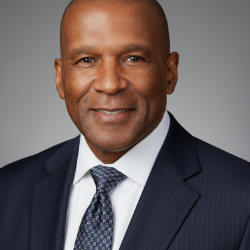 Chris Adams, CEO, Andarix Pharmaceuticals
CEO
Andarix PharmaceuticalsChristopher P. Adams is a seasoned life sciences entrepreneur and CEO with over 25 years of experience founding and leading biotechnology, medical device, and pharmaceutical companies. Based in the Massachusetts innovation hub, he has been instrumental in the end-to-end development and commercialization of proprietary technologies that address significant unmet medical needs.
Throughout his career, Mr. Adams has founded a diverse portfolio of ventures, including an MIT spin-out genomics company focused on patented genetic analysis and a pharmaceutical firm developing novel therapeutics for obesity, diabetes, and hypertension. A prolific innovator, he is the inventor of more than 20 issued US and international patents spanning the ocular, oncologic, and metabolic spaces.
To date, the technologies developed under his leadership have directly improved the lives of more than 5 million patients worldwide. Mr. Adams continues to drive clinical and regulatory strategy for next-generation oncologic therapies and orphan drug candidates
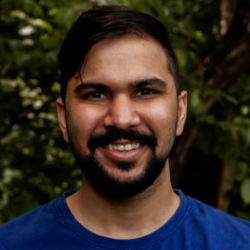 Devesh Aggarwal, Senior Scientist, Biologics Engineering, AstraZeneca
Senior Scientist
AstraZenecaDevesh Aggarwal is a senior scientist at AstraZeneca (Gaithersburg, MD) focused on end-to-end design, bioconjugation, and analytical characterization of antibody–drug conjugates (ADCs) along with developing novel conjugation technologies and integrating high-throughput conjugation. He brings years of experience spanning ADC bioconjugation and molecular pharmacology, from method development to deep analytical profiling using modern techniques. Previously at Purdue University and the Indian Institute of Technology, he contributed to translational enzymology and chemical biology with publications in the Journal of Medicinal Chemistry, the Journal of Clinical Investigation, Molecules, and Microorganisms.
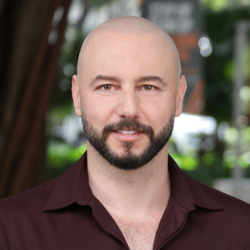 Hassan Al-Ali, PhD, Associate Professor, Neurosurgery & Medicine, University of Miami Miller School of Medicine
Associate Professor
University of MiamiDr. Hassan A. Ali is a tenured Associate Professor at the University of Miami Miller School of Medicine and Director of the Drug Discovery Core at the Miami Project to Cure Paralysis. He is affiliated with the Katz Family Drug Discovery Center, Sylvester Comprehensive Cancer Center, and the Frost Institute for Data Science and Computing. He builds integrated platforms combining phenotypic screening, biochemical profiling, robotics, computer vision, and machine learning to accelerate target deconvolution and mechanism-of-action elucidation. His lab applies these approaches across neurology, oncology, and nephrology to advance therapeutic programs toward the clinic, including TMP-316, a spinal cord injury candidate in IND-enabling development.
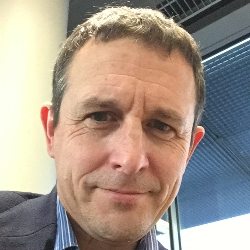 Alexander Alanine, PhD, Senior Vice President, Head of Chemistry, TRIMTECH Therapeutics Limited
SVP, Head of Chemistry
TRIMTECH Therapeutics LimitedAlex Alanine is a highly experienced leader with 30 years' success in pharma and biotech in overseeing delivery of multiple CNS development candidates from hit ID to clinical stage studies. Previous roles include COO, R&D head of Nanna therapeutics, Whilst at Roche Alex held a number of senior roles including: SVP external innovation, founded and headed Chemistry technologies & Innovation, global head of CNS med. chem. (AD, psych, pain), founded and headed hit-to-lead across therapy areas applying MPO.
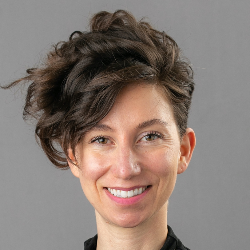 Lauren Albrecht, PhD, Assistant Professor, Department of Pharmaceutical Sciences, University of California Irvine
Assistant Professor
University of California IrvineLauren V. Albrecht, PhD, is an Assistant Professor of Pharmaceutical Sciences at the University of California, Irvine. Her research focuses on proteostasis and cellular quality control, with an emphasis on lysosomal degradation pathways and arginine methylation. Her lab has uncovered fundamental mechanisms linking methylation to lysosomal proteolysis and developed innovative therapeutic strategies, including methylarginine-targeting chimeras (MrTACs) for targeted protein degradation.
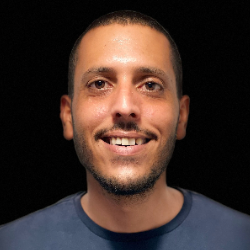 Itay Algov, PhD, Research Fellow, Cancer Biology, Dana Farber Cancer Institute
Research Fellow
Dana Farber Cancer InstituteI received my PhD in Life Sciences and Bioelectrochemistry from Ben-Gurion University of the Negev, under the supervision of Prof. Lital Alfonta, where I used synthetic biology tools to study electron transfer between enzymes and electrodes. I am currently a postdoctoral fellow in Prof. Xin Zhou’s lab at Dana-Farber Cancer Institute and Harvard Medical School, developing new approaches to profile protease substrate preferences in cancer tissue samples, with the goal of enabling more precise disease diagnosis and targeted treatment.
 Muhammad Shahzad Ali, Asst. Director, LifeSensors Inc
Asst. Director
LifeSensors IncImmunoassay and bioassay scientist with over 10 years of industry, biotech, and academic research experience developing and validating cell-based bioassays, ELISA/MSD binding assays, and TUBE-based immunoassays used for potency, mechanism-of-action, and structure-function characterization of biologics and targeted protein degraders (PROTACs/molecular glues). Assistant Director of R&D at LifeSensors, Inc., leading a 20-person multidisciplinary team through method development, qualification, validation, and technology evaluation, while directing regulatory documentation, protocol/report authoring, and cross-functional collaboration with Discovery, Quality, and CRO partners.
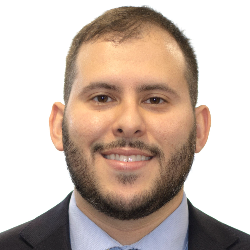 Angelo Andres, PhD, Associate Principal Scientist, Chemical Biology, AstraZeneca
Associate Principal Scientist
AstraZenecaAngelo Andres is an Associate Principal Scientist within the Chemical Biology & Proteomics group at AstraZeneca. Before embarking on his scientific journey he served in the GWOT with the U.S. Army. He then earned a PhD in Medicinal Chemistry from The University of Kansas where he specialized in the development of cellular probes and assays to study live cell target engagement by small molecules. At AstraZeneca he collaborates across functions to develop lysosomal degradation modalities, generate synthetic probes to facilitate lead generation, and applies proteomics to support drug discovery programs across multiple therapeutic modalities spanning small molecules, degraders, and cell therapies.
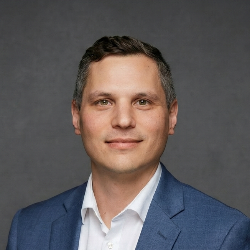 John Androsavich, PhD, GM, Datapoints, Ginkgo BioWorks Inc
GM
Ginkgo BioWorks IncDr. John R. Androsavich is the General Manager of Datapoints at Ginkgo Bioworks, where he leads a "Bio-AI Infrastructure" business focused on generating high-quality transcriptomic, ADME, and developability datasets to train machine learning models for drug discovery and target identification. With over 15 years of experience in genetic medicines, Dr. Androsavich has contributed to six clinical candidates and led multiple programs from target discovery through IND-enabling studies. Notably, he originated the target strategy for Farabursen (anti-miR-17), a therapeutic for ADPKD currently entering Phase 3 trials. Prior to Ginkgo, he served as Global Head of Emerging Science for RNA Medicine at Pfizer and held R&D leadership roles at Translate Bio and Regulus Therapeutics, specializing in mRNA and oligonucleotide platforms. He earned his Ph.D. in Chemical Biology from the University of Michigan.
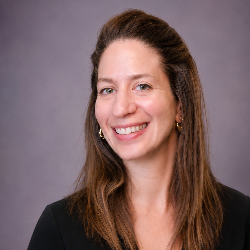 Gali Arad, PhD, VP of Product, Protai Bio Ltd.
VP Product
Protai Bio LtdGali Arad is the VP of Product and first employee at Protai. Drawing on an interdisciplinary background rooted in computational biology and cancer research, she has dedicated her career to bridging distinct scientific disciplines to drive medical innovation. Her core scientific expertise in proteomics has fueled years of impactful work in translational research and biomarker discovery. Today, Gali leverages this diverse toolkit to apply proteomics toward unlocking next-generation therapeutic opportunities in induced proximity modalities.
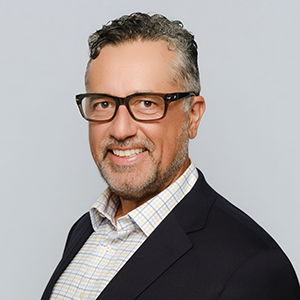 Jamshid Arjomand, PhD, Director, Neuroscience & Business Development, BullFrog AI
Director, Neuroscience & Business Development
Bullfrog AIJamshid is a neuroscientist with over 20 years of experience in driving therapeutic innovation through strategic R&D and collaborative partnerships, particularly in the rare disease space. Specializing in neurodegenerative and neuromuscular disorders, he bring a unique blend of scientific expertise, business development, and leadership skills to advance the development of therapeutic solutions for patients.
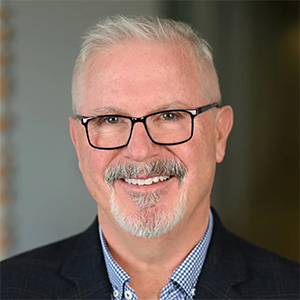 John Babich, PhD, Co-Founder & CSO, Ratio Therapeutics
Co-Founder & CSO
Ratio TherapeuticsJohn Babich is the Co-Founder, President, and Chief Scientific Officer of Ratio Therapeutics, Inc. He previously worked at Weill Cornell Medical College as a Professor and Chief of Radiopharmaceutical Sciences in Radiology. John obtained his PhD from the University of London.
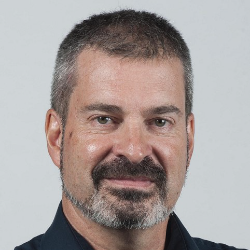 Jordi Bach, PhD, Principal Scientist, Small Molecules Discovery & Dev, Almirall SA
Principal Scientist
Almirall SAJordi Bach is a Principal Scientist in the Small Molecules Discovery & Development Department at Almirall. A synthetic organic chemist by training, he obtained his PhD from the University of Barcelona in 1997 and subsequently carried out postdoctoral research at the University of Cambridge (UK).
Since joining Almirall in 1999, he has led multiple drug discovery programs in the autoimmune, respiratory, and dermatological therapeutic areas, several of which have progressed to development candidates. He has extensive experience in both industrial and academic collaborations. Dr. Bach has a strong track record of peer-reviewed publications, patent inventorship, and presentations at international conferences.
 Simon Bailey, PhD, MBA, COO and President, R&D, Unnatural Products, Inc.
COO and President
Unnatural Products, Inc.Simon is Chief Operating Officer and President of R&D at Unnatural Products (UNP), a macrocyclic peptide drug discovery company. Simon joined UNP in 2024, bringing over 25 years’ experience of drug discovery and early development experience in oncology and metabolic disease in big pharma, and public and private biotech companies.
Simon joined UNP from Plexium where he was EVP Drug Discovery and led the company’s science and technology groups to identify novel molecular glue protein degrader drugs. Prior positions included SVP, Head of Research for Intercept Pharmaceuticals, leading the company’s programs in NASH/MASH from inception through Phase 1. Earlier in his career, Simon was a medicinal chemist at Pfizer, where he led the Diabetes and Oncology Medicinal Chemistry Departments. Simon holds a PhD in synthetic organic chemistry from the University of Manchester and an MBA from UC San Diego’s Rady School of Management. He is a 2021 recipient of the American Chemical Society’s Hero of Chemistry award for his leadership role in the discovery of Lorbrena™ a macrocyclic inhibitor of mutant ALK kinase for the treatment of NSCLC.
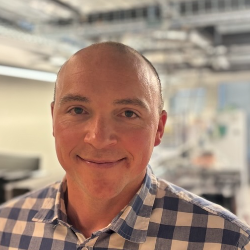 Doug Baumann
Senior Principal Scientist
Dewpoint TherapeuticsDoug Baumann, PhD, is a Senior Principal Scientist at Dewpoint Therapeutics and translational lead for DPTX3186, a clinical-stage beta-catenin program targeting one of oncology's most challenging transcriptional drivers. His experience spans early discovery through IND-enabling studies and clinical development, giving him a practical view of what it takes to carry a molecule from hit to patient. Partnering with chemistry and chemical biology, Doug has led and contributed to target deconvolution for multiple condensate-modulating compounds whose mechanisms were unknown at the outset, a central challenge in phenotypic drug discovery. Driven by an interest in signaling crosstalk and transcriptional regulation, he has also contributed to Dewpoint's MYC program. Doug earned his Ph.D. in Biochemistry and Molecular Biology at Penn State and completed postdoctoral training at the University of Virginia School of Medicine, where he used high-throughput phenotypic screening to uncover mechanisms of resistance to targeted therapies in tumor cells.
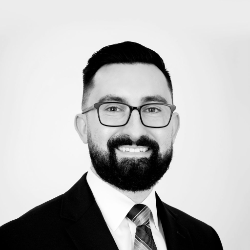 Todd Bayne, JD, Attorney, Intellectual Property, Medler Ferro Woodhouse & Mills PLLC
Attorney
Medler Ferro Woodhouse & Mills PLLCTodd Bayne Jr. is an Associate Attorney with Medler Ferro Woodhouse and Mills based in Northern Virginia, and focuses on preparing and prosecuting U.S. and foreign patent applications in the areas of software, artificial intelligence/machine learning, mechanical, medical, and electrical devices. Mr. Bayne has experience counseling and assisting clients with strategic patent, trademark, and copyright planning, due diligence issues, freedom-to-operate issues, and patent litigation, as well as validity, infringement, and patentability opinions.
 Daniel Bedinger, Director of Application Science, Application Science, Carterra Inc
Director of Application Science
Carterra IncDaniel Bedinger was instrumental in the launch of Carterra’s LSA platform, perfecting technology, applications and methods and now leads the company’s global Application Science team. He has over two decades of experience in the generation and characterization of therapeutic monoclonal antibodies—most notably at Xoma and Abgenix. Daniel earned his Ph.D. from UC Davis in Cellular and Molecular Physiology.
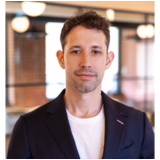 Liran Belenzon, CEO, BenchSci
CEO
BenchSciCEO & Co-Founder, BenchSci
Liran Belenzon is the Co-founder and CEO of BenchSci, a platform focused on improving drug discovery through artificial intelligence. Founded in 2015, BenchSci’s ASCEND platform aims to address the challenges of productivity in the pharmaceutical industry. The company has rapidly expanded from its original four co-founders to a team of 250 employees, raising more than $200 million from prominent investors. BenchSci collaborates with 9 of the top 10 pharmaceutical companies, over 4,500 academic institutions, and more than 50,000 scientists.
Before founding BenchSci, Belenzon achieved his commerce and law degrees and sold his first startup. He then immigrated to Canada to pursue an MBA at the Rotman School of Management at the University of Toronto. During his time at Rotman, he participated in the Creative Destruction Lab, where he connected with three fellow PhD students who shared his vision for leveraging AI to enhance drug discovery. As CEO, Belenzon is dedicated to making a positive impact on the world through the advancement of life-saving research.
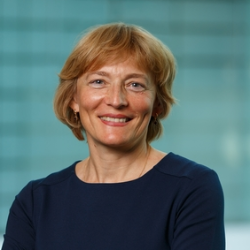 Svetlana Belyanskaya, PhD, Co-Founder, DEL Source; former DEL Platform Manager, GSK; Vice President, Biology, Anagenex
Co-founder
DEL SourceDr. Svetlana Belyanskaya is an expert in small molecule drug discovery and a globally recognized leader in DNA-Encoded Library (DEL) technology. With over two decades of hands-on experience, she played a key role in the discovery of the first DEL-derived compound to advance into clinical trials—a landmark achievement that helped validate the platform’s potential.
Dr. Belyanskaya has been at the forefront of DEL innovation since its inception, driving platform development and hit discovery strategies at pioneering organizations such as Praecis Pharmaceuticals, GlaxoSmithKline (GSK), and Anagenex Inc. Her work integrates deep expertise in DEL screening, assay design, and early-stage drug development, bringing together scientific precision and strategic insight.
A passionate advocate for the DEL community, she is a frequent speaker at international conferences, the author of numerous publications, and an instructor of specialized courses on DEL applications in modern drug discovery. She also serves as a strategic advisor to emerging biotech companies leveraging DEL technologies.
Dr. Belyanskaya previously held senior scientific leadership roles at GSK and served as Vice President of Biology at Anagenex. She is currently the co-founder and executive leader at DEL Source Inc., where she continues to advance the field and shape the future of drug discovery. (LinkedIn).
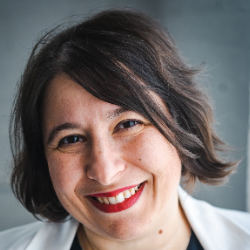 Yamina A. Berchiche, PhD, Founder, Dr. GPCR
Founder
Dr. GPCRDr. Yamina Berchiche is the founder of Yamina’s Consulting Corner, where she advises biotech companies, investors, and CROs on GPCR pharmacology strategies and data-driven program decisions. Her work draws on over two decades of experience spanning both academia and industry.
As Senior Director of Biology at Superluminal Medicines, she was instrumental in building the company’s internal biology function and contributed to a successful $120M Series A financing.
Prior to her industry career, Dr. Berchiche earned her Ph.D. in biochemistry and completed postdoctoral research at institutions including Rockefeller University. Her academic work focused on G protein-coupled receptors (GPCRs), studying chemokine receptor signaling, biased agonism, and receptor conformational changes. Her research has been published in prominent journals like Science and Molecular Pharmacology.
Dr. Berchiche is also a key figure in the broader GPCR community. She is the founder of the Dr. GPCR Ecosystem, a global non-profit platform that connects scientists, biotech leaders, and CROs. Under her leadership, the platform has grown to over 1,300 members, hosted more than 24 scientific events, and established partnerships with 8 organizations. She also hosts the Dr. GPCR Podcast, having recorded over 180 episodes that amplify voices across the field.
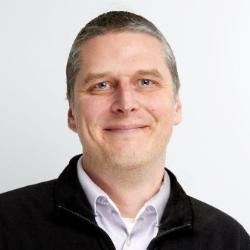 Olivier Bezy, PhD, Vice President and Head of Biology, Cellarity
VP and Head of Biology
CellarityOlivier Bezy serves as Head of Biology at Cellarity. He joined Cellarity n 2020 following a long tenure at Pfizer as a senior principal scientist and laboratory head, where he was responsible for development of early research projects to create confidence in rational and high-quality potential clinical assets. He completed his postdoctoral fellowship at the Joslin Diabetes Center at Harvard University. He received PhD and MS degrees in pharmacology, cellular and molecular biology from Universite Nice-Sophia Antipolis, France.
 Shruthi Bharadwaj, PhD, Executive Director, AI Drug Discovery Analytics, Revolution Medicines
Executive Director
Revolution MedicinesDr. Bharadwaj is Executive Director, Drug Discovery Analytics at Revolution Medicines, where she is building and leading a new AI/ML team to advance the company’s RAS(ON) inhibitor platform, including its work on daraxonrasib, zoldonrasib, and elironrasib. In this role, she is embedding AI across target identification, molecule design, and translational research to accelerate discovery against RAS-driven cancers — one of oncology’s most historically challenging targets.
She brings prior experience leading enterprise AI adoption at Novartis, Sanofi, and Biogen, along with a background at MIT Lincoln Laboratory. She also founded Prevara, a startup supporting preconception health, and mentors emerging talent through Women in AI and Nucleate.
 Sangeeta N. Bhatia, Professor & Director, Marble Center for Cancer Nanomedicine, Health Sciences & Technology, Massachusetts Institute of Technology
Professor, Director Marble Center for Cancer Nanomedicine
Massachusetts Institute of TechnologySangeeta Bhatia earned her BS at Brown University, followed by an MS in Mechanical Engineering at MIT, a PhD in Biomedical Engineering at the Harvard-MIT Division of Health Sciences and Technology, and an MD at Harvard Medical School. Prior to her appointment at MIT, Bhatia held a tenured position at UCSD. She and her trainees have launched multiple biotechnology companies to improve human health. As a prolific inventor and passionate advocate for diversity in science and engineering, Bhatia has received many honors including the Lemelson-MIT Prize, known as the “Oscar for inventors,†and the Heinz Medal for groundbreaking inventions and advocacy for women in STEM fields. She is a Howard Hughes Medical Institute Investigator, Director of the Marble Center for Cancer Nanomedicine at the Koch Institute for Integrative Cancer Research at MIT, and an elected member of the National Academy of Sciences, the National Academy of Engineering, the National Academy of Medicine, the American Academy of Arts and Science, the National Academy of Inventors, and Brown University's Board of Fellows.
Bhatia is a board member of Brown University, Vertex Pharmaceuticals,* Port Therapeutics,* Ropirio Therapeutics.* She has an advisory role with Global Oncology Inc., Sunbird BIO,* Satellite Bio,* Matrisome Bio,* Xilio Therapeutics, Danaher, Ochre Bio,* Amplifyer Bio,* Earli Inc.,* Brigham Research Institute/Brigham and Women’s Hospital, and Impilo Therapeutics.
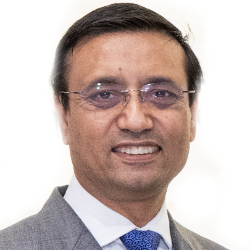 Neil A. Bhowmick, CSO, Kairos Pharma Ltd.
CSO
Kairos Pharma LtdNeil Bhowmick, PhD, is the Chief Scientific Officer for Kairos Pharma and serves as the Mark Goodson Chair in Oncology Research and Professor, Department of Medicine at Cedars-Sinai Medical Center in Los Angeles, CA. His studies in tumor-host interactions and mechanisms of drug resistance have been cited over 18,000 times and led to the development of interventions under preclinical and clinical testing for multiple cancer types.
 Surge Biswas, PhD, Founder & CEO, Nabla Bio, Inc.
Founder & CEO
Nabla Bio IncSurge is a co-founder and the CEO at Nabla Bio, an antibody design company. Surge received his PhD from George Church’s lab. There, he and his colleagues pioneered the development of protein language modeling, a technology that has been central to state-of-the-art protein structure prediction and machine learning-guided protein design. Outside of Nabla, Surge enjoys hanging out with his wife and Nabla co-founder, Frances, and their two dogs, Archie and Riley.
 Nicholas Bland, Domainex
DomainexNick Bland is a Group Leader at Domainex, a UK-based drug discovery company specializing in the delivery of innovative preclinical research solutions for the pharmaceutical and biotechnology sectors. With more than twenty years of experience spanning both academia and contract research organizations (CROs), Nick leads multidisciplinary drug discovery teams, working across a broad range of therapeutic areas. Nick joined Domainex in 2020 where he oversees drug discovery programmes from hit identification through lead optimization. His expertise encompasses everything form cell biology to biophysics, although his specialty is biochemistry and enzymology. Nick has contributed to the advancement of multiple therapeutic programmes into the clinic and is enthusiastic about applying innovative scientific approaches to accelerate the discovery of next-generation medicines.
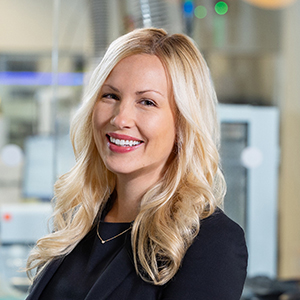 Ann Boija, PhD, CSO, Dewpoint Therapeutics
CSO
Dewpoint TherapeuticsAnn leads the Research team at Dewpoint focusing on advancing condensate science into breakthrough medicines for patients. Ann has longstanding expertise in gene control and condensate biology. Throughout her career she has focused on novel biomedical science that can be translated into medicine to alter the course of disease and improve human health.
Ann has a master’s degree in Biomedical Sciences from Umeå University and a PhD in Biology from Stockholm University, Sweden. She did her postdoctoral training at the Whitehead Institute of the Massachusetts Institute of Technology (MIT). During her time at MIT, she led pioneering research focused on the role of condensates in gene control and cancer therapeutic drug activity.
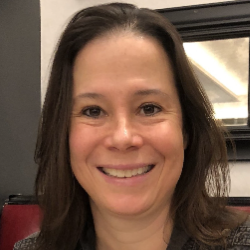 Kris A. Borzilleri, Principal Scientist, Structural Biology & Molecular Sciences, Pfizer Global R&D, Groton Labs
Principal Scientist
Pfizer Global R&D Groton Labs25+ years of experience within Pfizer Research and Development focusing on target-ligand interactions using a variety of biophysical techniques. The earlier part of my career was spent was largely focused on protein NMR techniques to solve protein structures and evaluate ligand binding. In an effort to provide greater impacts, my efforts turned towards a variety of biosensing techniques (SPR, BLI, SPRm) to access binding interactions for targets across the Pfizer portfolio. With recent technology development, I have been able to apply these biophysical techniques to membrane proteins in the whole cell environment as well as in membrane preparations.
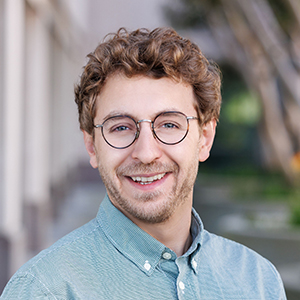 Alexandre Bouyssou, PhD, Postdoctoral Fellow, Biochemical and Cellular Pharmacology, Genentech
Postdoctoral Fellow
GenentechAlexandre Bouyssou, PhD, is a postdoctoral fellow in the Department of Biochemical and Cellular Pharmacology at Genentech, where he studies G protein-coupled receptors (GPCRs) with an emphasis on molecular pharmacology, structure-function relationships, and the spatiotemporal regulation of signaling. His research integrates biochemical, cellular, structural, and computational approaches to better understand GPCR function in physiologically relevant settings.
He received his PhD in molecular pharmacology, biochemistry, and neuroscience from the University of Montpellier, where he studied mechanisms of G protein activation, G protein state equilibria, and developed tools to investigate native GPCR signaling. At Genentech, his recent work has contributed to a better understanding of chemokine receptor signaling, particularly CXCR3, with a focus on how ligand-dependent receptor conformations influence signaling specificity and functional outcomes.
His current research interests include GPCR molecular pharmacology, molecular dynamics, biased signaling, and the spatial and temporal regulation of receptor function.
 Anthony Bradley, D.Phil, Assistant Professor, Department of Chemistry, University of Liverpool
Assistant Professor
University of LiverpoolDr. Bradley is a multi-disciplinary scientist in computer-aided compound design using structural data. He completed a first-class MChem in Chemistry from the University of Oxford in 2010. He carried out an interdisciplinary DPhil also at the University of Oxford on the SABS-IDC programme. During this he developed computational tools (OOMMPPAA and WONKA) for structure-based drug design—working with the SGC Oxford and GlaxoSmithKline. Subsequent to his DPhil, he carried out a postdoc at the RCSB PDB (UC San Diego) where he worked on novel compression algorithms for macromolecules, including the MMTF file format. He then worked as a Project Leader with the Oxford Chemistry department, Diamond Light Source, and the SGC Oxford on the XChem project (high-throughput X-ray screening of fragments). Here he generated tools and future funding for fragment-based compound optimisation leveraging the XChem platform. From 2018 to 2024, he worked at Exscientia, where he developed their physics-based drug discovery platform. Now he leads an academic group at the University of Liverpool where his interests lie in using computation and automation to accelerate drug design.
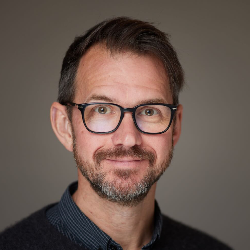 Paul Brennan, PhD, Professor, Nuffield Department of Medicine, University of Oxford
Professor
University of OxfordPaul Brennan received his PhD in organic chemistry from UC Berkeley. Following post-doctoral research at Cambridge University, Paul spent eight years working in the pharmaceutical industry at Amgen and Pfizer. After leaving Pfizer in 2011, Paul joined the Structural Genomics Consortium at the University of Oxford and led the chemical probes discovery effort on epigenetic targets. After leaving the SGC in 2019, Paul was Head of Chemistry and then Chief Scientific Officer of the Alzheimer’s Research UK Oxford Drug Discovery Institute where his research was focused on finding new treatments for dementia. In addition to dementia, over the course of his career, Paul has worked on discovering new medicines for cancer, incontinence, pain, rare diseases, and inflammation. Paul is currently Professor of Medicinal Chemistry and Director of the Centre for Medicines Discovery at the University of Oxford and a scientific advisor to the biotech and pharmaceutical industries. His research centre is focused on early medicines discovery for poorly treated diseases.
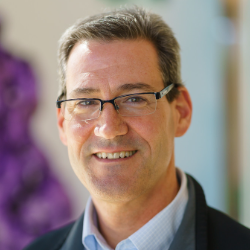 Jonathan Brooks, Principal Scientist, Inflammation & Remodeling, Pfizer Inc.
Principal Scientist
Pfizer IncJonathan began his career at Genetics Institute in 1990 developing immunoassays for use in pharmacokinetics and process development. Jon has over 30 years of experience in label free analysis of receptor ligand interactions and small molecule target binding associated with several respiratory and inflammatory disease areas. Currently, he is a principal scientist in the inflammation and Immunology drug discovery research unit at Pfizer in Cambridge Massachusetts. His current focus is on-cell target interaction analysis using SPRm.
Jon received his MS in Biology from Harvard University.
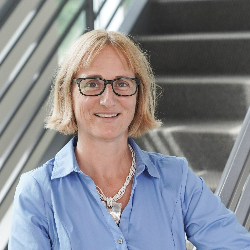 Florence Brunel, PhD, Senior Principal Scientist, Novo Nordisk Inc.
Senior Principal Scientist
Novo NordiskFlorence was born and raised in France. She obtained a MS from the Ecole Nationale Superieure de Chimie de Montpellier, and then moved to the US. She obtained her Ph.D. with Prof. Arno Spatola at the University of Louisville, where her love of and career in peptides started. She then moved to San Diego to pursue her postdoctoral training with Dr. Phil Dawson at Scripps Research where she continued working with peptides while learning new methodologies such as chemical ligation. Florence then took her interest in turning peptides into drugs to the biotech and pharmaceutical industry at companies like Amylin Pharmaceuticals, Pfizer/CovX and Vertex Pharmaceuticals. Florence is now an employee of Novo Nordisk where her role has evolved into project management of internal projects and external collaborations, as well as identifying new technologies to meet Novo Nordisk’s strategy. Florence remains very active in the peptide community as an elected council member for the American Peptide Society, a board member for TIDES and the elected chair of the 2026 Chemistry and Biology of Peptides Gordon Research Conference.
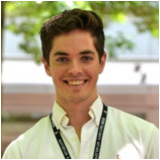 Mitchell Buckley, Head of Partnerships and Technical Marketing, Collaborative Drug Discovery Inc
Head of Partnerships and Technical Marketing
Collaborative Drug Discovery IncMitchell spent 3.5 years as a medicinal chemist researching and developing central nervous system drug candidates for neurodegenerative diseases in the Lab for Drug Discovery in Neurodegeneration at Brigham and Women’s Hospital/Harvard Medical School. Following, Mitchell served as co-founder and Chief Technology Officer for 2.5 years at Modulate Bio, where he helped develop next-gen GABA-A positive allosteric modulators to treat neurological disorders, including essential tremor, epilepsy, and anxiety. Mitchell joined Collaborative Drug Discovery as an Application Scientist and is now Head of Partnerships and Technical Marketing.
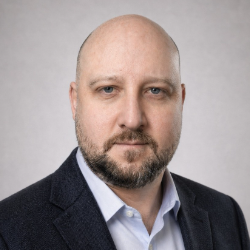 Benjamin Burke, PhD, Head, Radioligand Discovery, Curium Pharma
Head of Radioligand Discovery
Curium PharmaBenjamin Burke is Head of Radioligand Discovery at Curium, where he leads discovery strategy, target selection, and early portfolio development for the company’s oncology radioligand therapy pipeline. He works across chemistry, biology, radiochemistry, translational sciences, and external partnerships to advance novel radiopharmaceutical assets from concept through preclinical validation and early clinical planning. Prior to Curium, he served as Deputy Head of Discovery and Preclinical Services at Invicro (now Perceptive), supporting oncology theranostic and radioligand therapy programs across multiple biotech partnerships. He holds a PhD in Chemistry from the University of Hull, specialising in radiochemistry and molecular imaging.
 Tauseef Butt, PhD, President & CEO, Progenra, Inc.
President & CEO
Progenra IncTauseef Butt received his PhD degree in Molecular Biology from The University of Glasgow, Scotland. He was a Staff Fellow at the National Institutes of Health, Bethesda, MD, before joining SmithKline (now GSK) Pharmaceuticals. He serves as President and CEO of Progenra. He was an Adjunct Professor in Biochemistry and Biophysics, at University of Pennsylvania Medical School, Philadelphia, PA. He is also an Adjunct Professor in Biomedical Engineering at Drexel University, Philadelphia. He has been instrumental in raising ~$175 million capital. He is active in numerous national and regional professional organizations, including several dedicated to biotechnology.
 Jooyun Byun, PhD, Director, Preclinical Pharmacology, Hanmi Pharmaceutical Co Ltd.
Director
Hanmi Pharm. Co., Ltd.Jooyun Byun holds a PhD in cancer biology with a particular focus on molecular cancer biology and has developed broad expertise in translational pharmacology in the biopharmaceutical industry. I am currently engaged in oncology mechanistic research, supporting both in vitro and in vivo pharmacology for anticancer drug development. Throughout her career at Hanmi, I am leading pharmacology teams and projects across oncology, immuno-oncology, immunology, and rheumatology, with extensive experience in drug screening, assay development, biomarker and PD strategy, PK/PD and efficacy studies, translational research, and regulatory documentation including IND, CTD, and investigator brochures. My earlier work also included target validation, mechanism-of-action studies, and pharmacotoxicology research. I have authored more than 13 SCI-indexed publications spanning cancer signaling, kinase inhibition, and translational pharmacology, and contributed to over 35 poster presentations at major scientific meetings, including AACR and ESMO.
 Sean Carlin, PhD, Senior Vice President, Scientific Strategy, Perceptive Inc.
SVP
Perceptive Inc.
 Charly Chahwan, PhD, Co-Founder & CSO, SyntheX, Inc.
Co Founder & CSO
SyntheXCharly Chahwan is the co-founder and CSO of SyntheX. After completing his HBSc degree in Physiology and Biophysics from the University of Toronto, Charly joined the department of Molecular Biology at the Scripps Research Institute in California. There, he studied molecular mechanisms of cell cycle control, the ubiquitin-proteasome system, and DNA repair pathways. After Scripps, Charly joined the PhD program at the Department of Molecular Genetics at the University of Toronto where he focused on additional mechanisms that ensure faithful transmission of chromosomes and maintain genomic stability. He was awarded multiple governmental grants and set up independent collaborations with scientists in North America and Europe, resulting in over 20 peer-reviewed publications. Following years of research in molecular biology and cancer genetics, Charly co-founded SyntheX, which focuses on developing therapeutics for classically intractable cancer targets.
 Srinivas Chamakuri, PhD, Assistant Professor, Pathology & Immunology, Baylor College of Medicine
Asst Prof
Baylor College of MedicineI earned my PhD in Organic Chemistry from the University of Hyderabad, India, where my doctoral research focused on the synthesis of natural product-inspired hybrid macrocycles. Following my doctoral studies, I pursued postdoctoral training in Dr. Young's research group at Baylor College of Medicine, where I specialized in creating SP3 rich heterocycles to develop 3D-enriched small molecule libraries for Fragment-Based Drug Discovery and DNA-encoded chemical library technology.
Currently I am an Assistant Professor in the department of Pathology, and Assistant director of the Center for Drug Discovery at Baylor College of Medicine.
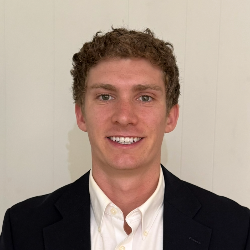 Davis H Chase, PhD, PostDoc Researcher, Molecular & Celluar & Developmental Biology, Yale University
PostDoc Researcher
Yale UnivDavis is a current postdoctoral researcher at Yale University in the laboratory of Craig Crews. He completed his B.S. in Chemistry at Haverford College and then obtained his Ph.D. also at Yale University in the Crews lab. His Ph.D. and postdoctoral work have focused on the synthesis and development of next-generation therapeutic modalities with a particular emphasis on targeted protein degradation and induced proximity.
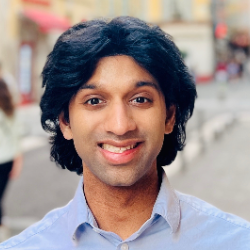 Pranam Chatterjee, PhD, Assistant Professor, Bioengineering, University of Pennsylvania
Assistant Professor
University of PennsylvaniaPranam Chatterjee is an Assistant Professor of Bioengineering and Computer and Information Science and the Africk-Lesley Distinguished Scholar of Innovation at the University of Pennsylvania. Having earned his SB, SM, and PhD from MIT, Professor Chatterjee has received the MIRA Award, Hartwell Individual Biomedical Research Award, and multiple NIH and foundation grants for his work. He has also co-founded Gameto, Inc., UbiquiTx, Inc., AtomBioworks, Inc., and Recognition Bio, Inc., which translates his research into fertility solutions, RNA medicines, and cancer therapeutics, respectively.
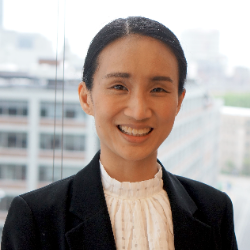 Saireudee Chaturantabut, PhD, Senior Research Scientist, Cancer Program, Broad Institute of MIT and Harvard
Senior Research Scientist
Broad Institute of MIT and HarvardDr. Saireudee Chaturantabut (PhD, Biochemistry) is a Senior Research Scientist at the Broad Institute of MIT and Harvard with extensive experience in cancer genomics and target discovery. She specializes in engineering next-generation, multi-specific cancer antibodies that bypass common drug resistance mechanisms. A passionate translational scientist and multidisciplinary team leader, her expertise bridges structural antibody design, high-throughput screening, and preclinical development to drive novel biologics to the clinic.
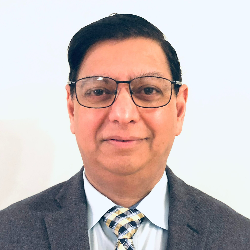 Prasoon Chaturvedi, PhD, Former Vice President & Head, DMPK, C4 Therapeutics, Inc.
Former VP & Head
C4 Therapeutics IncPrasoon Chaturvedi, Ph.D., led the DMPK efforts in the protein degrader space as Vice President, DMPK, at C4 Therapeutics in Watertown, MA. Over the last two decades, Prasoon has worked with numerous cutting-edge technologies to drive drug development endeavors in multiple therapeutic areas including infectious disease, oncology, hematology, cardiovascular, inflammation, and rare diseases leading to multiple successful IND, CTA, and NDA filings and has made key DMPK contributions for several marketed drugs including NUZYRA and ONPATTRO. Prasoon holds a Ph.D. from IIT, Roorkee (India), and did his postdoctoral training at E.K. Shriver Center of Harvard Medical School, MA.
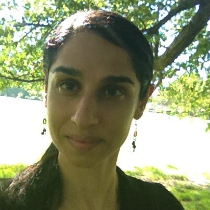 Charu Chaudhry, PhD, Associate Director, Molecular Pharmacology, J&J Innovative Medicine
Associate Director
J&J Innovative MedicineCharu Chaudhry is Associate Director of Molecular Pharmacology at J&J Innovative Medicine. Her scientific background is in biophysics, biochemistry, and in vitro pharmacology, and her research interests broadly encompass structure-function relationships, the adoption and implementation of innovative technologies, and targeted protein degradation. Her team utilizes multidisciplinary approaches to support preclinical discovery programs across all the therapeutic areas. Charu received her BS in Chemistry from Massachusetts Institute of Technology and her PhD in Molecular Biophysics and Biochemistry from Yale University.
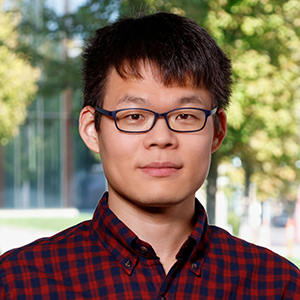 Tao Che, PhD, Associate Professor, Anesthesiology, Washington University
Associate Professor
Washington University in St. LouisTao Che, PhD, is an Associate Professor in the Department of Anesthesiology at Washington University in St. Louis. His research focuses on the structural and mechanistic basis of G protein–coupled receptor (GPCR) signaling, with a particular emphasis on opioid receptors and their role in pain, addiction, and neuropsychiatric disorders. By integrating structural biology, biochemistry, and pharmacology, his lab aims to enable the rational design of safer and more effective therapeutics.
Dr. Che received his PhD in Biochemistry from Case Western Reserve University in 2014, where he trained with Dr. Paul Carey, following his MS and BS degrees in Biochemistry and Biology, respectively, from Wuhan University in China. He completed his postdoctoral training with Dr. Bryan Roth in the Department of Pharmacology at the University of North Carolina at Chapel Hill, where he helped advance the structural understanding of neuroreceptors and GPCR drug action.
He joined Washington University in St. Louis as an Assistant Professor in 2020 and was promoted to Associate Professor in 2024. Dr. Che’s work continues to illuminate how opioid receptors and pain-related GPCRs translate drug binding into diverse cellular responses, providing a foundation for next-generation structure- and AI-guided drug discovery.
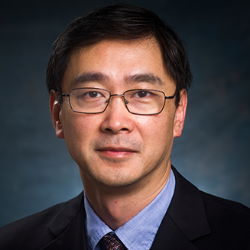 Jake Y. Chen, PhD, Triton Endowed Professor, Biomedical Informatics & Data Science, University of Alabama Birmingham
Triton Endowed Professor
Univ Of Alabama BirminghamDr. Jake Y. Chen is the Triton Endowed Professor of Biomedical Informatics and Data Science at the UAB School of Medicine, with joint appointments in Genetics, Computer Science, and Biomedical Engineering, and is the founding director of the Systems Pharmacology AI Research Center (SPARC). Over 25 years, he has advanced AI-driven biomedical informatics, network/systems biology, and computational drug discovery—developing systems pharmacology models, multi-omics AI frameworks, and digital twin simulations that integrate clinical, genomic, and real-world data for precision medicine. He has 200+ peer-reviewed publications and 200+ invited talks worldwide.
Dr. Chen also leads and convenes large, multi-institutional collaborations and contributes to national biomedical AI strategy and translational informatics infrastructure. He serves as the Contact MPI for CONNECT, an NIH U54-funded national AI-infrastructure initiative (2024–2029) focused on building AI-ready biomedical knowledge networks and has advised NIH and the US Congress (via NIDDK panels) while collaborating with FDA efforts related to AI-driven biomedical innovation. A recognized leader in AI-driven systems pharmacology, he is a Fellow of ACMI, AIMBE, and AMIA, an ACM Distinguished Member, and has received honors including the “Top 100 AI Leaders in Drug Discovery and Healthcare†(Deep Knowledge Analytics, 2019) and the CAST-USA Pioneer Award (2023).
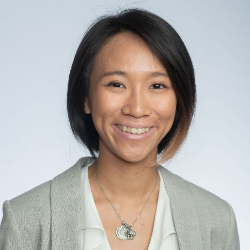 Agnes Cheong, PhD, Senior Scientist, Neuorprotection & Resilience cluster, Sanofi
Senior Scientist
SanofiDr. Agnes Cheong is a Senior Scientist in the Neuroprotection and Resilience cluster at Sanofi, where she applies an interdisciplinary approach to developing transformative therapies for neurodegenerative diseases, with primary focus on Alzheimer's disease. She earned her PhD from the University of Massachusetts Amherst, building deep expertise in early embryonic development and functional characterization of embryonic lethal genes. Following her doctoral training, she completed a postdoctoral fellowship at Sanofi investigating the interplay between glycosphingolipid metabolism and innate immune cell function -- a pivotal transition that established her command of neuroimmune biology. With over five years of dedicated neurology experience, Dr. Cheong leads research across three interconnected domains: neuroimmune modulation, prevention strategies, and neurorestoration. By integrating genetic insights from developmental biology with cutting-edge neuroimmunological research, she brings a rare multidimensional perspective to advancing treatments that transform patients' lives.
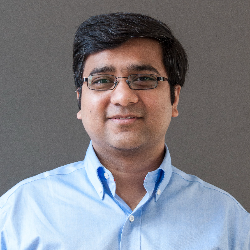 Amit Choudhary, PhD, Assistant Professor of Medicine, Harvard Medical School, Brigham and Women's Hospital and Broad Institute of MIT and Harvard
Assistant Professor of Medicine
Broad InstituteAmit is an Assistant Professor of Medicine at Harvard Medical School with appointments at the Brigham & Women’s Hospital and the Broad Institute. He performed his predoctoral studies at the Indian Institute of Science-Bangalore (IISc), working on organic synthesis and protein folding. In 2006, he moved to the Univ. of Wisconsin-Madison to pursue his graduate studies, where he discovered a force akin to the hydrogen bond in its quantum-mechanical origin and widespread prevalence in biomolecules. In 2011, Amit was elected as a Harvard Junior Fellow and hosted by Prof. Stuart Schreiber at the Broad Institute. Here, he shifted his research focus from quantum-mechanical interactions to the development of broadly applicable technologies inspired by specific problems in infectious diseases and diabetes. The efforts of Amit’s group have been recognized by Burroughs Wellcome Fund’s Career Award at the Scientific Interface, NIH Director’s Transformative Research Award, DARPA’s SAFE GENES and HEALR awards, Vilcek Prize for Creative Promise, and ICBS Young Chemical Biologist Award. Intellectual property arising from the Choudhary lab has been licensed to several genome-editing companies, and Amit is the scientific founder of Photys Therapeutics, which leverages the group’s findings in protein editing.
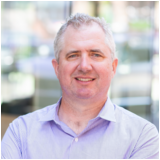 Matthew Clark, President & CSO, X-Chem, Inc
President & CSO
X-Chem, IncMatt is a world-recognized innovator and leader in the DNA-encoded library (DEL) field. He was part of X-Chem’s founding team and served as VP of chemistry and SVP of research prior to his appointment to the CSO position. Under his scientific leadership, the company developed from a niche chemical discovery platform to a world-leading drug discovery engine serving the biopharma industry. Before joining X-Chem, Matt was director of chemistry at GlaxoSmithKline, where he led the group responsible for design and synthesis of early-iteration DELs. He began his professional career at Praecis Pharmaceuticals, where he played a key role in the early development and implementation of technologies that would become the basis for DEL. Matt is a thought leader in the DEL space, with numerous patents and key DEL publications to his name. He received his B.S. in biochemistry from the University of California, San Diego, holds a Ph.D. in chemistry from Cornell University, and conducted postdoctoral studies at the Massachusetts Institute of Technology.
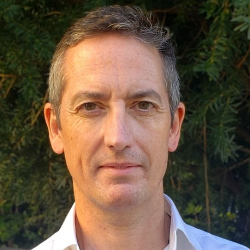 Ivan Cornella Taracido, PhD, CEO, Kiral Medicines
CEO
Kiral MedicinesIvan Cornella is a scientist and entrepreneur with over two decades of experience in pharmaceutical research and drug discovery. Most recently, he co-founded Covant Therapeutics, serving as Chief Scientific Officer. Throughout his career in both entrepreneurial and intrapreneurial roles within pharma and biotech, Ivan has led teams at Roivant Sciences, Cedilla Therapeutics, Merck, AstraZeneca, Sanofi, and the Novartis Institutes for BioMedical Research. He and his teams have been pivotal in integrating chemical and molecular biology, medicinal chemistry, pharmacology, and data sciences to advance drug discovery initiatives across diverse therapeutic areas.
Ivan is recognized as a subject matter expert and frequently consults for biotech firms. His professional network spans leading pharma and venture companies, startups, and academic thought leaders. He actively engages in mentoring junior scientists and in several professional science organizations.
He holds a Ph.D. in Chemistry from Universidade da Coruña, with postdoctoral fellowships completed at Harvard Medical School and Boston College. Additionally, Ivan has received executive training at MIT Sloan School of Management.
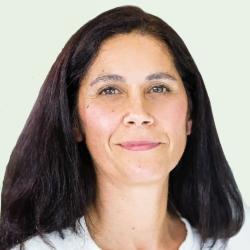 Susana S. Correia, PhD, Director, Neuromuscular Research, Dyne Therapeutics Inc.
Director
Dyne Therapeutics IncSusana Correia is a Director of Neuromuscular Research at Dyne Therapeutics in Waltham, MA, where she leads CNS drug discovery focused on the development of treatments for neuromuscular and potential applications of Dyne’s FORCE platform to CNS indications. Prior to joining Dyne, Susana advanced therapies for both neurodegenerative and neuropsychiatric diseases at multiple biotech companies. Her PhD training in molecular neuroscience started at the University of Coimbra in Portugal, her native country and her research career continued at the University of Michigan, Ann Arbor, MI and MIT in Cambridge, MA, where she conducted research on the molecular, cellular and neural circuit mechanisms underlying synaptic plasticity, cognition and anxiety-related brain biology.
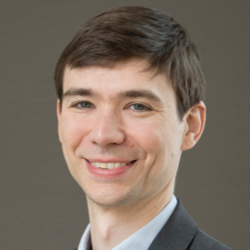 Steven Corsello, MD, Assistant Professor, Department of Medicine, Oncology, Stanford University
Assistant Professor
Stanford UniversityDr. Steven Corsello is an Assistant Professor of Medicine and medical oncologist at the Stanford School of Medicine. Dr. Corsello received his medical degree from Harvard Medical School. He completed residency training in Internal Medicine at Massachusetts General Hospital, followed by subspecialty training in medical oncology and hematology at the Dana-Farber Cancer Institute. He is a recipient of the National Cancer Institute K08 Award, the American Society of Clinical Oncology Young Investigator Award, and the American Society for Clinical Investigation Young Physician-Scientist Award. His research focuses on the application of genomic methods to cancer therapeutic discovery. He founded the Drug Repurposing Hub Project, an effort to evaluate all available clinical drugs using information-rich cellular assays and apply the results to develop therapeutic hypotheses. In a recent study, Dr. Corsello systematically tested existing drugs against barcoded cell lines to discover new cancer vulnerabilities.
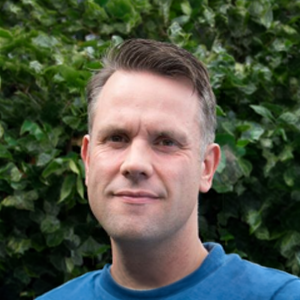 Ruud Coumans, PhD, Director, Protein Chemistry, Byondis
Director Protein Chemistry
ByondisAfter obtaining a Ph.D. in supramolecular chemistry in 2006 followed by a brief postdoctoral stay in academia working on self-healing materials, Ruud Coumans started at Syntarga to develop duocarmycin based linker-drugs. After acquisition of Syntarga by Byondis in 2011, he led efforts in the field of protein chemistry and engineering which resulted in a novel site-specific conjugation technology, a dual payload ADC technology and more recently a state-of-the-art antibody masking technology called ByonGuard.
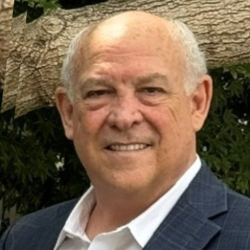 Mike Crosby, Ambassador & Board Member, Oncidium Foundation
Ambassador & Board Member
Oncidium Foundation USAMike Crosby is a patient advocacy executive, four-time prostate cancer survivor, and Ambassador and Board Member of the Oncidium Foundation USA, where he works to expand patient education, awareness, and access to radioligand therapy and theranostics. A retired U.S. Navy Commander and Naval Aviator, he has held leadership and advisory roles with national cancer, nuclear medicine, and patient advocacy organizations and works closely with patients, clinicians, researchers, industry, and advocacy groups to advance patient-centered access to emerging cancer diagnostics and therapies.
 Elizabeth D'ambrosio, PhD, Investigator, DNA-Encoded Library Technology, GlaxoSmithKline
Investigator
GlaxoSmithKlinePrior to GSK, Elizabeth completed her PhD studies in chemistry and biochemistry at the University of Delaware working in the lab of Catherine Grimes. Here, she used chemical biology tools to study the molecular interactions between bacterial cell wall fragments and the human innate immune system. In the summer of 2021, she joined GSK in Cambridge, MA as an investigator working in DNA encoded library technology, where she has contributed towards novel target tractability assessments and ELT platform development.
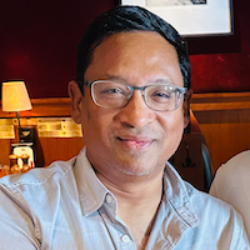 Debanu Das, PhD, Co-Founder, XPose Therapeutics, Mid-Atlantic BioTherapeutics (MABT)
CoFounder, XPose Therapeutics, an MABT Company
Mid-Atlantic BioTherapeutics (MABT)Debanu brings 20 years of expertise in protein crystallography, structure-and fragment-based drug discovery, structural biology and entrepreneurship. His expertise includes structure-function analysis of a broad range of proteins and drug targets like kinases, proteases, antibody-antigen complexes, nuclear receptors, ubiquitin ligases, methylases, polymerases, microbiome enzymes, membrane proteins, and transcription factors. In addition to working with many early drug discovery and therapeutics companies, he as authored or co-authored about 45 publications in methods development and applications, including four publications with Nobel Laureates David Baker, Michael Levitt, Shinya Yamanaka and Kurt Wüthrich.
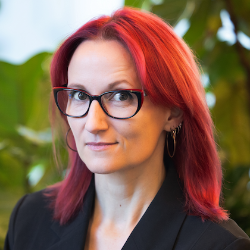 Erin Davis, PhD, Vice President, Research Business Insights & Technology, Bristol Myers Squibb
VP
Bristol Myers SquibbErin is Vice President of Research Business Insights & Technology at Bristol Myers Squibb, where she leads global teams spanning data, AI, and technology to enable data-driven decision-making across early drug discovery. She works at the intersection of science, technology, and business to advance the use of AI/ML, data platforms, and predictive modeling to accelerate the design of new therapies and improve R&D outcomes.
Previously, Erin served as Chief Technology Officer at X-Chem, where she led the development of an integrated discovery platform combining DEL, medicinal chemistry, computational science, and machine learning. Prior to that, she was Senior Vice President of Enterprise Informatics at Schrödinger, where she led the growth of the LiveDesign platform across the global pharmaceutical industry and founded the company’s discovery informatics function.
Erin began her career at the interface of medicinal and computational chemistry and holds a Ph.D. from the University of Montana.
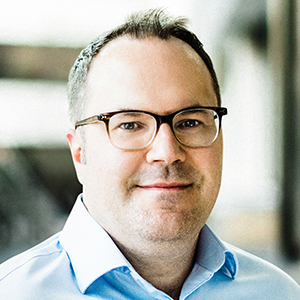 Chris De Savi, PhD, CSO Partner, Curie Bio
CSO Partner
Curie.BioAs Senior Vice President, Head of Drug Discovery at Kymera Therapeutics, Chris was responsible for medicinal and computational chemistry, lead discovery (biochemistry, biophysics, structural biology), preclinical development (DMPK and Toxicology), and proteomics. His team contributed to all drug discovery phases at Kymera from project inception through to clinical candidate discovery and beyond. Prior to joining Kymera, Chris was head of chemistry at Blueprint Medicines, a precision medicine company specialized in kinase drug discovery and development. Chris has deep experience in leading discovery research groups and project teams in both global pharmaceutical and biotech companies. He has directly contributed to the invention of 9 clinical candidate drugs for oncology and inflammation disease – most recently BLU-945, an EGFR T790M/C797S triple mutant inhibitor for the treatment of lung cancer, AZD4573, a selective CDK9 inhibitor for the treatment of haematological malignancies and AZD9496, an oral, selective estrogen receptor degrader for the treatment of ER+ breast cancer. He co-discovered Barasertib (AZD1152), a selective Inhibitor of Aurora B kinase for the treatment of AML. He is an author of over 50 peer-reviewed publications and patents in the fields of medicinal chemistry and drug discovery and a PhD qualified chemist who has previously held academic positions at Queens’ College Cambridge and University of Cambridge, Cambridge, UK.
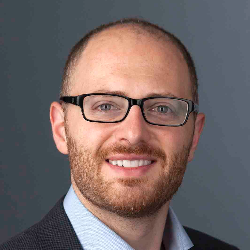 Brandon DeKosky, PhD, Phillip and Susan Ragon Career Development Professor of Chemical Engineering, MIT Core Member, The Ragon Institute of MGH, MIT, and Harvard University
Assistant Professor
Massachusetts Institute of TechnologyDr. Brandon DeKosky is an Assistant Professor in the Department of Chemical Engineering at MIT and a Core Member of the Ragon Institute of MGH, Harvard, and MIT. Research efforts at the DeKosky lab have developed a suite of high-throughput single-cell platforms for comprehensive analyses of adaptive immunity. These efforts are advancing new approaches in biologic drug discovery, and for the comprehensive analyses of genetic and functional diversity in adaptive immune cells. The group seeks to reveal the quantitative principles that govern effective adaptive immunity and provide molecular design strategies for vaccines and biologics to combat global infectious agents including HIV-1, malaria, and SARS-CoV-2. The DeKosky lab is also investigating quantitative principles of immune regulation and establishing new approaches for targeted and personalized cancer therapies. Dr. DeKosky has been awarded several honors for his research program. His PhD research was supported by a Hertz Foundation Graduate Fellowship, an NSF Graduate Fellowship, and a Donald. D. Harrington Graduate Fellowship. In 2016, DeKosky was awarded a K99 Pathway to Independence Award and an NIH Early Independence Award and began a joint faculty appointment at the University of Kansas Departments of Chemical Engineering and Pharmaceutical Chemistry. He has also received the Department of Defense Career Development Award, the Biomedical Engineering Society Rising Star Award, and the AIChE Young Faculty Futures award. In 2021, Dr. DeKosky began as an Assistant Professor in a joint appointment at MIT Chemical Engineering and The Ragon Institute.
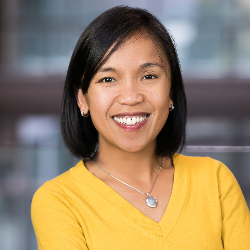 Josefa dela Cruz-Chuh, Scientist 4, Biochemical and Cellular Pharmacology (BCP), Genentech
Scientist 4
Genentech IncJosefa dela Cruz-Chuh is a Scientist 4 in the Biochemical and Cellular Pharmacology Department at Genentech, a member of Roche. She has 20 years of biotech industry experience developing innovative high-throughput in vitro functional assay platforms to elucidate the mechanisms of action of different antibody therapeutics. She established the immune cell engager platform with imaging-based screening assays measuring the kinetics of T-cell-mediated tumor cell killing, cytokine production, and immune cell marker phenotyping for bispecific antibodies and TCR-T cell therapies. She has also developed high-throughput functional assays for screening the in vitro potency of antibody-drug conjugates (ADCs) and understanding intracellular processing and drug release using LC/MS/MS. Prior to joining Genentech, Josefa worked at the Children’s Hospital Oakland Research Institute studying infectious diseases. Josefa attended UC Berkeley, where she studied Molecular and Cell Biology with an emphasis in Biochemistry.
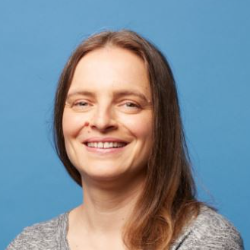 Julie Di Bernardo, PhD, Director, Drug Discovery, Foghorn Therapeutics
Director
Foghorn TherapeuticsJulie Di Bernardo is a Director at Foghorn Therapeutics, specializing in early discovery programs, high throughput screening, and cell based technologies. She earned her PhD in Cellular and Molecular Biology from the University of Trieste in Italy, where she investigated the role of the architectural chromatin factors HMGA in cancer. She completed her postdoctoral training at the University of Bologna in Italy and the University of Michigan, gaining foundational experience in drug discovery that ultimately led her to join Merck & Co. There, she worked within the Chemical Biology group, supporting discovery efforts across a range of disease areas, including oncology and neurology. Dr. Di Bernardo transitioned to biotech by joining the Drug Discovery team at Foghorn Therapeutics, where she focuses on chromatin remodeling and transcription factors using multiple modalities, including heterobifunctional degraders and small molecule inhibitors. Her expertise spans all aspects of cell biology and associated technologies, with a particular emphasis on high content imaging and phenotypic screening.
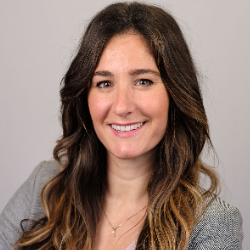 Elena Diez Cecilia, PhD, MBA, Senior Director, External Innovation, JNJ Innovation Center
Senior Director
JNJ Innovation CenterElena is Senior Director of External Innovation within Discovery, Product Development & Supply (DPDS) at Johnson & Johnson R&D and part of the J&J Innovation East North America team in Boston. She is responsible for the sourcing, evaluation, and negotiation of strategic external innovation partnerships, focusing on enabling platform technologies, synthetic drug modalities assets across therapeutic areas (Oncology, Immunology and Neuroscience), and AI/ML companies and collaborates with JLABS to identify and support start ups aligned with DPDS strategy.
Her background includes business development, strategic consulting, and venture advising for West Coast VC firms, conducting due diligence on biotech therapeutic and platform companies. She has also served as an expert evaluator for European Commission grant programs and co founded DealMak(HER)s to support women in life science dealmaking. Elena holds a Ph.D. in medicinal chemistry from Trinity College Dublin, completed research roles at the University of Toronto and San Francisco State University in Oncology and Neurodegeneration, and earned an Executive MBA from University of Barcelona/EAE Business School.
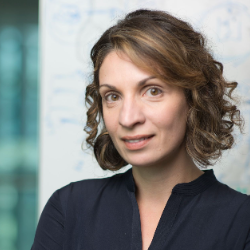 Yoana Dimitrova, PhD, Senior Principal Scientist, Structural Biology, Genentech Inc.
Senior Principal Scientist
Genentech IncYoana Dimitrova earned her BS and PhD in Biochemistry from Vanderbilt University, followed by a postdoctoral fellowship at Harvard Medical School. Over her nine-year industry career at Genentech, she translates structural biology into deep mechanistic insights, leading Oncology portfolio projects and structure-guided drug design. Yoana pioneered cross-functional, multidisciplinary initiatives for novel target discovery across Therapeutic Areas and serves as a core member of the modality selection forum. She leads the development of an enterprise, automated Multi-Attribute Ranking System (MARS), an AI-enabled framework that empowers scientists with data-driven target discovery, modality recommendations, and insights for efficient target validation strategies.
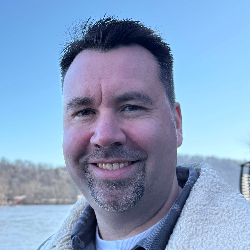 James Duncan, PhD, Associate Professor, Cancer Signaling & Microenvironment, Fox Chase Cancer Center
Associate Professor
Fox Chase Cancer CenterI am an Associate Professor in the Cancer Signaling and Microenvironment (CSM) Program at Fox Chase Cancer Center, and my research is focused on understanding the role of protein kinases in the development of cancer and drug resistance. To accomplish this, our lab uses proteogenomics approaches including kinome profiling strategies and phosphoproteomics to discover new kinase therapeutic targets and to explore resistance mechanisms to molecular targeted therapies.
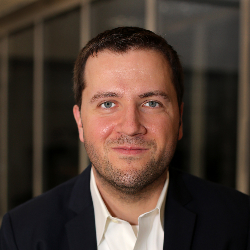 Matthew T. Eddy, PhD, Associate Professor, Chemistry, University of Florida, Gainesville
Associate Professor
University of Florida GainesvilleMatthew Eddy received his PhD in physical chemistry from the Massachusetts Institute of Technology in the laboratory of Professor Robert Griffin. During his PhD, Dr. Eddy developed new approaches for using nuclear magnetic resonance (NMR) in the solid state to determine structures of membrane proteins in cellular-like environments. Following his PhD, Dr. Eddy joined the laboratories of Professors Raymond Stevens and Kurt Wüthrich at The Scripps Research Institute as an American Cancer Society Postdoctoral Fellow, applying an integrative structural biology approach to study human G protein-coupled receptors (GPCRs) and focusing on applications of nuclear magnetic resonance to improve our understanding of GPCR allosteric functions. Dr. Eddy is currently an assistant professor in the Department of Chemistry at the University of Florida and affiliated faculty of the National High Magnetic Field Laboratory. His group continues to study human GPCRs to understand the role of the cellular environment in regulating GPCR dynamics, structure, and function.
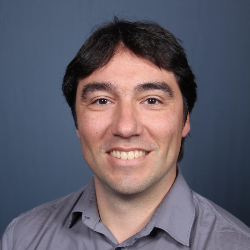 Meddy El Alaoui, PhD, CEO, AbTx
CEO
AbTxMeddy El Alaoui is co-founder of AbTx, and Chief Scientific Officer (CSO) at Covalab, specializing in bio-conjugation and targeted cancer therapies.
With a robust background in bioconjugation chemistry, molecular biology, and translational oncology, Dr. Meddy El Alaoui drives innovative approaches to enhance the specificity, stability, and therapeutic efficacy of ADC platforms. His work integrates advanced conjugation strategies with deep mechanistic insights into tumor biology, aiming to overcome resistance and improve patient outcomes.
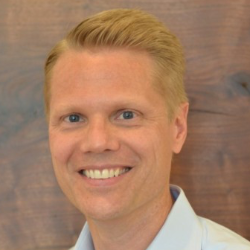 Kris Elverum, MBA, former President & CEO, AIRNA
Former President & CEO
AIRNAKris Elverum is a biotech CEO and Board member that is passionate about transforming the lives of patients with rare and common diseases. Kris was recently President and CEO of AIRNA, a leading RNA editing therapeutics company. Under Kris' leadership, AIRNA raised $215m in new capital from leading investors, grew to a global team of more than 70 people, and progressed from academic science to the clinic. Prior to AIRNA, Kris was President and Chief Executive Officer of Diagon Therapeutics, a stealth regenerative medicines company, and led business and corporate development for multiple biotechnology companies, including Rubius Therapeutics (RUBY), Turnstone Biologics (TSBX), and SQZ Biotechnologies (SQZ). Early in his career, Kris held leadership positions at Novartis and McKinsey & Company.
 Katie Ennis, Senior Scientist, NeuroInflammation, Sanofi Group
Senior Scientist
Sanofi GrpKatelin (Katie) Ennis is a neuroscientist with a robust career spanning neurobiology, neuroimmunology, and neurodegeneration, with a focus on drug development. Currently contributing to the neurodegeneration portfolio at Sanofi, Katie brings expertise in translating complex biological pathways and mechanisms to trackable targets for therapeutic development. Previously, Katie supported various portfolio programs at Biogen focusing neuroimmunology, stroke, neurodevelopment and epilepsy indications. With an undergraduate degree in Behavioral Neuroscience from Northeastern University and a master’s degree in Biotechnology from Johns Hopkins, Katie has dedicated her career to delivering disease-modifying treatments to patients with neurological conditions.
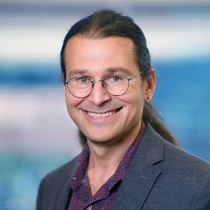 Daniel A. Erlanson, PhD, Chief Innovation Officer, Frontier Medicines Corporation
Chief Innovation Officer
Frontier Medicines CorporationDr. Daniel A. Erlanson is the Chief Innovation Officer for Frontier Medicines, which is using covalent fragments, machine learning, and chemoproteomics to target proteins often thought undruggable. Prior to Frontier he co-founded Carmot Therapeutics, where he contributed to two clinical-stage molecules. Before Carmot, Dr. Erlanson spent a decade developing fragment-based discovery technologies and leading medicinal chemistry projects at Sunesis Pharmaceuticals. Dr. Erlanson was an NIH postdoctoral fellow with James A. Wells at Genentech, earned his PhD in chemistry from Harvard University in the laboratory of Gregory L. Verdine, and his BA in chemistry from Carleton College. He has co-edited two books on fragment-based drug discovery and is an inventor on more than a dozen issued patents and an author of more than forty scientific publications. He also runs a blog devoted to fragment-based drug discovery, Practical Fragments (http://practicalfragments.blogspot.com/).
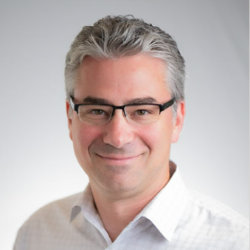 Michael Evans, PhD, Professor, Radiology & Biomedical Imaging, University of California, San Francisco
Prof
Univ of California San FranciscoMichael Evans, PhD, is a Professor in Residence in the UCSF Department of Radiology and Biomedical Imaging. He is a chemical biologist with an interest in biomarker discovery with proteomics, nuclear medicine, theranostics, and molecular imaging. Dr. Evans earned a BA in Chemistry from St. Mary’s College of Maryland and he obtained his PhD in Organic Chemistry from The Scripps Research Institute (CA) under the supervision of Professor Benjamin Cravatt. This was followed by a postdoctoral fellowship in Molecular Imaging from the Memorial Sloan Kettering Cancer Center in New York under the supervision of Professors Charles Sawyers and Jason Lewis. Dr. Evans has published over 100 peer-reviewed articles and is a co-inventor on 17 patents pending or issued. Dr. Evans also is the principle investigator or co-PI on several human trials focused on new strategies for imaging and treating tumors with radiopharmaceuticals. He is a scientific co-founder and previously served on the scientific advisory board of ORIC Pharmaceuticals, Inc. He is a co-founder of Therapaint, Inc, Honeybear Biosciences, and Inversion Therapeutics. Has been recognized with numerous honors, including a 2013 Young Investigator Award from the Prostate Cancer Foundation, a Pathway to Independence Award from the National Cancer Institute, a 2017 Research Scholar Award from the American Chemical Society, the 2023 Roger Tsien Award for excellence in chemical biology from the World Molecular Imaging Society, the 2024 Sam Gambhir Trailblazer award from the Society of Nuclear Medicine and Molecular Imaging, and he was a 2020 inductee to the Council of Distinguished Investigators in the Academy of Radiology and Biomedical Imaging Research.
 Ghotas Evindar, PhD, Co-Founder & President, DEL Source; former DEL Platform Senior Manager, GSK; former Head of Research, Exo Therapeutics; former Head of Research, 1859
Co-Founder & President
DEL SourceDr. Ghotas Evindar is a recognized leader in drug discovery and a pioneer in DNA-Encoded Library (DEL) technology, with over two decades of experience advancing small-molecule therapeutics across the biotech and pharmaceutical industries. He currently serves as Co-Founder and President of DEL Source Inc., where he leads efforts to develop and apply DEL-based discovery platforms that enable the identification of novel therapeutics for challenging targets.
Previously, Dr. Evindar led DEL discovery at GlaxoSmithKline (GSK) as Senior Site Manager in Boston, guiding numerous programs from early hits to development candidates. Earlier in his career, he was a core member of the original Praecis Pharmaceuticals team that helped establish the DEL platform as a transformative drug discovery technology, and he began his industry career as a medicinal chemist at Vertex Pharmaceuticals. Dr. Evindar has also held senior leadership roles as Head of Drug Discovery at 1859 Inc. and Exo Therapeutics.
Dr. Evindar is widely recognized for his innovative contributions to DEL platform development, library design, and small-molecule discovery. A frequent speaker and educator, he actively supports the scientific community through industry courses, panels, and workshops focused on DEL innovation, AI-enabled screening, and the advancement of modern drug discovery.
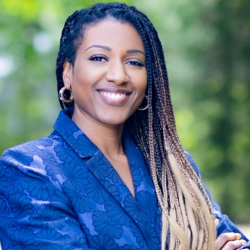 Saudat Fadeyi, PhD, MBA, Startup Advisor & General Partner, Nova Rain Capital
Startup Advisor & General Partner
Nova Rain CapitalSaudat Fadeyi, PhD, MBA, is a healthcare and life sciences executive, investor, and General Partner at Nova Rain Capital, an early-stage venture firm backing healthcare and technology companies focused on women’s health innovation across precision medicine, diagnostics, digital health, and AI-enabled platforms. She brings more than 20 years of experience helping companies shape growth strategy, build strategic partnerships, execute complex transactions, and access capital, and has led corporate strategy, business development, clinical development, and commercialization across the biopharmaceutical industry. Over her career, she has led more than $3 billion in strategic transactions and investments and advised over 40+ early-stage companies. Saudat is also an investor with Cancer Fund Impact Investments, where she serves on the Screening and Investment Committees, and is an incoming Co-Editor-in-Chief of Clinical Therapeutics. She holds a PhD in Cancer Biology and an MBA in Pharmaceutical Management.
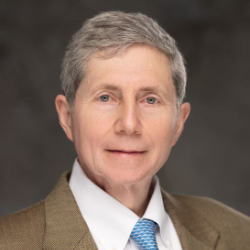 Joshua Farber, MD, Chief, Inflammation Biology Section, NIH
Senior Investigator
NIAID, NIHI obtained my M.D. degree from Johns Hopkins University, where I also trained in internal medicine and infectious diseases. My postdoctoral research training was at the National Institutes of Health and Johns Hopkins. Since 1993 I have supervised a laboratory in the intramural program of the National Institute of Allergy and Infectious Diseases, NIH, where my research focuses on the chemokine system in health and disease.
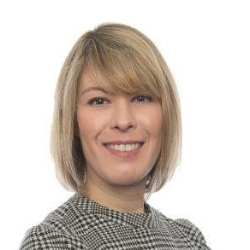 Cara Ferreira, PhD, CEO, Lumina Pharmaceuticals
CEO
Lumina PharmaceuticalsDr. Cara Ferreira, PhD, MBA is currently the CEO of Lumina Pharmaceuticals a clinical-stage radiopharmaceutical company distinguished by its innovative technology targeting novel biomarkers to treat cancer. Most recently she was an executive at Fusion Pharmaceuticals a clinical stage company focused on targeted alpha therapy which was acquired by AstraZeneca in June 2024. Previously, Cara was an Associate Partner at McKinsey & Company, where she led strategy consulting for global pharmaceutical clients. Dr. Ferreira has been active in the radiopharmaceutical space for 25+ years and has held leadership roles in SNMMI.
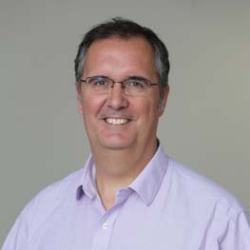 Marc Ferrer, PhD, Director, 3D Tissue Bioprinting Laboratory, Division of Preclinical Innovation, National Center for Advancing Translational Sciences, National Institutes of Health (NIH)
Director, 3-D Tissue Bioprinting Laboratory
National Center for Advancing Translational Sciences, NIHMarc Ferrer is currently the Director of the 3D Tissue Bioprinting Laboratory at NCATS. He graduated with a BSc degree in Organic Chemistry from the University of Barcelona, Spain, in 1989, and received his Ph.D. degree in Biological Chemistry from the University of Minnesota, in 1994. Dr. Ferrer has 20 years of experience in in vitro pharmacology for drug discovery. In the last three years, he has led the implementation of the NCATS 3D Tissue Bioprinting Laboratory, a multidisciplinary group with the goal of developing 3D organotypic cellular models that faithfully mimic human pathophysiology and using them to implement clinically predictive drug efficacy and safety screens.
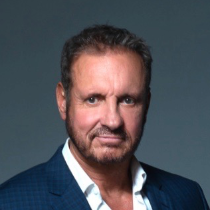 Stephen W. Fesik, PhD, Professor of Biochemistry, Pharmacology & Chemistry; Orrin H. Ingram II Chair in Cancer Research, Vanderbilt University
Professor & Orrin H Ingram II Chair
Vanderbilt UniversityStephen W. Fesik, PhD, is the Orrin H. Ingram II Chair in Cancer Research and a Professor of Biochemistry, Pharmacology, and Chemistry at Vanderbilt University School of Medicine. He is also a member of the Vanderbilt Ingram Cancer Center (VICC), the Vanderbilt Institute of Chemical Biology (VICB), and the Center for Structural Biology (CSB). The focus of his research is on cancer drug discovery using fragment-based approaches and structure-based drug design. Prior to joining Vanderbilt in May 2009, Dr. Fesik was the Divisional Vice President of Cancer Research at Abbott (2000-2009) where he built a pipeline of compounds that are showing promising anti-cancer activities in early-stage clinical trials. In addition, while he was at Abbott, he developed several new NMR methods, determined the three-dimensional structures of several proteins and protein/ligand complexes, pioneered a fragment-based method for drug discovery called SAR by NMR, and applied this method to identify and optimize ligands for binding to many protein drug targets. Dr. Fesik has published more than 295 papers, trained 68 postdoctoral fellows, and has served as a member of the Editorial Boards of many scientific journals, scientific advisory boards, and the Keystone and Bruker Board of Directors. He has also obtained several awards, such as the Lifetime Achievement Award in Nuclear Magnetic Resonance from EAS (2003), the SBS Technology Innovation Award (2010), the NIH Director's Pioneer Award (2010), the AACR Award for Outstanding Achievement in Chemistry in Cancer Research (2012), and 2021 Chester Stock Award from Memorial Sloan Kettering Cancer Center.
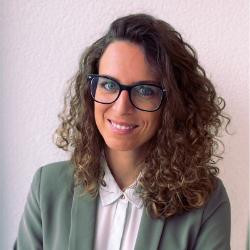 Ana Filipa Fonseca, Global RLT Strategy and Early Portfolio Director, Novartis
Director
NovartisGlobal pharma strategy leader with over 13 years' experience in pharma working across the research-development-commercial continuum. Have been working in the RLT space over the past 5 years. Currently leading global radioligand therapy strategy in Oncology at Novartis, driving mid- to long-term strategy and commercial success.
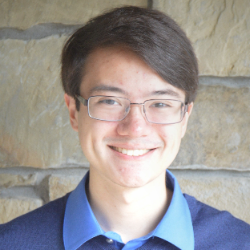 Justyn Fine, PhD, Postdoctoral Fellow, Spangler Lab, Johns Hopkins University School of Medicine
Postdoctoral Fellow
Johns Hopkins University School of MedicineJustyn Fine earned a Bachelor of Science degree in Physics and a Bachelor of Biomedical Engineering degree from the University of Minnesota, Twin Cities, and went on to conduct his Ph.D. research in the Program in Molecular Biophysics in Associate Professor Jamie B. Spangler’s lab at Johns Hopkin University. In the Spangler Lab, he works on antibody engineering, including the development of an antibody discovery workflow, preclinical studies on a therapeutic bispecific antibody candidate, protein NMR spectroscopy, and development of a bioPROTAC. His work also involves collaboration with labs in other institutions, such as the Children’s Hospital of Philadelphia and the Institute for Protein Design – University of Washingtion, to discover protein binding domains specific for disease-relevant targets.
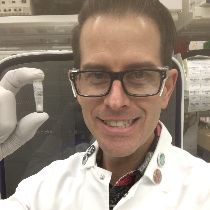 Timothy L. Foley, PhD, Senior Principal Scientist & Lab Head, DNA Encoded Library Selection & Pharmacology, Pfizer Global R&D Groton Labs
Lab Head, Associate Research Fellow
Pfizer Global R&D Groton LabsTim first obtained his BSc in cell biology and biochemistry and then a MSc in organic chemistry at the University of California - San Diego (UCSD). Still at UCSD, he pursued inhibitors of bacterial natural product biosynthesis and received his Ph.D. in chemistry in 2010. He conducted his post-doctoral studies at the National Center for Advancing Translational Sciences (NCATS) at the NIH from 2010 to 2014. In this position, he further developed his knowledge of enzymology and molecular pharmacology in the context of high throughput screening. Tim joined Pfizer in February 2014 to support the Pfizer Centers for Therapeutic Innovation portfolio and the Serine Hydrolase Gene Family platform. Tim’s lab guides pharmacology assay design and execution for projects to support hit discovery and compound optimization into clinical candidates. Since 2017, he has been leading the organizational effort to develop hit identification capabilities with DNA-encoded library technologies.
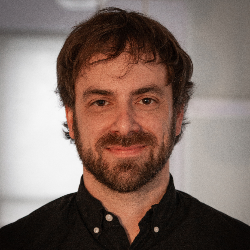 Jean-Philippe Fortin, PhD, Senior Scientific Director, Head of Pharmacology, Pfizer Inc.
Senior Scientific Director
Pfizer IncJean-Philippe Fortin, PhD, is Senior Scientific Director and Head of Pharmacology in Pfizer’s Internal Medicine Research Unit in Cambridge, Massachusetts. A GPCR pharmacologist with more than two decades of experience, he focuses on translating complex receptor biology into innovative drug-discovery strategies. Since joining Pfizer in 2011, Jean-Philippe has contributed to the discovery and advancement of therapeutics for obesity and metabolic disease, with particular expertise in incretin and other therapeutically relevant GPCRs. His work spans small- and large-molecule modalities, integrating mechanistic and translational pharmacology with human genetics to strengthen target validation, guide molecule progression, and improve translation from preclinical models to humans.
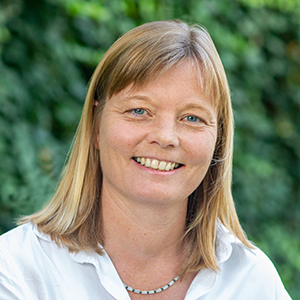 Angelika Fretzen, PhD, MBA, COO & Technology Translation Director, Wyss Institute, Harvard University
COO & Technology Translation Director
Wyss Institute for Biologically Inspired EngineeringAngelika Fretzen, PhD, MBA, is passionate about uniting and stewarding powerful teams as they work to solve the most pressing problems facing our society in healthcare and sustainability. Throughout her career, it became evident to Angelika that the strength and health of women was integral to their own perspective on life, to their families, and to the societal ecosystem they participated in. Her deep commitment to bridging the acute healthcare and equity gap for women that we still face is evident in her championing the development of programs and technologies to address these gender-based issues. At the Wyss, she initiated the Wyss 99s that aims to encourage, develop, and provide resources to female leaders, entrepreneurs, and scientists. Through her passion of working towards health equity, Angelika was the impetus for the formation of the Women’s Health Catalyst with a vision of developing entirely innovative approaches to studying female biology and creating technologies to define healthy and disease responses that change dynamically over time much like a woman’s own physiology. In 2024, she received the prestigious Joseph B. Martin Dean’s Leadership Award for the Advancement of Women’s Careers at Harvard Medical School/Harvard School of Dental Medicine.
Before coming to the Wyss, Angelika spent two decades in entrepreneurial pharmaceutical companies where she developed a deep commitment to improving healthcare for women and families. At Ironwood Pharmaceuticals, she spearheaded the discovery, development, and commercialization of LinzessTM, a first-in-class medication for Irritable Bowel Syndrome, a symptomatic disease that can be debilitating to many women in the most productive years of their life. Prior to the development of this therapeutic, effective treatment options were nonexistent until LinzessTM became available to physicians. At Catabasis Pharmaceuticals (now Astria TX), Angelika collaborated closely with the internal team, clinicians, advocacy groups, and families to bring Edasalonexent into Phase 3 clinical trials for the treatment of Duchenne Muscular Dystrophy, a rare genetic neuromuscular disease that affects young boys and their families. For 12 years, she also served on the Board of Bridgewell, a social and human service organization, where she facilitated programs for the homeless, individuals with disabilities, young adults with autism, and young mothers with a history of substance abuse.
Angelika Fretzen is a chemist by training, completing her undergraduate studies in Germany and her PhD in Switzerland. She came to the United States for her postdoctoral research at Harvard University, before joining the early biotechnology community in Kendall Square in 2000. She holds an MBA from Suffolk University and is deeply committed to both the personal and career development of all scientists and employees around her. She was named one of Mass High Tech’s 2013 Women to Watch.
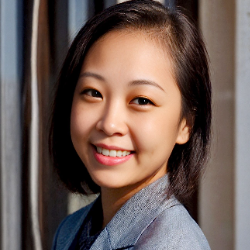 Christina Fu, PhD, Senior Principal Scientist, PDM, Pfizer
Sr Principle Scientist
Pfizer IncDr. Christina (Runzhong) Fu is a Senior Principal Scientist in Immunogenicity Science at Pfizer, where she leads immunogenicity risk assessment strategy and method innovation to support the development of complex biologics and antibody–drug conjugates. She previously headed cell-based and discovery assay development in ADC bioanalysis at Pfizer (via the Seagen acquisition), focusing on fit-for-purpose PK, ADA and NAb methods for oncology programs. Dr. Fu earned her PhD in Pharmacology and Pharmaceutical Sciences from the University of Southern California and an MRes in Drug Discovery and Development from Imperial College London. Her earlier academic work in autoimmune disease and peptide therapeutics, together with diverse industrial experiences in bioanalysis and immunogenicity assessments, underpins a broad toolkit spanning cell biology, bioanalytical method development, and translational pharmacology.
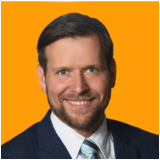 Volker Gatterdam, Market Development Manager, Marketing & Sales, lino Biotech AG
Market Development Manager
lino Biotech AGVolker Gatterdam is Market Development Manager at lino Biotech AG, a Miltenyi Biotec company, and a co-founder of lino Biotech. He studied chemistry in Marburg and holds a doctoral degree in biochemistry, summa cum laude, from the University of Frankfurt, where he worked on the chemical modification of surfaces for the design and fabrication of biosensors. During his postdoc at ETH Zurich in the group of Prof. Janos Vörös he first encountered focal molography, and he has worked on the technology ever since. His focus is biomolecular interaction analysis and the characterization of binding in crude, unpurified samples.
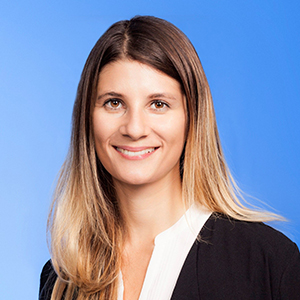 Andrea Geist, PhD, Senior Scientist, R&D, EMD Serono
Senior Scientist
EMD SeronoAndrea Geist completed her degree in biochemistry at the University of Tübingen, where she carried out her Master's thesis in collaboration with the Massachusetts General Hospital (MGH), Boston, US. She received her PhD in stem cell and cancer cell biology at the German Cancer Research Center (DKFZ) in Heidelberg in 2021. Her doctoral research focused on investigating the impact of metabolic circuits on the epigenetic landscape of embryonic and leukemic stem cells, uncovering important insights into the underlying mechanisms governing these cells and their potential implications in disease.
In 2022, Andrea joined Merck KGaA, Darmstadt, Germany. Since July 2023, she has been part of the PROxAb Shuttle team, where she contributes to the targeted delivery of proteolysis-targeting chimeras (PROTACs). Throughout her work, Andrea has been committed to merging her deep expertise in cancer cell biology with antibody-drug conjugate (ADC) strategies, making meaningful contributions to the advancement of targeted protein degradation as a novel therapeutic modality.
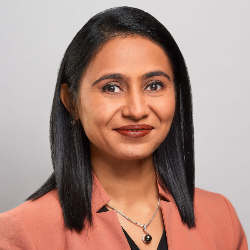 Ashwini Ghogare, PhD, MBA, GenAI Leader, Start-Ups, Life Sciences & Healthcare, Amazon Web Services
GenAI Leader
Amazon Web ServicesAshwini Ghogare is a GenAI Leader for Life Sciences and Healthcare Startups at Amazon Web Services (AWS), where she advises techbios to harness the power of generative AI, cloud, and automation to accelerate scientific breakthroughs and bring therapies to patients faster. Previously at Merck KGaA, Darmstadt, Germany she led an intrapreneural corporate venture on AI and automation for drug discovery building the first-in-class AI-native fully autonomous R&D lab for Life Science and Healthcare sectors. Her significant experience developing and launching scientific GenAI solutions, incubating new techbio ventures, and commercializing enterprise solutions culminated in the successful launch of the AI-powered drug design solution, AIDDISONâ„¢ and global success of Synthiaâ„¢, a leading retrosynthesis design solution. Recognized globally as a thought leader, Ashwini has delivered keynotes at major industry forums, including DAVOS, and has been honored among the Top 100 AI Leaders and as AI Leader of the Year (2025). She holds a Ph.D. in Oncology Research and an MBA from the Wharton School of Business.
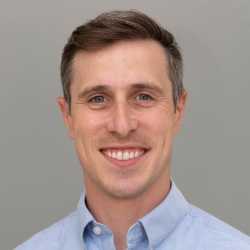 William Gibson, MD, PhD, Principal Investigator, Dana Farber Cancer Institute
Principal Investigator
Dana Farber Cancer InstituteWilliam Gibson, MD, PhD, earned degrees in biological engineering and philosophy at the Massachusetts Institute of Technology. He then joined the Harvard-MIT MD/PhD program, where he conducted his thesis research with Rameen Beroukhim. Dr. Gibson completed his residency in internal medicine at the Brigham and Women's Hospital and his Medical Oncology fellowship at Dana-Farber Cancer Institute. He conducted post-doctoral research in the laboratories of Stuart Schreiber and Matthew Meyerson. His research laboratory invents novel chemical biology technologies to address some of cancer's most intractable problems, such as directly drugging TP53 mutant cancers.
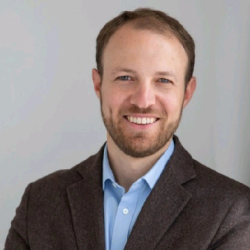 Jonathan B. Gilbert, PhD, Senior Director, Ecosystem Growth and Contributor Partnerships, Eli Lilly and Company
Sr. Director - Ecosystem Growth and Contributor Partnerships
Eli Lilly and CompanyJonathan Gilbert leads the growth of the Lilly TuneLab Ecosystem worldwide. Jonathan received his PhD from MIT in Chemical Engineering and has spent his last decade plus in biotech at multiple companies ranging from the Seed stage to early clinical public companies. Immediately prior to Lilly, Jonathan lead Corporate Development and Strategy at Entact Bio.
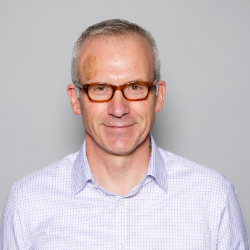 Jochem Gokemeijer, PhD, Distinguished Scientist, Biologics Discovery, Johnson & Johnson
Distinguished Scientist
Johnson & JohnsonJochem is currently at Johnson and Johnson focused on non-clinical immunogenicity of biologics Before that he was at Bristol-Myers Squibb for 14 years in different roles of responsibility focused on biologics drug development. For the last 8 years he has been focused on building a group for pre-clinical immunogenicity risk assessment and mitigation. He received his training at the University of Groningen and the Dana Farber Cancer Institute.
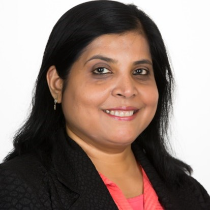 Sujatha Gopalakrishnan, Director, Research Fellow & Head, HTS & Molecular Characterization, AbbVie
Head
AbbVie IncSujatha Gopalakrishnan is leading the centralized Molecular Screening and Characterization group at Abbvie. Her team supports various therapeutic areas in assay development, screening, and advancing compounds including elucidation of the SAR and mechanistic studies for early-stage drug discovery efforts. She joined Abbott/Abbvie in 1995, and since then has held positions of increasing responsibility leading highly-productive scientific teams. With early Discovery, she has been advancing a range of assay platforms/technologies for target-based and phenotypic screens that impacted Abbvie pipeline. Sujatha is an author of over 45 peer-reviewed manuscripts as well as a co-inventor on two patents.
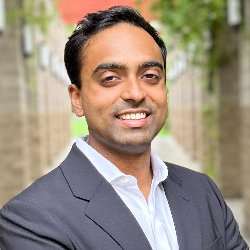 Sai Gourisankar, PhD, NCI K99/R00 Postdoctoral Fellow, Laboratory of Dr. Nathanael Gray, Stanford Cancer Institute
NCI K99/R00 Postdoctoral Fellow
Stanford Cancer InstituteSai Gourisankar, PhD is an NCI K99/R00 Postdoctoral Fellow at the Stanford Cancer Institute in the laboratory of Prof. Nathanael Gray. His PhD was in chemical engineering, advised by Prof. Gerald Crabtree, where he investigated mechanisms of epigenetic regulation in cancer and development. Dr. Gourisankar’s postdoctoral work focuses on developing new small molecule technologies to target and reprogram oncogenic drivers for therapeutic applications, particularly using chemical induced proximity approaches and enabled by biochemistry and genomics.
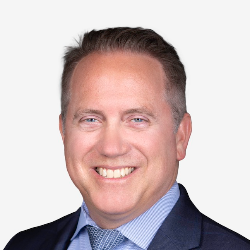 Michael Groaning, PhD, CSO, Soricimed Biopharma Inc.
CSO
Soricimed Biopharma IncDr. Groaning received his PhD in Organic Chemistry at Colorado State University before moving on to the Swiss Federal Institute of Technology in Zurich, Switzerland for his postdoctoral research in natural product total synthesis. From there he started his career at Roche initially in medicinal chemistry before moving to Roche Colorado where he transitioned to process research. In 2008, he moved to Endocyte and began his tenure there in process development before transitioning into regulatory affairs and finally clinical development. He lead the prostate cancer program exploring EC1169, a PSMA targeted small molecule drug conjugate, before Endocyte in-licensed PSMA-617 which became the approved drug Pluvicto. After the acquisition of Endocyte by Novartis, Dr. Groaning spent three years at Amgen working on the STEAP1 targeted T-Cell engager program before moving back into the radioligand space. He joined Fusion in January, 2024 as the Global Program Leader for the Ac-225-PSMA program until Fusion was acquired by AstraZeneca. In September 2025, he began his tenure at Soricimed Biopharma as their CSO focusing on the development of TRPV6 targeted radioligand therapies.
 Victor Guallar, PhD, Professor, Barcelona Supercomputing Center and Nostrum Biodiscovery
Professor
Barcelona Supercomputing Center and Nostrum BiodiscoveryCurrently an ICREA Professor at the Barcelona Supercomputing Center (BSC), Dr. Guallar completed his PhD in theoretical Chemistry between the University Autonomous of Barcelona (Spain) and UC Berkeley (USA) in January 2000. After three years as a postdoctoral researcher at Columbia University (New York, USA), he was appointed assistant professor at Washington University School of Medicine (St Louis, USA), before moving his group to BSC in 2006. His laboratory (EAPM) has grown considerably since, keeping a productive international character, and developing important contributions in computational biophysics, such as the protein-ligand modeling software PELE, and biochemistry, including computational algorithms for enzyme engineering and the introduction of the first PluriZyme (enzyme with multiple actives sites).As a BSC researcher, Prof. Guallar has been awarded several important research projects, including the award of a prestigious advanced ERC grant (the youngest researcher to receive it in Spain). His research has produced over 140 papers in international journals and directed 16 PhD thesis. In addition to algorithms development (and their application), the group has recently placed importance in adding interdisciplinary fields to our research, such as visualization techniques, data mining and software optimization through machine learning algorithms. Prof. Guallar is also founder of the first spin off from BSC, Nostrum Biodiscovery, a young biotech enterprise created in 2016 which aims to collaborate with pharmaceutical and biotech companies dedicated to the development of drugs and molecules of biotechnological interest. The company currently works with clients in North America, Europe, Asia, and Oceania.
 Sushma Gurumurthy, PhD, Consultant; Formerly Senior Director, Oncology Research, Moderna, Inc.
Former Senior Director
ModernaSushma Gurumurthy, PhD is a distinguished scientist with over 15 years of experience in oncology research and mRNA therapeutics. Since joining Moderna in 2015, Sushma has led the preclinical discovery and development of mRNA therapeutics for application in oncology. Prior to Moderna, she led different oncology early-stage discovery programs at the Belfer Institute in Dana Farber Cancer Institute. She received her PhD from the University of Kentucky and completed her postdoctoral training at the Massachusetts General Hospital Cancer Center and Harvard Medical School.
 Steve Gygi, PhD, Professor, Department of Cell Biology, Harvard Medical School
Prof
Harvard Medical SchoolDr. Gygi received his Ph.D. from the University of Utah in Pharmacology and Toxicology in 1995 specializing in small molecule mass spectrometry. He then completed a postdoctoral fellowship with Ruedi Aebersold at the University of Washington where he studied large molecule mass spectrometry in a new field termed proteomics. He started his own lab in 2000 at Harvard Medical School in the Department of Cell Biology. Currently, his lab is working to develop technologies around sample multiplexing. A 16plex TMT reagent set is now available. This allows for 16 treatments to be combined into a single experiment including replicates, dose response, time series, and rescue conditions. In this single-experiment format, proteomics becomes a powerful biological assay.
 Gloria Ha, PhD, Principal Scientist, Pharmacokinetic Sciences, Novartis
Principal Scientist
NovartisGloria Ha completed her PhD in Systems, Synthetic, and Quantitative Biology at Harvard University and is currently a Principal Scientist in the QSP & Translational Modeling and Simulation group at Novartis, working in oncology and global health.
 Arjan Hada, PhD, Senior Scientist, iBio Inc.
Senior Scientist
iBio Inc.Arjan Hada is a full-stack drug discovery scientist at iBio where he combines computational protein design, experimental biology, and structural methods to advance new therapeutics. He has worked across multiple stages of biopharmaceutical industry. He earned his PhD at Southern Illinois University Carbondale, where he studied multisubunit protein complexes using biochemistry, genomics, and proteomics.
 Daniel J. Haders II, PhD, CEO, Model Medicines
CEO
Model MedicinesDr. Daniel Haders II is the Co-Founder & CEO of Model Medicines, a leading generative AI biotech platform. He was recently named one of "The Top 50 Healthcare AI Entrepreneurs of 2025" and was featured by Bloomberg Intelligence in their "Vanguards of Healthcare" series. Under Daniel’s leadership, Model Medicines has been widely recognized in the industry, having been named a Fierce Medtech "Fierce 15" company, one of GEN's "Ten Companies to Watch in AI Drug Discovery," and one of GreyB's "5 Innovative AI Drug Development Startups to Watch in 2025."
Prior to Model Medicines, Daniel launched a Digital Health Accelerator, where he built an early-stage investment portfolio of 25+ Digital Healthcare companies with investment results that would place the portfolio in the top decile. During his tenure, the accelerator was named one of the "Top Ten Global Digital Health Accelerators" & "The Best Accelerators & Incubators for FemTech Startups". As a scientist and pharmaceutical development leader at Lux Biosciences, Daniel helped develop LX214 from concept through a successful Phase I study. The formulation was later approved by the FDA under the name CEQUA in 2018.
Dr. Haders has served as a Board Member or Observer at multiple companies including AppliedVR, Regenexx, and Consano Biologics. He is also a Faculty Member & Member of the Advisory Committee of the UCSD Digital Health Certificate Program & a Member of the BioMedX Oversight Committee at Columbia University Technology Ventures.
Dr. Haders holds a BS from Columbia University and a PhD in Biomedical Engineering from Rutgers University. He is a US Department of Education GAANN Fellow in Molecular, Cellular and Nanosystems Engineering and a National Science Foundation IGERT Fellow in Integratively Engineered Biointerfaces. He holds a Certificate in Leadership and Strategy in Pharma and Biotech from the Harvard School of Business and has authored multiple patents and peer-reviewed manuscripts.
 Josh Haimson, Co-Founder & CEO, Inductive Bio
Co-Founder & CEO
Inductive BioJosh co-founded Inductive Bio, which provides virtual lab software and AI-enabled discovery services to biopharma organizations. Inductive was recently awarded 1st place out of 370+ competitors, including Merck and EMD Serono, in the OpenADMET blind challenge. Prior to Inductive, Josh led the machine learning & data curation teams at Flatiron Health through their acquisition by Roche, helping biopharma companies understand real-world safety and efficacy of oncology treatments.
 Kasia Handing, PhD, Associate Director, Structural Biology, Tango Therapeutics
Associate Director
Tango TherapeuticsKasia Handing is an Associate Director of Biochemistry at Tango Therapeutics, with expertise in protein science and structural biology applied to early-stage drug discovery. Her research journey began during her undergraduate studies in Poland, where she focused on structural bioinformatics and protein structure modeling. She then pursued graduate research in X-ray crystallography of protein structures at the Wladek Minor Laboratory at the University of Virginia.
Following her graduate training, Kasia joined the Broad Institute, where she supported protein science and structural biology efforts across early-stage drug discovery programs. Since joining Tango Therapeutics in 2021, she has focused on enabling early drug discovery through the development of robust biochemical and biophysical assays, as well as through structural biology enablement.
 William Hayes, Vice President, Data Sciences, Montai Therapeutics
VP, Data Sciences and Digital Technology
Montai TherapeuticsWilliam Hayes, PhD Molecular Biology and Bachelors in Aerospace Engineering
from Georgia Tech, is VP of Data Sciences and Systems Biology at Montai Therapeutics. His teams focus on extracting, integrating, and delivering data, information, and answers for more efficient analysis and decision-making. He has extensive experience with Data Science (text mining, machine learning, bioinformatics, data engineering, and large compute infrastructures) in meeting the challenges of drug discovery and development.
He has worked in large Pharma (SmithKline-Beecham/GlaxoSmithKline and AstraZeneca), small bioPharma (Biogen, Sage Therapeutics, and Montai Therapeutics), in biotech consultancies such as Selventa, which focused on prior-knowledge driven Systems Biology and in a Health Informatic startup. The overall professional theme is challenging questions and problems in the bioPharma space to which Data Science and Digital Technologies can provide solutions.
 Amos Hedt, Chief Business Strategy Officer, Perspective Therapeutics
Chief Business Strategy Officer
Perspective Therapeutics
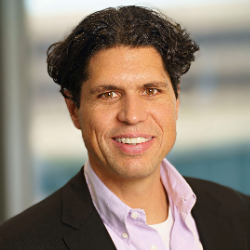 Johannes C. Hermann, PhD, CTO, Frontier Medicines
Chief Technology Officer
Frontier MedicinesJohannes Hermann is an early pioneer in AI-driven drug discovery, with over a decade of leadership experience across healthcare and pharmaceuticals. As CTO of Frontier Medicines, he is building Frontier's Covalent AI platform—purpose-built AI systems powered by the company's proprietary Covalent Ground Truth (CoGT) dataset—to discover breakthrough drugs against historically undruggable targets. Previously, Johannes served as global head of data science at Johnson & Johnson Medical Devices Technology, integrating AI into digital surgery, patient rehabilitation, and personalized treatment. At Janssen Pharmaceuticals, he led machine learning and advanced analytics across the full pharmaceutical value chain. He began his career at Roche as a data scientist and drug designer, and holds a PhD in quantum and molecular mechanics from the University of Düsseldorf, with postgraduate work at the University of Bristol and UC San Francisco.
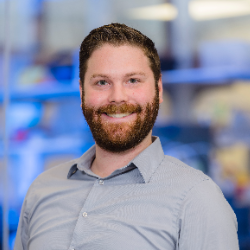 Ryan Holmes, PhD, Associate Director, Chemistry, Prelude Therapeutics Inc.
Associate Director
Prelude Therapeutics Inc.Ryan Holmes, PhD, is an Associate Director of Chemistry at Prelude Therapeutics, where he leads discovery efforts focused on next-generation antibody drug conjugates (ADCs). His team applies a medicinal chemistry approach across all aspects of ADC development, including payload design, linker optimization, and bioconjugation strategies. Contributing to multiple oncology discovery programs, he has supported key decisional milestones across diverse therapeutic modalities, including the identification of the clinical candidate PRT3645. He earned his Ph.D. at Yale University investigating the total synthesis of complex marine natural products and is an inventor on multiple patents and publications in medicinal chemistry and targeted therapeutics.
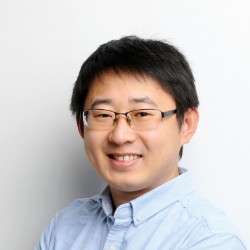 Dominic Hou, PhD, Vice President, Discovery, KisoJi Biotechnology Inc.
VP
Kisoji Biotechnology IncDominic Hou, PhD, is Vice President of Discovery and Platforms at KisoJi Biotechnology Inc., where he leads antibody discovery, engineering, preclinical development, and AI-driven design. He has over eight years of experience advancing antibody programs and building proprietary platforms including KisoMouse, KisoSeek, and KisoBody. His work focuses on integrating paratope mapping and AI to enable high-precision functional antibody discovery, contributing to programs such as the anti-TROP2 candidate KJ-103. Dr. Hou holds a PhD in Human Genetics from McGill University and is an inventor on multiple antibody therapeutics patents.
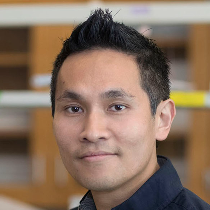 Ken Hsu, PhD, Stephen F. and Fay Evans Martin Endowed Associate Professor, Department of Chemistry, The University of Texas at Austin
Associate Professor, Stephen F. and Fay Evans Martin Endowed Professorship, CPRIT Scholar
University of TexasProf. Hsu earned his PhD in Chemistry and Biochemistry from The University of Texas at Austin and completed his postdoctoral training at The Scripps Research Institute. The Hsu Laboratory focuses on the discovery of bioactive molecules. A central theme of the group is the development of covalent probes and inhibitors for investigating protein and lipid activity. Research in the group is multidisciplinary and uses a combination of organic synthesis, bioanalytical chemistry, and bioorganic chemistry. Current efforts include identifying new reactive chemistry, quantifying ligandability of proteins on a proteomic scale, and deciphering structure and function of membrane signals in living systems. Ultimately, the goal is to develop new molecules to enable chemical biology and therapeutic discovery. Prof. Hsu’s research program has been recognized by several awards including the highly competitive NIH K99/R00 Pathway to Independence Award, Department of Defense CDMRP Career Development Award, Melanoma Research Alliance Young Investigator Award, the NSF CAREER Award, the Emerging Leader Award from The Mark Foundation for Cancer Research, and CPRIT Recruitment of Rising Stars Award.
 Peter L. Hsu, PhD, Principal Scientist, Structural Biology, Genentech Inc.
Senior Principal Scientist
Genentech IncI did my PhD at the University of Washington with Dr Gabriele Varani, studying the biochemical and structural basis of transcription termination. Following my PhD, I joined the lab of Dr Ning Zheng in the Department of Pharmacology also at the University of Washington for postdoctoral training in crystallography and cryoEM. During my time in the Zheng Lab, I determined the structure of the yeast COMPASS H3K4 histone methyltransferase bound to ubiquitinated nucleosomes, bringing a structural understanding to a highly conserved signaling pathway conserved in eukaryotes. Upon completion of my postdoc, I joined Genentech as a Principal Scientist and group leader, where my lab supports both the drug discovery and research portfolios.
 Ching-Pei Hsu, Research Scientist, Chemistry, Massachusetts Institute of Technology
PhD Candidate
Massachusetts Institute of TechnologyChing-Pei Hsu was born and raised in Taipei, Taiwan. He received his B.S. and M.S. degrees in Chemistry from National Taiwan University (NTU), where he studied main-group organometallic chemistry with Prof. Ching-Wen Chiu. In 2021, he joined Prof. Jin-Quan Yu’s laboratory at The Scripps Research Institute (TSRI) as a visiting student, where he worked on copper-mediated C–H functionalization. In 2022, he began his Ph.D. at Massachusetts Institute of Technology (MIT) under the guidance of Prof. Bradley Pentelute, where he applies his synthetic chemistry background to therapeutic development. His research focuses on developing encoded library platforms for hit discovery against oncology targets and high-throughput catalysis enabling late-stage modification of peptides and small-molecule drugs.
 Dennis Hu, PhD, CEO, Drug Hunter Inc.
CEO
Drug HunterDennis X. Hu, PhD, is the founder and CEO of Drug Hunter, a modern drug discovery intelligence platform serving >200 R&D institutions including most top pharma and biotech companies worldwide. Prior to Drug Hunter, Dennis served as a small molecule team leader both in large pharma (Genentech) and a VC-backed biotech (RAPT), where he contributed to the invention of tivumecirnon (Ph. II, oncology). Dennis earned his PhD in Chemistry from Stanford University, MPhil by Research from the University of Cambridge on a Churchill Scholarship, and a dual BA/MS from Northwestern University as a Goldwater Scholar.
 Rachel Humphrey, MD, President and Founding CEO, Normunity
President and Founding CEO
NormunityRachel Humphrey has over 25 years of experience in clinical drug development, particularly in the field of cancer treatments and immunotherapies. Currently she serves as President and Founding CEO of Normunity, a Boston-based biotech focused on immune-oncology. Highlights of her career include leading the development of multiple blockbuster cancer therapies: the CTLA-4 inhibiting immunotherapy Yervoy® (ipilimumab) at BMS, the PD-L1 inhibiting immunotherapy Imfinzi® (durvalumab) at AstraZeneca, and the kinase inhibitor cancer drug Nexavar® (sorafenib) at Bayer. After working at these big pharmaceutical companies, Rachel took her drug development expertise to emerging biotech companies, where she served in the role of Chief Medical Officer at Black Diamond Therapeutics, CytomX Therapeutics and Mirati Therapeutics, respectively. She previously served on the Board of Directors of CytomX Therapeutics and Xilio Therapeutics, respectively, and currently serves on the Board of Directors of Pyxis Therapeutics and Sporos Bioventures. Rachel started her career as an oncology fellow and staff physician at the National Cancer Institute. She received her training in internal medicine at The Johns Hopkins Hospital, her MD from Case Western Reserve Medical School, and her BA from Harvard University.
 Catherine Hutchings, PhD, Independent Consultant
Consultant
Independent ConsultantCatherine has spent over 29 years acquiring significant depth of experience in antibody drug discovery and platform applications at cutting-edge biotech and pharma companies, such as Cambridge Antibody Technology and Heptares Therapeutics. She has been engaged as an independent consultant for over 10 years, supporting scientific and strategic initiatives to pharma, biotech and investors, with a particular focus on therapeutic antibody discovery targeting complex membrane proteins, such as GPCRs, ion channels, transporters; immuno-oncology; platform positioning; and target/product evaluation. Catherine graduated with BSc Hons in Genetics and Cell Biology from University of Manchester, UK, and a PhD in Biochemistry and Applied Molecular Biology from UMIST, UK.
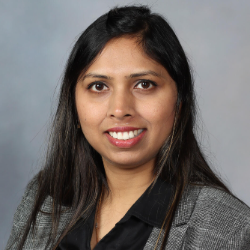 Sonia Jain, PhD, Research Associate, Mayo Clinic & Foundation
Research Associate
Mayo Clinic & FoundationDr. Sonia Jain is a researcher focused on the discovery and preclinical evaluation of targeted therapeutics for glioblastoma. In her current role, she works on both antibody-drug conjugates and aptamer-drug conjugates for GBM, with an emphasis on how delivery strategy, molecular design, and the brain microenvironment shape efficacy and toxicity. Her research includes studies of EGFR-targeted conjugates delivered by convection-enhanced delivery, including analyses of brain pharmacokinetics, linker stability, and treatment-related neurotoxicity. Prior to this work, Dr. Jain’s research experience spanned immuno-oncology, autoimmune disease, and vaccines and adjuvants, providing a broad translational foundation for her current efforts to develop safer and more effective therapies for brain tumors.
 Vibha Jawa, PhD, CSO, Epivax Inc.
Chief Scientific Officer
Epivax Inc.Vibha brings more than 20+ years of experience in supporting biologics, vaccine development, and gene therapy with contributions to multiple IND, BLA, and MAA filings. She is a recognized leader in the area of Bioanalysis and Immunogenicity with more than 50 peer-reviewed publications. In her current role as an Executive Director for Biotherapeutics Bioanalysis at Bristol Myers Squibb, Vibha is responsible for leading biotherapeutic and cell therapy bioanalytical (BA) functions.
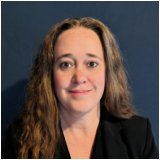 Rachael Jetson, Director of DEL, Discovery Biology, HitGen Inc.
Director of DEL
HitGen Inc.Rachael Jetson is the Director of DEL at HitGen where she supports their client programs and helps advance their internal technologies. She received her PhD in medicinal chemistry in 2013 focusing on the total synthesis of natural product derived compounds for the treatment of hormone responsive cancers. Following her PhD, Rachael focused her career on early drug discovery techniques with a particular interest in DNA-encoded libraries (DELs). She worked at Purdue University focusing on directed DEL technologies, then X-Chem Pharmaceuticals working on a broad range of DEL targets for numerous collaborators, then Valo Health overseeing their HTS, protein science, and DEL platforms.
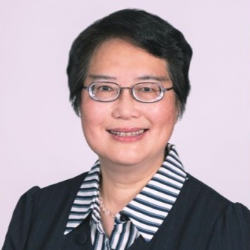 Lijuan Jiang, PhD, Vice President, Drug Metabolism, Pharmacokinetics & Bioanalysis, ENANTA Pharmaceuticals, Inc.
Vice President
ENANTA Pharmaceuticals Inc.As Vice President in charge of DMPK, Bioanalysis, and Pharmacology, Dr. Li-Juan Jiang has been directing cross-functional teams in support of drug discovery and development programs at Enanta. She has successfully led or played an important role in numerous projects (including antibacterial, antivirals, immunology, and metabolic diseases, etc.) from initial compound screening, lead identification and optimization, to IND filing, Phase I, Phase II, Phase III trials and/or up to global registration and commercialization. Dr. Jiang has been Project Leader of multiple collaborations with major pharmaceutical companies. In addition, she has extensive experience with evaluation and oversight of external resources including academic and commercial contract labs.
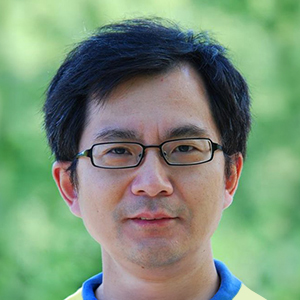 Xiaofeng Jiang, PhD, Senior Scientist, EMD Serono
Senior Scientist
EMD SeronoDr. Xiaofeng Jiang is a Senior Scientist at EMD Serono, part of Merck KGaA. He applies functional genomics approaches—particularly CRISPR-based genome editing—to support target discovery and validation, elucidate mechanisms of action, and investigate drug resistance in oncology and immuno-oncology.
 Haihong Jin, PhD, CSO, VitsGen
CSO
Vitsgen TherapeuticsHaihong Jin is Chief Scientific Officer of Vitsgen Therapeutics and Viwit Pharmaceuticals. She is running both Radioligand Therapy and Cell Therapy. She has more than 25 years of experience advancing therapies across oncology, metabolic disease, CNS and inflammation. She has discovered the first-in-class tryptophan hydroxylase (TPH) inhibitor, XERMELO for non-constipating irritable bowel syndrome which was approved in 2017. Meanwhile, she has invented the Acyl-CoA Synthetase 5 Inhibitor (LX985) which is entering an Exclusive License Agreement with Novo Nordisk. Recently her paper "Acyl-CoA Synthetase 5 Knockout and Inhibitors Protect Against Diet-Induced Obesity in Mice by Activating the Ileal Brake†has been selected as the Journal of the Endocrine Society Featured Article.
Her recent work centers on emerging therapeutic platforms, including AI based miniprotein design for precision targeting. She is particularly interested in radionuclide strategies to create more selective and effective treatments. Under her leadership, Vitsgen has completed two potential Best-in Class IND enabling studies and the third project is entering preclinical study. Vitsgen is launching First-in-Class projects through an AI-based approach.
 Diane M. Joseph-McCarthy, PhD, Professor of the Practice, Biomedical Engineering, Boston University
Professor
Boston UniversityDiane Joseph-McCarthy is the Executive Director of the Bioengineering Technology & Entrepreneurship Center and Professor of the Practice in Biomedical Engineering at Boston University. Prior to that, she was a life science executive with over 20 years of drug discovery, development, and leadership experience. She was SVP of Discovery & Early Development at EnBiotix, a bioengineering company focused on respiratory and rare disease. She was an Associate Director at AstraZeneca, where she led a global team in infectious disease. At Wyeth, she held positions of increasing responsibility. Diane received her PhD from MIT and was a postdoctoral fellow at Harvard University/Harvard Medical School. She is a fellow of the American Institute for Medical and Biological Engineering.
 Petrina Kamya, PhD, Global Head of AI Platforms & Vice President, Insilico Medicine; President, Insilico Medicine Canada
Global Head of AI Platforms, VP
Insilico Medicine, CanadaPetrina Kamya, PhD, is the Head of AI Platforms and President of Insilico Medicine, Canada an end-to-end artificial intelligence-driven drug discovery company. Before joining Insilico, Dr. Kamya spent eight years in various roles at Chemical Computing Group that involved scientific and business-related aspects of preclinical drug discovery. In addition to establishing the corporate strategy for the sales and business development of molecular modeling software for academia, she also played an active role as an application scientist working on real-world discovery projects and finally in a senior role in strategy and business development for pharma and biotech companies. Following her time at CCG, Petrina moved to Certara as a Market Access Manager, where she learned first-hand the challenges of getting drugs to market. Petrina has been with Insilico Medicine since August 2020. She holds a PhD in Chemistry (specializing in computational chemistry) from Concordia University.
 H. Ümit Kaniskan, PhD, Associate Professor, Laboratory of Dr. Jian Jin, Pharmacological Sciences, Icahn School of Medicine at Mt. Sinai
H. Ãœmit Kaniskan, PhD, Associate Professor, Laboratory of Dr. Jian Jin, Pharmacological Sciences, Icahn School of Medicine at Mt. Sinai
Associate Professor
Icahn School of Medicine at Mount SinaiH. Ümit Kaniskan is an Associate Professor in the Department of Pharmacological Sciences and Associate Director of Mount Sinai Center for Therapeutics Discovery at the Icahn School of Medicine at Mount Sinai. He earned his PhD in organic chemistry at Case Western Reserve University under the supervision of Dr. Philip Garner. During his doctoral study, he completed the formal total synthesis of Bioxalomycin ß2 and Cyanocycline A. He then pursued his postdoctoral studies in Dr. Movassaghi's group at Massachusetts Institute of Technology (MIT), while working on the synthesis of Myrmicarin alkaloids. In January 2013, Dr. Kaniskan joined Dr. Jin's laboratory at the University of North Carolina at Chapel Hill and later at the Icahn School of Medicine at Mount Sinai as a postdoctoral researcher in the Department of Pharmacological Sciences. His research focuses on the targeted protein degradation (TPD), development of inhibitors of protein methyltransferases as well as biased ligands of G protein-coupled receptors, in efforts to discover innovative therapeutics for the treatment of human diseases including cancer and brain disorders. Dr. Kaniskan has published more than 40 peer-reviewed papers is also an inventor of 9 published international patent applications.
 Terrence P. Kenakin, PhD, Professor, Pharmacology, University of North Carolina at Chapel Hill
Prof
University of North Carolina at Chapel HillBeginning his career as a synthetic chemist, Terry Kenakin received a PhD in Pharmacology at the University of Alberta in Canada. After a postdoctoral fellowship at University College London, UK, he joined Burroughs-Wellcome as an associate scientist for 7 years. From there, he continued working in drug discovery for 25 years first at Glaxo, Inc., then Glaxo Wellcome, and finally as a Director at GlaxoSmithKline Research and Development Laboratories at Research Triangle Park, North Carolina, USA. Dr. Kenakin is now a professor in the Department of Pharmacology, University of North Carolina School of Medicine, Chapel Hill. Currently he is engaged in studies aimed at the optimal design of drug activity assays systems, the discovery and testing of allosteric molecules for therapeutic application, and the quantitative modeling of drug effects. In addition, he is Director of the Pharmacology graduate courses at the UNC School of Medicine. He is a member of numerous editorial boards, as well as Editor-in-Chief of the Journal of Receptors and Signal Transduction. He has authored numerous articles and has written 10 books on pharmacology.
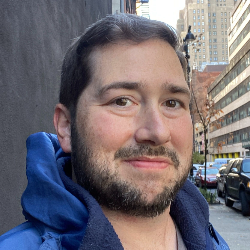 Ian Kerman, MS, Senior Developer Relations Manager, Life Science Data Platforms, NVIDIA
Sr. Developer Relations Manager
NVIDIAIan Kerman is a Senior Developer Relations Manager at NVIDIA, where he works across software platforms, developers, and research teams to apply AI and accelerated computing to target identification, laboratory informatics, and data-driven drug discovery. Having begun his career working directly in the laboratory, Ian brings a scientist-first perspective to enabling data and software ecosystems that support modern discovery workflows, from AI-driven modeling and virtual screening to integration with experimental systems such as high-content assays and emerging in vitro models. With over 15 years of experience spanning machine learning, scientific informatics, and data science, he focuses on connecting advanced computing approaches with biological and chemical data to inform real-world discovery decisions.
Before NVIDIA, he served as a Data Science and AI Client Solutions Architect at Certara. He held roles at LabVoice and BIOVIA, where he worked on scientific software, customer enablement, and digital lab transformation. Ian is a frequent speaker and educator in the life sciences community and holds graduate degrees in Computer Science and Biology, with undergraduate training in Bioinformatics and Molecular Biology.
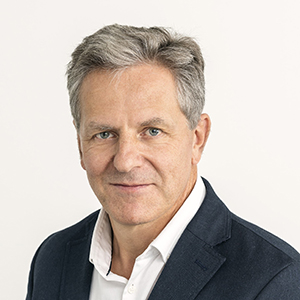 Randolf Kerschbaumer, CEO, OncoOne
CEO
OncoOneRandolf Kerschbaumer, CEO of OncoOne, is a pharmaceutical and biotech executive with more than 25 years of experience in research and development of novel therapeutics. He acquired detailed knowledge of the entire drug development process, from early drug screening to clinical development, in the areas of oncology, inflammation and hematologic disorders. As co-founder and CEO, he built OncoOne into a revenue-generating biotech company with a global network of collaborations and partnerships. He obtained a degree in biotechnology and a PhD in molecular biology at the University of Life Sciences, Vienna, Austria.
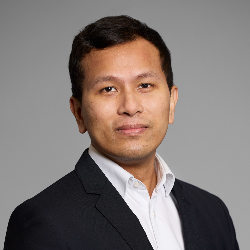 Irsyad Khairil, PhD, Co-Founder & CTO, Valink Therapeutics
CoFounder & CTO
Valink Therapeutics LtdIrsyad holds a DPhil in protein biochemistry and engineering from the University of Oxford, where he developed protein assembly technologies. He is now co-founder and CTO of Valink Therapeutics in London, where he leads the development and deployment of a high-throughput discovery platform focused on enabling novel bispecific ADCs and advancing next-generation bispecific modalities.
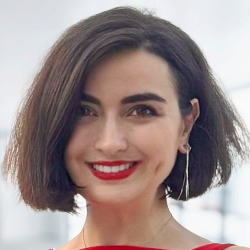 Fariba Khanshan, PhD, Director, PK/PD/PMX, AstraZeneca
Director
AstraZenecaFariba Khanshan is Director of Radioconjugates PK/PD/PMX at AstraZeneca, leading translational strategies that accelerate radioligand therapies from discovery to clinical impact. She focuses on integrating PK/PD, AI-driven modeling, dosimetry, and systems pharmacology approaches to optimize dose selection and improve patient outcomes in precision oncology.
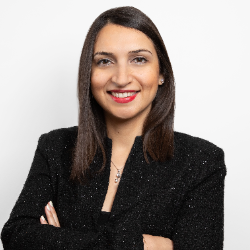 Parastoo Khoshakhlagh, PhD, Co-Founder & CEO, GC Therapeutics
Co-Founder & CEO
GC Therapeutics
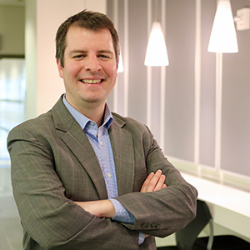 Andy Kilianski, PhD, CTO, Quantitative Biosciences Institute, University of California San Francisco
Chief Technology Officer
University of California San FranciscoDr. Andy Kilianski is the Chief Technology Officer at the UCSF Quantitative Biosciences Institute. At UCSF, Andy leads QBI's technology development pipeline from discovery to product while also developing tools to generate new insights from the data being generated across the Institute and with the Institute's partners. Prior to UCSF, Dr. Kilianski was a Program Manager and Deputy Office Director at the Advanced Research Projects Agency for Health (ARPA-H). At ARPA-H Andy built and managed a portfolio of technology investments focused on the intersection of high throughput drug discovery tools and human health translation. In his current and past roles, Dr. Kilianski has been at the cutting edge of countering biological threats by creating national security programs focused on promoting and protecting America’s lead in biotechnology. Before entering public service, Dr. Kilianski was a National Academy of Sciences Fellow with the U.S. Army. He received his Ph.D. in Microbiology and Immunology from Loyola University Chicago where he discovered virus-host interactions necessary for coronavirus pathogenesis.
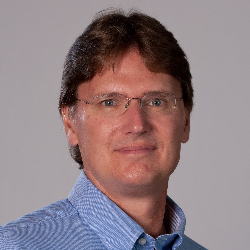 Thomas Kodadek, PhD, Professor, Department of Chemistry, University of Florida, Scripps Biomedical Research
Professor
University of Florida Scripps Biomedical ResearchProf. Thomas Kodadek received his B.S. in Chemistry at the University of Miami (FL) in 1981 and his Ph.D. in Organic Chemistry from Stanford University in 1985. He then pursued postdoctoral studies in the laboratory of Prof. Bruce Alberts at the University of California, San Francisco Medical School from 1985-1987. In the fall of 1987, he joined the faculty of Chemistry & Biochemistry at the University of Texas at Austin, rising to the rank of full professor. In 1998, he moved to the University of Texas Southwestern Medical Center in Dallas where he served as Professor of Internal Medicine and Molecular Biology, as well as the Director of the Division of Translational Research. In June 2009, Prof. Kodadek moved to the Scripps Research Institute campus in Jupiter, FL (now UF Scripps Biomedical Research) where he is Professor of Chemistry. Prof. Kodadek works in the field of chemical biology, which involves the development of chemical tools to monitor and manipulate important processes in biology and medicine. He co-founded Deluge Biotechnologies in 2017 and Triana Biosciences in 2022.
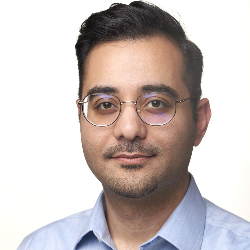 Adem C. Koksal, PhD, Senior Scientific Director, Biologics, Biogen
Senior Scientific Director
BiogenAdem Koksal is a Senior Scientific Director at Biogen, where he leads biologics discovery and tissue-targeted delivery platforms. His work focuses on engineering antibody-based platforms to enable delivery to challenging tissues, including the brain and muscle. He integrates antibody discovery, protein engineering, and translational pharmacology to advance biologics and oligonucleotide-based therapeutics, and has defined platform strategies for targeted delivery across multiple disease areas.
 Tanuja Koppal, PhD, Senior Conference Director, Cambridge Healthtech Institute
Senior Conference Director
Cambridge Healthtech Institute
 Deepash Kothiwal, PhD, Principal Scientist and Team Lead, Antibody Discovery and Library Design, Institute for Protein Innovation
Sr Scientist
Institute for Protein InnovationI am a Principal Scientist and team leader at the Institute for Protein Innovation in Boston, where I lead antibody discovery and library design efforts. I bring over a decade of experience in yeast genetics and molecular biology, with a focus on developing advanced Fab and VHH display platforms, including biparatopic technologies. My work has enabled the creation of synthetic libraries that consistently yield high-affinity, developable antibodies against complex cell surface proteins, including GPCRs. I completed my PhD at the Indian Institute of Science and pursued postdoctoral research at Harvard Medical School, studying RNA polymerase II regulation. I am passionate about integrating experimental and computational approaches to accelerate biologics discovery.
 Dima Kozakov, PhD, Director, AI/Physics in Drug Discovery, The University of Texas at Austin
Director
UT AustinDima Kozakov received an MS in Applied Mathematics and Physics at the Moscow Institute of Physics and Technology, and PhD in Biomedical Engineering at Boston University. Currently he is the Associate Professor in the Department of Applied Mathematics at Stony Brook University, Affiliate Member at Laufer Center for Physical and Quantitative Biology, and Affiliate Member at Institute of Advance Computational Sciences. Before joining Stony Brook he held a research faculty position at Boston University. Dr. Kozakov is interested in method development for modeling of biological macromolecules, with emphasis on molecular interactions and drug design. Dr. Kozakov’s approaches, PIPER for protein docking and FTMap for hotspot identification, are heavily used in the pharmaceutical industry and are consistently top-performing in blind molecular modeling completions.
 Mackenzie Krone, PhD, American Cancer Society Postdoctoral Fellow, Laboratory of Dr. Craig Crews, Yale University
American Cancer Society Postdoctoral Fellow
Yale UniversityMackenzie (Mack) is an American Cancer Society Postdoctoral Fellow currently working in the laboratory of Dr. Craig Crews at Yale University. After completing his undergraduate studies at Hendrix College, Mackenzie received his PhD in Chemistry from the University of North Carolina at Chapel Hill, where he studied the molecular recognition of histone post-translational modifications in the laboratories of Dr. Marcey Waters and Dr. Eric Brustad. Mackenzie is currently investigating novel approaches to chemically induced protein-protein interactions for therapeutic benefit.
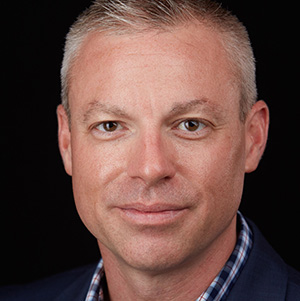 Neil Kubica, PhD, Therapeutics Division Lead, General Inception
Therapeutics Division Lead
General InceptionNeil is a biopharma executive, co-founder, and board member with deep experience in organizational leadership and company building. He started his career at the Novartis Institutes of BioMedical Research (Cambridge, MA), where he established and co-led the effort to target RNA biology with small molecules. Neil then served as the Director of RNA Biology at Arrakis Therapeutics, where he led the platform-building efforts that were the cornerstone of the company's Series B financing and pharma partnerships with Roche and Amgen. Neil was VP, Head of Platform Development at Alltrna, where he co-invented a novel oligonucleotide modality based on engineered tRNAs as a universal medicine for premature termination codon mutations across thousands of human diseases. His company-building efforts resulted in a Series A financing from Flagship Pioneering and set the stage for a Series B raise to advance the organization's first drug candidates to the clinic. Neil served as CSO at Ananke Therapeutics and subsequently co-founded Verto Therapeutics to discover and develop selective mRNA translation modulators for genetically validated targets that are traditionally difficult to drug using conventional approaches. He is currently the Therapeutics Division Lead at General Inception, a venture studio that partners with technical founders to build world-class companies and deliver innovative medicines to patients in need. Neil earned a BS in Biology from James Madison University and a PhD in Molecular & Cellular Physiology from Penn State University. He was an American Cancer Society Postdoctoral Fellow in the Department of Cell Biology at Harvard Medical School.
 Jan Kubicek, CSO & Co Founder, Cube Biotech GmbH
CSO & Co Founder
Cube Biotech GmbHDr. Jan Kubicek holds a PhD in biology from the University of Duesseldorf/Helmholtz Research Center Juelich. He continued his work on the crystallization of membrane proteins as a post-doctoral fellow in Juelich. In 2006, he joined Qiagen where he was responsible for product development of recombinant protein expression, purification, and crystallization products. In cooperation with Prof. Joerg Labahn (now Centre for Structural Systems Biology (CSSB) at the DESY in Hamburg), he developed the Controlled in Meso Phase Crystallization (CIMP) method for the crystallization of membrane proteins.
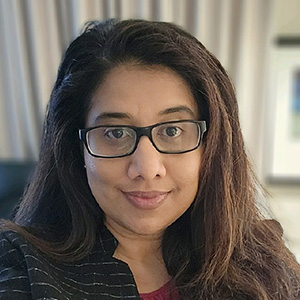 Lakshmi Kuttippurathu, PhD, Scientific Advisor Board Member, Computational Biology & Data Sciences, Bioscope AI
Scientific Advisory Board Member
Bioscope AILakshmi is a scientific leader with nearly 20 years of experience at the intersection of computational biology, AI, and translational science, spanning both academia and industry. She brings deep expertise in modeling complex biological systems, designing algorithms, and building platforms that integrate diverse data to accelerate therapeutic target discovery. In her most recent role, she spearheaded computational strategies for AI-enabled target discovery, delivering scalable solutions that influenced research direction and decision-making. Beyond her scientific and leadership contributions, Lakshmi is passionate about mentoring and fostering a positive, inclusive, and interdisciplinary scientific community, helping nurture the next generation of researchers.
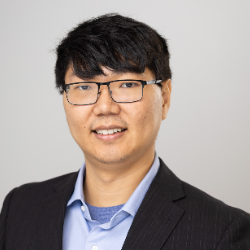 Wankyu Lee, PhD, Industry Research Analyst, Drug Hunter
Industry Research Analyst
Drug HunterWankyu Lee is a Senior Research Scientist at AstraZeneca in Discovery Sciences. He obtained his PhD at MIT in JoAnne Stubbe's lab before performing a postdoc at Pfizer under the guidance of Hua Xu. He spent one year at Dewpoint Therapeutics, performing target validation and engagement studies in applications for biomolecular condensates. His current research focus at AstraZeneca is on targeted proteomics, assay development, and high throughput implementation of proteomics, especially in the context of covalent compounds and degraders, molecular glues.
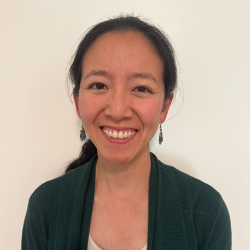 Bianca Lee, PhD, Director, Experimental Systems Biology, Revolution Medicines
Director
Revolution MedicinesBianca Lee joined Revolution Medicines in 2017 and is currently a director on the Discovery Biology team. She received her PhD in Biomedical Sciences from the University of California, San Francisco and BA in Molecular and Cell Biology from the University of California, Berkeley.
 Yi Lei, Senior Manager, TIDES Discovery Project Management, TIDES, WuXi AppTec
Senior Manager, TIDES Discovery Project Management
WuXi AppTecYi Lei is currently a Project Manager at WuXi TIDES. Prior to joining WuXi TIDES, she worked at Sanofi mRNA Center of Excellence, where she led the effort to establish a robust gene synthesis workflow and at Eurofins Genomics, where she managed oligonucleotide synthesis. She earned her PhD from the University of Georgia in 2019 with research focused on chemically modified DNA aptamer discovery via SELEX.
 Jeff Leyton, PhD, Associate Professor, Pharmaceutical Sciences, University of Ottawa
Associate Professor
University Of OttawaDr. Jeffrey Leyton is an Associate Professor in the School of Pharmaceutical Sciences at the University of Ottawa, where his research bridges oncology, immunology, and artificial intelligence to reimagine how cancer therapies are designed. His career is rooted in engineered antibody fragments for PET tumor imaging and precision drug delivery technologies that maximize therapeutic accumultion in tumor cells. Dr. Leyton's laboratory now harnesses machine learning to decode tumor cell biology to translate those insights into the rational development of next-generation antibody-drug conjugates.
 Jing Li, PhD, CEO, VelaVigo
CEO
VelaVigoDr. Li is the founder and CEO of VelaVigo. Prior to founding VelaVigo, he served as Senior Vice President in WuXi Biologics. Before joining WuXi Biologics, he worked for Novartis Biologics Center as Senior Manager of Portfolio & Alliance Management. Before that, he worked for Novartis Oncology as Lab Head and Program Team Head. Prior to Novartis, he worked for Wyeth (now Pfizer) as Senior Scientist and Project Leader.
Dr. Li received his M.D. and Ph.D. degrees in molecular immunology and oncology from Peking University Health Science Center (the former Beijing Medical University), and MBA degree from Yale University School of Management. He completed his postdoctoral training at Tufts University. With over 25 years of professional experience in antibody engineering and more than 20 years of industry experience in the drug discovery and development field. He is a member of AACR (American Association for Cancer Research), ASCO (American Society of Clinical Oncology) and FOCIS (Federation of Clinical Immunology Societies). Dr. Li has filed over 70 patent applications and authored more than 20 publications.
 Pengpeng Li, PhD, Principal, Lilly Asia Ventures
Principal
Lilly Asia VenturesPengpeng Li is a Principal with Lilly Asia Ventures (LAV) since 2022 focusing on biotech investments. Prior to joining LAV, Pengpeng was at 5AM Ventures focusing on company creation and early-stage biotech investments. Pengpeng holds a PhD in Neuroscience from Stanford University and BS in Biology from Peking University.
 Tianbo Li, PhD, Principal Scientist, Drug Discovery, Genentech Inc.
Senior Principal Scientist
Genentech IncDr. Tianbo Li is a Senior Principal Scientist at Genentech (Roche) with broad expertise in membrane proteins research and drug discovery. He earned his PhD in Pharmacology from Peking Union Medical College in 2004 and did his postdoctoral fellowship at Yale University Medical School. Dr Li has published 43 peer-reviewed manuscripts, including papers in Cell, Nature, and JGP. Since joining Genentech in 2014, he has led in vitro pharmacology efforts for many drug discovery programs targeting ion channels, GPCRs and other membrane proteins. His group is specialized in developing biochemical, electrophysiological and cellular high throughput assays to understand target biology, mechanism of actions of ligand target regulation to advance earlier drug discovery to clinical candidate development.
 Michael Liebman, PhD, Managing Director, IPQ Analytics, LLC
Managing Dir & Co Founder
IPQ Analytics LLCMichael N. Liebman, PhD (theoretical chemistry and protein crystallography) is Managing Director of IPQ Analytics, LLC and CSO of United Cancer Centers after serving as Executive Director of the Chan Soon-Shiong Institute for Molecular Medicine. He is Adjunct Professor of Pharmacology and Physiology, Drexel College of Medicine and Adjunct Professor of Drug Discovery, Wenzhou Medical University and Fudan University. He serves on the Advisory Board for the Center of Biomedical and Health Research, University of Massachusetts (Lowell). Previously, he was Director, Computational Biology and Biomedical Informatics, University of Pennsylvania Cancer Center. He served as Global Head of Computational Genomics, Roche. He serves on the Board of the Nathaniel Adamczyk Foundation in Pediatric ARDS. Michael chairs Translational Medicine for the PhRMA Foundation and serves on the IUPAC Division on Human Health. His research focuses on computational models of disease that stress complexities of real-world patients and real-world clinical practice utilizing systems-based approaches for representation and analysis for pharma and healthcare. Current application areas include: multiple sclerosis, heart failure, and a focus on women’s health: triple negative breast cancer, hypertension and hypertensive disorders of pregnancy, infant-maternal morbidity and mortality, perimenopause-menopause transition with an emphasis on underserved populations and health disparities.
 Ken Lin, CEO & Founder, ABIES Capital
CEO & Founder
ABIES CapitalKen Lin is the CEO and Co-founder of ABIES Capital, a firm focused on innovative healthcare startups and investments. His career trajectory combines deep experience in global asset allocation, fundraising, brand development, and healthcare enterprise management. ABIES Capital employs a dual strategy: managing healthcare VC assets through a Fund of Funds (FoFs) approach—partnering with top-tier U.S. VC firms—while also direct investing in high-potential biotech, medtech, and health tech enterprises. Prior to founding ABIES Capital, Ken spent over a decade in the medical device field, holding management roles at industry leaders Medtronic and Biotronik in Taiwan. He holds both a Master's degree in Zoology and a Bachelor's degree in Life Science from National Taiwan University. Ken is also certified through the UC Berkeley Haas Venture Capital Executive Education program, is a Certified Financial Planner® (CFP®), and holds the International IBHRE Cardiac Rhythm Management Device Certification.
 Eric Lindberg, PhD, Research Assistant Professor, SUNY Upstate Medical University
Research Assistant Professor
SUNY Upstate Medical UniversityEric Lindberg, PhD, is a research assistant professor in the Department of Surgery at SUNY Upstate Medical University, where he works on small-molecule inhibitors, targeted protein degraders, and antibody-drug conjugates. He trained in chemical biology at Osaka University and the University of Geneva and spent several years at the National Institutes of Health, where he contributed to the discovery of selective inhibitors and PROTAC degraders of the kinase LZK for head and neck and esophageal cancer. His current work focuses on extending kinase degrader chemistry into conjugate formats, including linker design and payload release.
 Jing Liu, PhD, Senior Vice President of Platform Chemistry, Cullgen, Inc.
Sr. VP
Cullgen Inc.Dr. Jing Liu is a Senior Vice President of Platform Chemistry at Cullgen, a company dedicated to the development of novel approaches for targeted protein degradation and therapeutics for cancer and immune diseases. Dr. Liu is an experienced medicinal chemist with expertise in small-molecule drug discovery and protein degradation technologies. Prior to joining Cullgen, Dr. Liu was Assistant Professor in the Department of Pharmacological Sciences at Icahn School of Medicine at Mount Sinai where his research focused on discovering small-molecule inhibitors and/or degraders targeting kinases, epigenetic modulators, and GPCRs, resulting in over 50 journal articles and over 20 issued patents and published patent applications.
 Xiaoguang Liu, PhD, Professor, Chemical and Biomolecular Engineering, Ohio State University
Professor
Ohio State UniversityDr. X. Margaret Liu is a Full Professor at The Ohio State University (OSU), holding joint appointments in Chemical and Biomolecular Engineering, Biological Chemistry and Pharmacology, and the Comprehensive Cancer Center. Dr. Liu brings over six years of biopharmaceutical industry experience to her academic research, which focuses on developing and engineering targeted therapies, innovative drug delivery platforms, and scalable biomanufacturing for aggressive cancers, including TNBC, NSCLC, and glioblastoma. A prolific innovator focused on translational medicine and commercialization, she holds 11 patents as primary inventor and has successfully licensed three antibodies and ADCs by 2026. At OSU, she also shapes future biopharmaceutical industry leaders through her courses on “Mass Transport†and “Industrial Biopharmaceuticalsâ€.
 Xiaojie Bruce Lu, PhD, Professor & Principal Investigator, Chemical Biology Research Center, Chinese Academy of Sciences
Prof & Principal Investigator
SIMM, CASDr. Xiaojie Lu received his PhD at Brandeis University working on the organocatalytic asymmetric peroxidation reaction of electronic deficient olefins in 2010, then, he joined GlaxoSmithKline for early-stage drug discovery at molecular research department in Boston. As a research investigator, he has been working on the design and synthesis of DNA encoded chemical libraries to identify small molecule ligands for biologically interesting targets. In 2016, Dr. Lu was awarded GSK associate fellow. Since July 2017, he has joined the Shanghai Institute of Materia Medica, CAS as the principal investigator. His current research interest focused on the design and synthesis of DNA encoded focused library for the lead generation of challenge drug targets.
 Donghui Ma, CEO & Founder, DIMA Biotechnology LTD
CEO & Founder
DIMA Biotechnology LTDDr. Donghui Ma is the Founder and CEO of DIMA Biotechnology, where he leads the development of integrated platforms for membrane protein production and antibody discovery. Prior to founding DIMA in 2019, Dr. Ma held senior leadership roles as General Manager and Chief Scientific Officer at biotechnology companies including OriGene, BioCheck, and Juventas, building deep expertise in antibody engineering and membrane protein science.
At DIMA, Dr. Ma has established proprietary Nanodisc platforms that enable the production of hundreds of functional full-length membrane proteins, covering a broad range of GPCR targets. These Nanodisc proteins maintain native conformation and activity and can be used as high-quality antigens for antibody generation. Using these validated antigens and a single B-cell antibody discovery platform, DIMA generated 5,000+ individual recombinant mAbs targeting 500+ drug targets, each supplied as a standalone, fully characterized antibody. By combining Nanodisc-based protein production with single B-cell antibody discovery, DIMA supports efficient and scalable biologics discovery for global biotechnology and pharmaceutical partners.
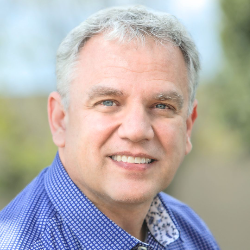 Timothy Machajewski, PhD, Senior Vice President, Head of Research, Pliant Therapeutics
Sr. Vice President
Pliant TherapeuticsTim brings over 25 years of experience in medicinal chemistry and small molecule drug discovery across multiple therapeutic areas including fibrosis, metabolic disease, anti-infectives, and oncology. He joined Pliant in 2018 and during his tenure of roles of increasing responsibility he effectively led cross-functional project teams from target validation to Phase 1 including work on Pliant’s NASH and aVß8/1 oncology programs. In his current role, Dr. Machajewski leads the research team in support of Pliant’s strategic initiatives. Prior to joining Pliant, Tim held leadership roles of increasing responsibility at Chiron, Novartis, and Achaogen where he led and managed teams advancing the companies’ early-stage portfolios into the clinic. Tim received his BS in chemistry (highest honors) from the University of Texas at Austin, his PhD in organic chemistry from Stanford University, and completed postdoctoral studies at The Scripps Research Institute.
 Utpal Majumder, PhD, Senior Scientist, R&D, Eisai
Senior Scientist
EisaiUtpal Majumder is a principal scientist working in Eisai for 15 years. During his tenure in Eisai, he was involved in various discovery projects including peptide drug conjugate (PDC) and antibody drug conjugate (ADC) based drug discovery projects which are currently under clinical evaluations. Dr. Majumder has co-authored several patents and journal articles that have highlighted the successes and some of the challenges associated with PDC- and ADC-based drug developments.
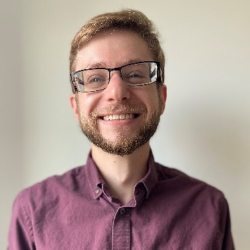 Mark Mantell, PhD, Principal Scientist, DNA-Encoded Libraries, GSK
Principal Scientist
GSKMark joined GSK in 2020 after completing a PhD at the University of Michigan Ann Arbor. He began work with GSK’s DEL platform, specializing in on-DNA reaction development and library production. He has aided in the development of several novel reactions and led the production of several DNA encoded libraries and library families. Additionally, he led the development of the chemistry arm of the on-DNA Binding Confirmation platform at GSK.
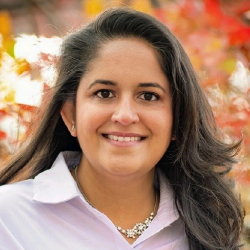 Hetal D Marble, PhD, CBO, Immuto Scientific
CBO
Immuto ScientificDr. Hetal Marble is Chief Business Officer for Immuto, a company pioneering the use of conformational target discovery to drive an ADC-focused pipeline for intractable tumors. Dr. Marble has had varied and extensive experience leading life science businesses. She led diagnostic product management at Quanterix Corporation, where she launched Quanterix’s first diagnostic test for Alzheimer’s disease. She also led companion diagnostics and biomarker development for the Center for Integrated Diagnostics at MGH where she worked to translate novel technologies into clinical practice and led precision biomarker strategies for clinical trials. Prior to her work at MGH, Hetal worked in business development, alliance management, and strategic product marketing for both Promega Corporation and Pall Biotech (a Danaher company). Dr. Marble is foundationally an experienced research scientist – she received her Ph.D. at Brown University, where her graduate work focused on development of biomarkers for lineage-specific stem cell differentiation - she is the holder of two U.S. patents emerging from that work.
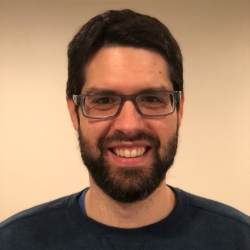 David Marcoux, PhD, Senior Director, Chemistry, Triana Biomedicines Inc.
Senior Director
Triana Biomedicines Inc.David is a team oriented medicinal chemist and program leader with experience in multiple Therapeutic Area at large corporations and start-up. He has co-led programs from hit finding plan, through chemotype triage and delivery of progressible chemotypes, to the delivery of clinical candidates. He has been a member of teams delivering 6 clinical candidates including udifitimod studied in phase 2. David is a co-inventor on 23 patent applications and a co-author of 24 scientific publications. He is currently Senior Director of Chemistry at TRIANA Biomedicines, where he leads a team of chemists program co-leads unlocking the full potential of molecular glues to develop precision medicines and transform patient lives.
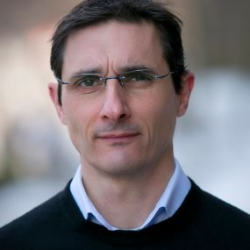 Alessandro Mascioni, PhD, Director, Targeting Technology Research, Telix Pharmaceuticals
Director - Telix Targeting Technologies
Telix Pharmaceuticals LtdOversees preclinical discovery, providing strategic leadership across programs from target identification through early development. An antibody engineer by training, with deep expertise in radiopharmaceutical screening and optimization.
 Johnathan Maza, PhD, Postdoctoral Scholar, Jim Wells Lab, Pharmaceutical Chemistry, University of California San Francisco
Postdoc Scholar
Univ of California San FranciscoJohnathan is an HHMI Hanna H. Gray fellow in the laboratory of Prof. Jim Wells at UCSF. Here here is interested in deciphering the molecular underpinnings of protein-protein interactions using photocrosslinking and proximity labeling.
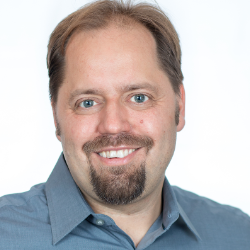 Ralph Mazitschek, PhD, CSO & Co-Founder, Birdwood Therapeutics
CSO & Co-Founder
Birdwood TherapeuticsDr. Mazitschek is an Assistant Professor at Harvard Medical School and Co-Director of the Chemical Biology Platform at the Center for Systems Biology at Massachusetts General Hospital (MGH). Dr. Mazitschek is also Assistant Professor in the Department of Immunology and Infectious Diseases at the Harvard T.H. Chan School of Public Health, and Associate Member of The Broad Institute of Harvard and MIT.Dr. Mazitschek graduated from the University of Leipzig in 2002 with a PhD in Organic Chemistry. He continued his research at the Institute of Chemistry and Cell Biology (ICCB) at Harvard Medical School first as postdoc and later as Institute Fellow, from which he joined the Chemical Biology Program at the newly founded Broad Institute of Harvard and MIT. In 2008 he joined the faculty of the Center for Systems Biology at the Massachusetts General Hospital to continue his independent research.
 Aujan Mehregan, Inside Sales Manager, Nuclera
Inside Sales Manager
NucleraAujan is a structural biologist who enjoys combining engineering and biology, particularly in protein engineering and synthetic biology. Currently, he heads market and business development as the Inside Sales Manager at Nuclera, where he shares Nuclera's innovative protein engineering solutions with scientists and organizations alike, addressing common challenges such as the need for multiple iterations to identify the right expression and solubility conditions for proper protein folding and activity. Aujan promotes the eProtein Discovery platform, a benchtop system that uses cell-free protein expression to accelerate protein synthesis and screening, addressing many of the challenges of traditional methods. Aujan is particularly interested in how the combination of microfluidics and protein engineering can advance synthetic biology, enabling researchers to optimize protein stability, function, and interactions. He is passionate about applying these approaches to areas such as drug discovery, industrial enzyme production, and understanding complex biological systems.
 Jeff A. Messer, Director, Analytics, Encoded Libraries Technology, GlaxoSmithKline
Director, Analytics
GSKMS of Biochemistry from the University of New Hampshire. 20+ years with a foot in the lab and a foot on the carpet doing computation work in support of HTS, Biomarkers and encoded libraries. Currently at GSK in Cambridge, MA where he leads the Biophysics and Analytics groups in support of GSK’s Encoded Library Technology.
 Justin Montgomery, PhD, Director, Machine Learning and Computational Sciences, Pfizer
Director
Pfizer IncJustin obtained his BS in Chemistry from Miami University in Oxford, OH, then earned a PhD in synthetic organic chemistry at the University of Illinois at Urbana-Champaign under Professor Scott E. Denmark. He joined Pfizer medicinal chemistry in 2006 and over the past two decades has worked across antibacterial chemistry, fragment-based drug design, HTS triage, covalent inhibitor design, and protein degrader design. Since 2019 he has developed the analysis tools for, and led the triage of, Pfizer's DNA-encoded library screens. He is a co-inventor on one marketed drug, Litfulo, and on three compounds currently in clinical trials.
 KT Moortgat, PhD, Managing Partner & Founder, Dalena Capital
Managing Partner & Founder
Dalena CapitalKT Moortgat, PhD, is Managing Partner of Dalena Capital, a venture capital firm investing in early-stage biotech companies that are advancing scientific discoveries into novel medicines. With a 20-year career spanning pharma, VC, and biotech, KT brings a rare full-circle view of the business of innovation: as corporate investor heading West Coast VC for AbbVie, a CEO steering a company into Phase 2B trials, as founding director of UCSF and QB3’s life sciences startup hub, and a board advisor to Stanford, Salk, and Immune Boost Capital. She draws on this range of experience to support Dalena's portfolio companies and help drive their corporate and patient value, as they translate scientific promise into therapies that reach the people who need them.
 Zachary S. Morris, PhD, MD, Department Chair and Endowed Professor of Human Oncology, University of Wisconsin Madison
Department Chair and Endowed Professor
University of Wisconsin MadisonDr. Zachary Morris, MD/PhD is the Chair and Paul Harari Professor of Human Oncology at the University of Wisconsin School of Medicine and Public Health. His research lab is focused on the translational investigation of the radiobiology and immunologic effects of radiopharmaceutical therapies and the effective integration of these with immunotherapies.
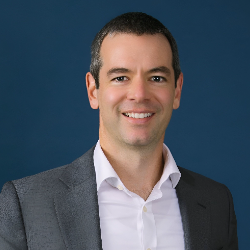 Samuel L. Murphy, PhD, CEO, Salubris Biotherapeutics
CEO
Salubris Biotherapeutics IncSam is currently CEO of SalubrisBio and has worked at SalubrisBio since 2017. Prior to joining SalubrisBio, Sam worked for more than ten years in strategy consulting and transaction advisory services across several global firms, most recently as a Senior Principal at IMS (now IQVIA). Sam’s commercial strategy engagements encompassed 18 of the top 25 pharmaceutical companies, as well as numerous small and mid-sized biotech companies, with an emphasis on business development and market access. Sam completed his PhD in Virology at the University of Pennsylvania and his Post-Doctoral Fellowship in Gene Therapy and Translational Medicine at Children’s Hospital of Philadelphia. Sam currently also serves as Chairman of the Board at GO Therapeutics, and a Board Observer at Mercator Medsystems. Sam was previously Board Director at MedAlliance SA (acquired for up to $1.1B by Cordis) and Viracta Therapeutics (public by reverse merger VIRX). He is an author of >20 peer-reviewed publications and an inventor on several issued patents.
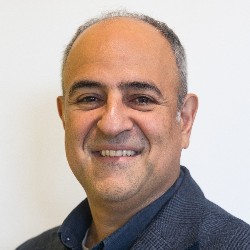 Joe Nabhan, PhD, CSO, K2B Therapeutics
Chief Scientific Officer
K2B TherapeuticsJoe Nabhan is CSO of K2B Therapeutics, where he is leveraging targeted delivery expertise across different therapeutic areas to advance the next frontier in conjugate-based cancer therapy. Having led programs across LNPs, AAV gene therapy, and extracellular vesicles at Pfizer, Astellas, and Vesigen Therapeutics, Joe brings cross-modality breadth to the challenge of tumor-selective payload delivery. He is an inventor on multiple patents spanning drug delivery and gene regulation. He holds a PhD from McGill University.
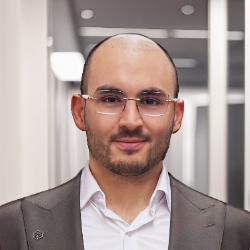 Alan Nafiiev, PhD, CEO & Founder, Receptor.AI
CEO & Founder
Receptor.AIAlan is the Founder and CEO of Receptor.AI, where he leads the development of an AI-native multi-platform ecosystem for peptide and small-molecule induced proximity therapeutics. Under his leadership, Receptor.AI integrates computational planning, de novo molecular design, and experimental strategy into a unified intelligent system to accelerate end-to-end drug discovery.
His work focuses on AI-guided peptide optimization, including target-specific affinity modeling, permeability prediction, and rational design of peptide–drug conjugates and small-molecule conjugates. Alan has initiated and overseen over 40 discovery programs across immunology, oncology, neurology, and induced proximity, partnering with leading pharmaceutical companies in the US, Europe, and Japan.
With a background in computational drug design and data science, he is driving the evolution from standalone predictive tools toward orchestrated AI agentic systems that support strategic decision-making and science in drug discovery. Receptor.AI’s platform has been validated through multiple industrial collaborations and is now used to generate spin-out therapeutic assets rooted in proprietary technological advances.
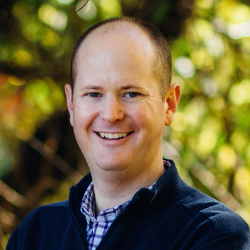 David P. Nannemann, PhD, Vice President, Rosetta Commons Foundation
Managing Member
Rosetta Design GroupDavid is an expert in protein engineering and computational design, with extensive experience applying AI-driven modeling tools in an industry setting. He serves as Vice President of the Rosetta Commons Foundation and Industry Chair on the Rosetta Commons board, helping bridge academic advancements with industry applications. As Managing Member of Rosetta Design Group, he collaborates with companies of all sizes to tackle complex challenges in biologics design. David's deep expertise in leveraging cutting-edge tools like Rosetta, AlphaFold, and diffusion-based models for protein design make him an invaluable guide for participants looking to apply AI-driven biologics design in real-world settings.
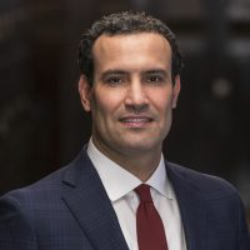 Mahmoud Nasr, PhD, RPh, Assistant Professor, Medicine, Brigham and Women’s Hospital, Harvard Medical School
Assistant Professor
BWH/Harvard Medical SchoolMahmoud Nasr, PhD, RPh., is an assistant professor of medicine at Harvard Medical School and a principal investigator at Mass General Brigham. He is an associate member of the Broad Institute of Harvard and MIT.
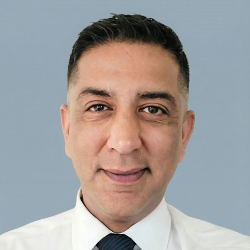 A. Omer Nawaz, PhD, Head, Theranostics and Radiation Science, AstraZeneca
Head of Theranostics and Radiation Science
AstraZenecaDr. Omer Nawaz is the Head of Theranostics and Radiation Science at AstraZeneca and previously served as Vice President of Radiation Science and Molecular Imaging at Fusion Pharmaceuticals prior to its full integration with AstraZeneca. With over 20 years of clinical, academic, and industry experience in radiation medicine and molecular imaging, Dr. Nawaz is recognized for his expertise in radiation medicine, radiopharmaceutical development, medical physics, imaging sciences, and dosimetry, with a focus on alpha emitting isotopes. At Fusion, he led medical physics, imaging, and dosimetry activities across four novel Phase 1 theranostic programs, including three first in human studies, supporting IND clearances, FDA interactions, and advancement of assets into Phase 2 and Phase 3. He has also contributed to business development and due diligence efforts supporting portfolio growth and strategic partnerships.
Prior to joining Fusion, now AstraZeneca, Dr. Nawaz served as Assistant Chief of Medical Physics at the University of Pennsylvania and held academic appointments at Massachusetts General Hospital, Boston University Medical Center, and Thomas Jefferson University Hospital, where he completed his residency.
Dr. Nawaz is board certified by the American Board of Radiology and is an active member of AAPM, ASTRO, and SNMMI. He has authored peer reviewed publications, presented nationally, and serves as an invited reviewer for international journals.
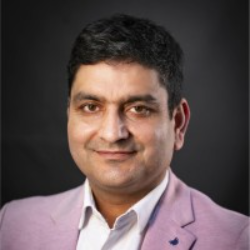 Amit Nayyar, PhD, Senior Director, Xtalpi
Senior Director
XtalpiDr. Amit Nayyar is a distinguished medicinal chemist and drug discovery scientist with over two decades of experience in synthetic and medicinal chemistry. His work has been instrumental in developing life-saving treatments for infectious diseases, cancer, and metabolic disorders. Notably, he played a pivotal role in the development of Pretomanid (PA-824), an FDA-approved drug for treating extensively drug-resistant (XDR) and multidrug-resistant (MDR) tuberculosis. His expertise encompasses multiple therapeutic areas, including oncology, infectious diseases, and kinase inhibitor research. Currently, Amit has started working as Senior director at AI based drug discovery and development company Xtalpi. Earlier, Dr. Nayyar serves as the General Manager at Cohance Life Sciences in Montreal, Canada, where he leads innovative projects in antibody-drug conjugates (ADCs), payload linkers, and novel payload development, advancing targeted cancer therapies. Previously, as a Principal Scientist at Theratechnologies Inc., he contributed to peptide-drug conjugates utilizing SORT1 Technologyâ„¢, optimizing linker chemistry for enhanced stability and efficacy. His efforts resulted in the development of two preclinical candidates awaiting movement to clinic. Dr. Nayyar also served as a Principal Scientist at Paraza Pharma, where he played a key role in protein kinase inhibitor (PKI) programs. His early career included positions at Advanced Molecular Technologies (AMT) in Australia, AMRI Global in Singapore, and the National Institutes of Health (NIH) in Bethesda, USA, where he contributed to tuberculosis drug development in collaboration with the Novartis Institutes for Tropical Diseases. Beyond drug development, Dr. Nayyar has extensive experience in strategic project management, patent filings, and cross-functional collaborations. He has authored multiple patents and high-impact peer-reviewed publications. Dr. Nayyar holds a Ph.D. in Medicinal Chemistry from the National Institute of Pharmaceutical Education and Research (NIPER), India.
 Chris Norn, PhD, Co-Founder & CEO, Skape Bio
Co-Founder & CEO
Skape BioChristoffer Norn, PhD, is Co-Founder and CEO of Skape Bio, a Copenhagen biotech pioneering AI-designed miniprotein therapeutics; Skape Bio’s optical pooled screening combined with state-of-the-art protein design has already delivered first-in-class GPCR agonists and antagonists. Previously, Dr Norn trained in David Baker’s Nobel Prize-winning protein-design lab at the University of Washington, where he co-created the world’s first AI-designed enzyme, self-assembling nanoparticles, and ultrasensitive protein biosensors.
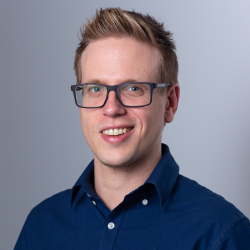 Akos Nyerges, PhD, Research Associate, Department of Genetics, Harvard Medical School
Research Associate
Harvard Medical SchoolDr. Akos Nyerges is an NIH/NIBIB K99-funded research associate at Harvard Medical School. His research focuses on genome synthesis and genetic code engineering for virus resistance, biocontainment, and the production of genetically encoded unnatural polymers. Prior to Harvard, as a Boehringer Ingelheim Fonds Ph.D. Fellow, he developed tools for directed evolution and genome engineering and utilized these tools for rational antibiotic design and biomolecular engineering. Akos’s long-term goal is to merge genome and genetic code engineering with drug development to advance our understanding of the design principles of biological systems and enable therapeutic applications that are not attainable with existing cell-based therapies and biopolymers.
 Evan O'Brien, PhD, Assistant Professor, Biophysics & Biophysical Chemistry, The Johns Hopkins University School of Medicine
Assistant Professor
Johns Hopkins UniversityEvan O’Brien received his bachelor’s degree in chemistry and biochemistry from the University of Pittsburgh, followed by his doctoral work with Dr. Joshua Wand at the University of Pennsylvania. While in Dr. Wand’s lab, Evan focused on using structural and dynamic solution NMR methods to probe lipid-protein interactions and fast-timescale dynamics. His work on dynamics and entropy in well-characterized systems drove his interest in exploring these phenomena with more complex human membrane protein systems. To that end, he started his postdoctoral work with Dr. Brian Kobilka at Stanford University in 2018. His early work in the Kobilka lab involved using various fluorescence techniques to interrogate GPCR dynamics, which resulted in a highly multi-disciplinary effort to characterize how unique Family B GPCR structural properties result in distinct signaling behavior. More recent work in the Kobilka lab has continued to focus on combining biophysical techniques with cryoEM to discover and characterize novel mechanisms of GPCR allosteric modulation using small molecules.
 David O’Connell, PhD, Associate Professor, Biomolecular & Biomedical Science, University College Dublin
Associate Professor
Univ College DublinI am a research scientist who is deeply fascinated by the behaviour of proteins in cells, in living systems and in recombinant engineered systems. The junction of biology, chemistry and physics is of particular interest to me and is manifest in my many collaborative relationships in Europe and the US. I am also a Science Foundation Ireland funded investigator with BEACON, the Bioeconomy Research Centre, that enables me to use my expertise in protein engineering to drive creation of value in the circular economy, ensuring that excellent science creates products and technologies with sustainable properties, and to further enhance the reputation of UCD as Ireland’s number one university.
 Stephen Odaibo, MD, MS, CEO, Deep EigenMatics, Inc.
Founder & CEO
Deep EigenMatics, Inc.Dr. Stephen G. Odaibo is the Founder and CEO of Deep EigenMatics, an AI-driven drug discovery company that secured the #1 global ranking for new U.S. patent families in AI Drug Discovery methods (2025). A physician-scientist, mathematician, practicing retina specialist, and full-stack AI engineer, Dr. Odaibo trained in the Nobel Prize-winning lab of Dr. Robert J. Lefkowitz, where he studied G-protein-coupled receptors (GPCRs) — the primary targets for over a third of all FDA-approved drugs. At Deep EigenMatics, he has built DEEP DISCOVERY, a proprietary platform that fuses receptor biology with advanced AI/ML architectures to design functionally selective small molecules. The company is advancing orally bioavailable GLP-1 leads toward pre-clinical development, with additional pipeline programs in oncology and rare disease. Dr. Odaibo holds a B.S. and M.S. in Mathematics from UAB, and an M.S. in Computer Science and M.D. from Duke University. He serves on the Industry Advisory Board of Duke's Masters of Engineering in Artificial Intelligence.
 Marek Orzechowski, PhD, Managing Director, Computational Therapeutics Discovery LLC
Managing Director
Computational Therapeutics Discovery LLCDr. Marek Orzechowski is the Managing Director at Computational Therapeutics Discovery LLC, a specialized consulting firm that provides computational chemistry and biology services to accelerate early-stage drug discovery. With over 20 years of experience, he is an expert in bridging physics-based approaches, machine learning, and computational biology methods. Prior to his current role, he led computational chemistry efforts at Superluminal Medicines, where he was instrumental in designing a computational chemistry platform for drug discovery. His work supported over $150M venture fundraising, and as a program lead, he directly contributed to a $1.3B collaboration with Eli Lilly. While at the Broad Institute, he developed computational methods for hit and target identification that led to the discovery of new potential MTb therapeutics. During COVID-19, Dr. Orzechowski developed computational workflows to provide data utilized by the FDA for COVID-19 therapeutic evaluations. Dr. Orzechowski holds a PhD in computational chemistry from the Quantum Chemistry Laboratory at the University of Warsaw.
 Rekha Paleyanda PhD, Partner, Rising Tide Strategies LLC
Partner
Rising Tide Strategies LLCRekha Paleyanda, Ph.D. is Partner, Rising Tide Strategies, an advisory firm working with innovative early-stage companies on value creation, strategic partnerships and raising capital. Previously she was VP, Business Development at Molecular Partners, a clinical-stage oncology biotech and Director of Oncology BD at Takeda Pharmaceuticals focused on biologic assets. As a founding Director of Servier BioInnovation, she established the external innovation engine to expand Servier group’s global presence to the US and led business development focused on discovery through clinical proof of concept. Prior to this, she directed the Office of Technology Commercialization at the University of Massachusetts, and oversaw a diverse innovation portfolio at Mass General Brigham as Senior Business Strategy & Licensing Manager. As an entrepreneur, she co-founded a startup AI Biologics, and worked on developing therapeutics for rare genetic diseases at Transkaryotic Therapies (acquired by Shire). She has served on the BoD of WEST and as reviewer for NSF SBIR programs. She holds a Ph.D. in Genetics from the George Washington University in Washington DC and completed a post-doctoral fellowship at the Holland Lab for Biomedical Sciences in Rockville, MD.
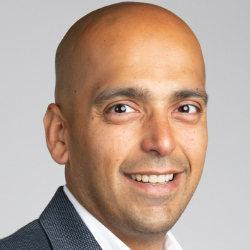 Bhaumik A. Pandya, PhD, Director, Chemistry, Vigil Neuroscience
Sr. Director
Vigil NeuroscienceI was born in Bombay, raised in New Jersey, and trained in Boston. I'm a medicinal chemist and neuroscience enthusiast. Currently, I'm with working on advancing Vigil Neuro's small molecule TREM2 agonists. Prior to Vigil, I've been in the Boston area biotech and pharma ecosystem for 15 years working in small molecule drug discovery. These experiences have been at large companies such as Amgen, Alnylam, and Cubist as well as biotechs like Yumanity and Concert. My projects have been in neuroscience, ion channels, and antibiotics. They have spanned novel target identification, hit generation, lead optimization and development candidate nomination. I’ve been fortunate to work with many talented scientists as a collaborator, mentor, group leader or manager. I obtained my PhD in 2007 from Boston College and my B.S. in 2000 from The College of New Jersey.
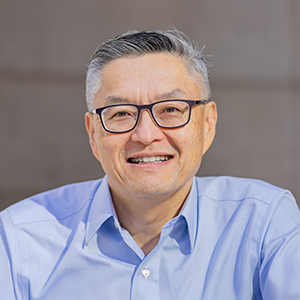 William Pao, MD, PhD, CEO, Revelio Therapeutics
CEO
Revelio TherapeuticsWilliam Pao is a physician-scientist whose career has spanned academia, industry and biotech. He started his career as a thoracic oncologist, lab researcher and clinical investigator at Memorial Sloan-Kettering Cancer Center in New York and then Vanderbilt University in Nashville, where he also served as the Division Chief of Hematology/Oncology. Through senior executive leadership positions at Roche and Pfizer, he oversaw the discovery and development of portfolios of new molecular entities, many of which have been approved, to treat a variety of diseases. He currently is CEO and Co-Founder of a cancer biotechnology company. In addition to serving as an Independent Board Member for Alentis Therapeutics and Immunocore, he is on the Council of Visitors of the Vanderbilt School of Medicine Basic Sciences and he previously served an elected term on the Board of Directors for the American Association for Cancer Research. He is author of the book, Breakthrough: The Quest for Life-Changing Medicines.
Naduni Paranagama, PhD, Postdoctoral Scientist, Novel Platforms, Eli Lilly & Co
Postdoctoral Scientist
Eli Lilly & CoNaduni Paranagama earned her Ph.D. in Chemistry through a joint program between the University of California San Diego and San Diego State University in 2021, where she used enzymatic assays and structural biology to study structure-activity relationships of tRNA modification enzymes involved in t6A and queuosine biosynthesis pathways. She went on to join the protein engineering team at Encodia in San Diego, applying structure-guided library design and high-throughput protein production to characterize protein binders using techniques such as BLI and HTRF, generating data that directly informed down-selection decisions. She is currently a postdoctoral researcher at Eli Lilly in San Diego, where she is developing innovative methods to uncover hidden allosteric networks and pockets in GPCRs to enable next-generation drug discovery.
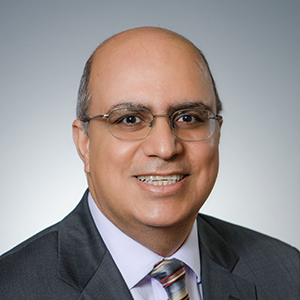 Keykavous Parang, PhD, Professor, Biomedical and Pharmaceutical Sciences, Chapman University
Professor
Chapman UniversityDr. Parang holds the position of Full Professor in Medicinal Chemistry and Pharmacology at Chapman University School of Pharmacy situated in Irvine, California. Additionally, he maintains a dual role as a faculty member within the Department of Chemistry and Biochemistry at the Schmid College of Science and Technology, also part of Chapman University. In a collaborative capacity, Dr. Parang contributes his expertise as an affiliate volunteer faculty member, specifically as a Project Scientist Step III, within the division of Nephrology and Hypertension in the Department of Medicine at the University of California, Irvine. Dr. Parang's academic journey includes earning his PhD in medicinal chemistry from the Faculty of Pharmacy at the University of Alberta in 1997. Following this, he embarked on a postdoctoral study focusing on solid-phase organic synthesis within the Department of Chemistry. He furthered his postdoctoral studies in bioorganic chemistry, undertaking research at Rockefeller University in New York and Johns Hopkins University in Baltimore. His research at the University of Rhode Island commenced in October 2000, where he subsequently ascended to the rank of full professor in July 2008. During his time there, he undertook the role of Program Coordinator for the Rhode Island IDeA Network of Biomedical Research Excellence (RI-INBRE) NIH program from 2012 to 2013. Dr. Parang's contributions to the academic community are evidenced by his authorship of 258 peer-reviewed publications, 24 patents or patent applications, and 201 meeting abstracts. His research pursuits converge at the dynamic crossroads of chemistry and biology, with a particular emphasis on medicinal chemistry, organic chemistry, nanomedicine, and drug delivery. His research activities encompass:
1. Devising Peptides as Agents against Bacterial and Fungal Infections
2. Leveraging Peptide Nanomaterials for the Advancement of Drug Delivery
3. Innovating Inhibitors for Protein Tyrosine Kinases
4. Pioneering the Development of Multifunctional Antiviral Agents
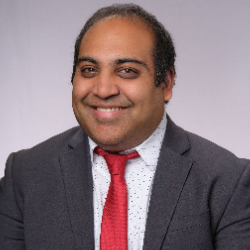 Ravi B. Patel, MD, Assistant Professor and Physician, Radiation Oncology, University of Pittsburgh
Asst Professor and Physician
University of PittsburghRavi B. Patel, MD, Ph.D., is an Assistant Professor at the UPMC Hillman Cancer Center and Director of Radiopharmaceutical therapy in Radiation Oncology, specializing in the study and treatment of skin and genitourinary malignancies. Dr. Patel also maintains an active, translational research laboratory. Dr. Patel is board-certified in radiation oncology. He completed a combined MD/Ph.D. program at Case Western Reserve University. Dr. Patel received both his masters and doctoral degrees in Biomedical Engineering under the mentorship of Dr. Agata Exner and he published 10 manuscripts over the course of his graduate training. Upon completion of medical school, he completed a preliminary medicine internship at Akron General Medical Center followed by a residency in radiation oncology at University Hospitals Cleveland Medical Center. After residency, Dr. Patel joined the Department of Human Oncology at the University of Wisconsin where he was a Benston Translational Research Fellow. During this time, Dr. Patel received several grants and awards for his work including the RSNA Research Fellow Grant, ASCO Young Investigator Award, Immuno-oncology Young Investigator’s Forum Abstract Presentation Award, and an Abstract Travel Award for Society of Immunotherapy in Cancer. Based on his fellowship work, Dr. Patel received an NIH KO8 career development award and joined the faculty at Hillman Cancer Center as a physician-scientist. Since joining Hillman, Dr. Patel has received an NIH R01 award, Head and Neck Cancer SPORE Career Enhancement Award, and he has several industry sponsored clinical trials for which he is a primary investigator. Dr. Patel has published over 46 peer-reviewed manuscripts, 3 book chapters, and presented over 80 abstracts at national meetings.
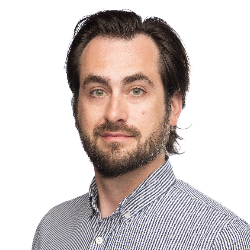 Noel T. Pauli, PhD, Group Leader, Antibody Engineering, Adimab LLC
Associate Director
Adimab LLCNoel Pauli is an Associate Director of Antibody Engineering at Adimab LLC. He joined Adimab in 2015. His research focuses on the generation of antibodies against integral membrane proteins and other difficult targets using immunization, single B cell cloning, and immune library development in both murine and camelid systems. He received his PhD training from the University of Chicago under Patrick Wilson studying the human B cell response to Staphylococcus aureus infection at the resolution of monoclonal antibodies.
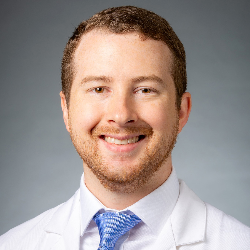 Neil Pfister, MD, PhD, Chief Medical Officer, Research Division, Numenos
Chief Medical Officer
NumenosDr. Neil Pfister, MD, PhD, is the Chief Medical Officer of Numenos AI, bringing a distinguished clinical and research background from Columbia University. A practicing oncologist with deep expertise in the clinical implementation of translational research, Dr. Pfister has spearheaded dozens of clinical phase projects spanning multiple hematologic and solid tumor types. His work centers on novel applications of multiomics technologies for patient selection and stratification, driving measurable improvements in trial success. At Numenos, he bridges the gap between cutting-edge biological insight and real-world clinical execution, ensuring the company's platform translates into meaningful, patient-centered outcomes.
 William Pomerantz, PhD, Professor, Department of Medicinal Chemistry, University of Minnesota, Twin Cities
Professor
University of Minnesota, Twin CitiesWilliam C. K. Pomerantz received his BS in chemistry from Ithaca College in 2002, followed by a Fulbright Fellowship at ETH, Zurich with Professors François Diederich and Jack Dunitz. He obtained a PhD in chemistry under Professors Sam Gellman and Nick Abbott at the University of Wisconsin-Madison and was a postdoctoral fellow under Professor Anna Mapp at the University of Michigan. He joined the chemistry faculty at the University of Minnesota in 2012 and was granted tenure in 2018. He is currently a McKnight Presidential Fellow. His research focuses on the development of chemical biology and medicinal chemistry approaches for modulating protein-protein interactions. Protein-Observed Fluorine NMR (PrOF NMR) is one such tool in his lab that is being developed as a new method for fragment-based ligand discovery (FBLD) and has been applied towards inhibiting a diverse area of epigenetic protein complexes. Professor Pomerantz is currently the global council co-chair for the International Chemical Biology Society and Early Career Board Member for ACS Med. Chem. Lett.
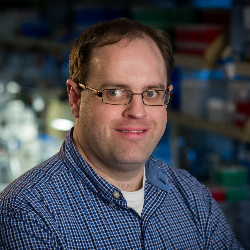 Ryan Potts, PhD, Vice President and Head, Induced Proximity Platform, Amgen, Inc.
VP and Head
AmgenRyan Potts obtained his BS from the University of North Carolina and his PhD from UT Southwestern. In 2008 he was awarded the Sara and Frank McKnight independent postdoctoral fellowship at UT Southwestern Medical Center. During this time his research focused on biochemically defining a novel family of proteins called MAGEs as regulators of E3 ubiquitin ligases. In 2011 he was appointed Assistant Professor in the Department of Physiology at UT Southwestern Medical Center. In 2016 his lab moved to St. Jude Children’s Research Hospital where he is an Associate Member in the Department of Cell and Molecular Biology. His lab worked on elucidating the functions of MAGE-RING Ligases. Recently he has moved to Amgen as Executive Director and Head of the Induced Proximity Platform.
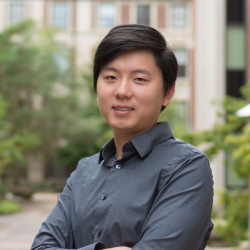 Fan Pu, PhD, Senior Scientist II, AbbVie Inc.
Senior Scientist II
AbbVie IncFan Pu is a Senior Scientist II within Discovery Research at AbbVie. He specializes in high-throughput screening and mass spectrometry. He co-developed the IR-MALDESI platform at AbbVie and supports small molecule drug discovery programs by developing mass spectrometry-based assays. Fan Pu holds a PhD in Analytical Chemistry from Purdue University.
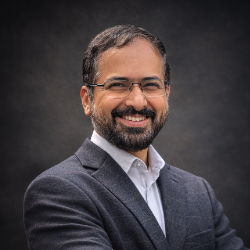 Sujiet Puthenveetil, PhD, Director, Antibody Drug Conjugates and Radioconjugates, AstraZeneca
Director
AstraZenecaSujiet Puthenveetil is Director of ADC and Targeted Bioconjugate Technologies at AstraZeneca, where he leads teams developing next generation targeted therapeutics, including radioligand therapies. With more than 15 years of experience in the bioconjugate field across AstraZeneca, AbbVie, and Pfizer, he brings broad expertise spanning ADCs, radioconjugates, protein engineering, linker chemistry and translational strategy. He has played key roles in advancing multiple clinical and preclinical programs in oncology and beyond.
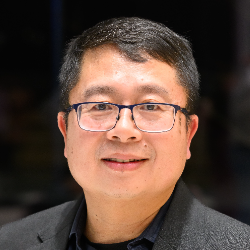 Jun Qi, PhD, Associate Professor, Cancer Biology, Dana Farber Cancer Institute
Associate Professor
Dana Farber Cancer InstituteDr. Jun Qi is an Associate Professor in Medicine at Department of Cancer Biology in Dana-Farber Cancer Institute, and Department of Medicine in Harvard Medical School. Dr. Qi received his BS from Fudan University in China and obtained his Ph.D. in Chemistry from University of Michigan in 2006. He then completed his postdoctoral training at MIT in 2009. Both his Ph.D. and postdoctoral studies have been focused on the total synthesis of natural compounds and the novel synthetic methodology development. Dr. Qi joined Dr. James Bradner’s laboratory at Dana-Farber Cancer Institute to lead the chemistry effort as well as polished his chemical biology and biology knowledge in 2009 and developed bromodomain inhibitors and inhibitors for other epigenetic proteins.
Dr. Qi started his independent research group in June 2016, and continue his research on developing chemistry, medicinal chemistry and chemical biology platforms to study a variety of biological targets and establish the understanding of their roles in cancers. He leads his team successfully developed a series of inhibitors and tool compounds toward a variety of proteins, such as KDM5, EP300. Dr. Qi’s team is working on multi-disciplinary projects to advance the understanding of biological targets in human diseases, especially in cancers, and usher these findings into the clinic. Dr. Qi has received several awards, including Alex Lemonate Foundation Innovation awards, St. Baldrick Translational award, and V foundation translational award.
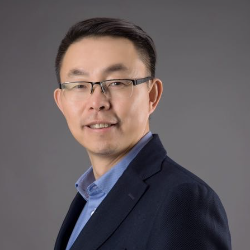 Xueming Qian, PhD, Founder & Chairman & CEO, Transcenta Holding
Founder & Chairman & CEO
Transcenta TherapeuticsDr. Xueming Qian is the founder and chief executive officer of Transcenta Therapeutics. Dr. Qian served as senior vice president, head of R&D at Shenogen Pharma Group from June 2010 to September 2012. Dr. Qian also successively worked as postdoctoral fellow, senior scientist, principal scientist and team leader at Amgen Inc. (NASDAQ: AMGN) from September 1997 to June 2010. Dr. Qian received his bachelor of science in biophysics from Fudan University and a master of arts in biophysics and physiology from Columbia University. He received PhD in neurosciences and pharmacology from Albany Medical Center. He is a member of the American Association of Cancer Research, American Society of Clinical Oncology, the European Society of Medical Oncology. He is the investor of multiple novel antibody patents.
 Tianming Qu, Computational Scientist, Atombeat, Inc.
Computational Scientist
Atombeat, Inc.Tianming Qu is a computational chemist at Atombeat, where he leads the development and application of free energy perturbation (FEP) methods for relative and absolute binding free energy calculations. He holds a Ph.D. from Florida State University with expertise in molecular dynamics simulations, protein dynamics, statistical inference, and algorithm development.
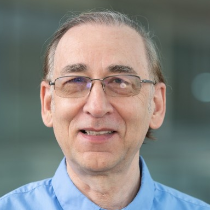 Tobias D. Raabe, PhD, Research Assistant Professor, Perelman School of Medicine, University of Pennsylvania
Research Asst Prof
University of PennsylvaniaDr. Raabe is an organoid expert at the University of Pennsylvania. His background is wide ranging, spanning microbiology, basic molecular biology, genetics, immunology and most recently, hepatology. He obtained his Ph.D. in molecular genetics under the direction of Nobel Prize winner Werner Arber at the University of Basel, Switzerland. Working in the lab of James Manley at Columbia University, he became the first person to clone and characterize the gene coding for poly (A) polymerase, which he published in Nature. His subsequent work, initially at the Picower Institute for Medical Research and later at the University of Pennsylvania, includes publications on the effect of HIV on monocytes, and CRISPR mediated gene editing of induced pluripotent and adult stem cells. Most recently, his lab
was the first to extensively characterize organoids derived directly from cirrhotic NASH patient liver. Dr. Raabe is an award-winning scientist.
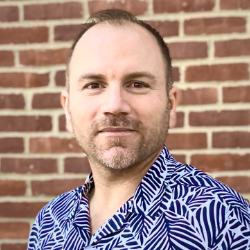 Shvan Raheem, PhD, Researcher, Radiology, Massachusetts General Hospital-Harvard Medical School
Postdoctoral Fellow
Massachusetts General Hospital-Harvard Medical SchoolShvan J. Raheem, PhD, is a Postdoctoral Fellow in Radiopharmaceutical Chemistry and Molecular Imaging at Massachusetts General Hospital and Harvard Medical School. His research focuses on developing radiopharmaceuticals for cancer imaging and therapy, with a strong focus on peptide synthesis, bioconjugation, and metal-based radiolabeling of peptide, nanobodies, and antibody molecules. Given his chemistry background, he works to solve modern challenges in nuclear medicine, including tracer design, conjugation strategies, radiolabeling optimization, and improving the translational performance of radiopharmaceuticals. His work bridges synthetic chemistry and molecular imaging to advance more precise and effective theranostic approaches for cancer.
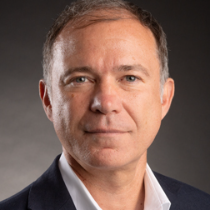 Zoran Rankovic, PhD, Professor of Chemical Biology and Director of the Centre for Protein Degradation, Institute of Cancer Research (ICR), London
Professor, Chemical Biology and Director, Center for Protein Degradation
The Institute of Cancer ResearchZoran is a Professor of Chemical Biology and Director of the Centre for Protein Degradation (CPD) at the Institute of Cancer Research (ICR), London.
Prior to joining the ICR, Zoran was Director of Chemistry at St Jude Children’s Research Hospital in Memphis, Tennessee, where he established and directed a productive Targeted Protein Degradation program, which developed novel cereblon warheads, PROTACs, and molecular glue clinical candidates. Before St Jude, Zoran was medicinal chemistry director and research fellow in Organon, Schering-Plough, Merck and Eli Lilly. During his over two decades long industrial career Zoran directed teams that delivered multiple clinical candidates over a range of therapeutic areas including oncology, neurodegeneration, psychiatry and cardiovascular disorders. Zoran authored and co-authored over 100 scientific publications, patents, book chapters, and edited two books on drug discovery topics.
Zoran’s current research interests focus on expanding and leveraging targeted protein degradation approaches to study cancer biology and develop next generation of cancer treatments.
 Arvind Rao, PhD, Associate Professor, Department of Computational Medicine and Bioinformatics, University of Michigan
Associate Professor
University of MichiganArvind Rao is an Associate Professor in the Department of Computational Medicine and Bioinformatics at the University of Michigan. His group uses image analysis and machine learning methods to link image-derived phenotypes with genetic data, across biological scale (i.e. single cell, tissue and radiology data). Such methods have found application in radiogenomics and drug repurposing based on phenotypic screens. Arvind received his PhD in Electrical Engineering and Bioinformatics from the University of Michigan, specializing in transcriptional genomics, and was a Lane Postdoctoral Fellow at Carnegie Mellon University, specializing in bioimage informatics.
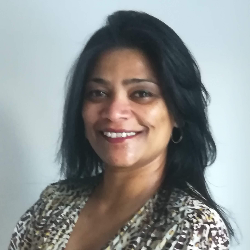 Joseline Ratnam, PhD, Associate Director, Bicycle Therapeutics
Assoc Dir
Bicycle TherapeuticsJoseline Ratnam is an Associate Director and Project Lead at Bicycle Therapeutics, where she spearheads radiopharmaceutical programs that aim to both visualize and treat solid tumors. She has previously worked at Evotec, Pharmaron and Exscientia (now Recursion), advancing small molecule therapeutics and platform technologies, with expertise spanning target identification through to IND-enabling studies. Joseline holds a PhD in Neuroscience from Weizmann Institute of Science, Israel, and worked as a post-doctoral researcher and staff scientist at the University of California, San Francisco.
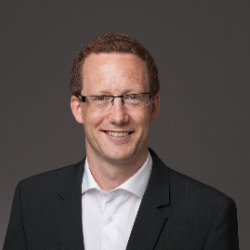 Christian Reichen, PhD, Director, Oncology Research, Molecular Partners AG
Director Oncology Research
Molecular Partners AGChristian Reichen - Director & Project Leader at Molecular Partners - leads research programs at Molecular Partners focused on developing DARPin-based radiopharmaceuticals for targeted cancer therapy. Under his leadership, several molecules have advanced into clinical development, including MP0712, the first DLL3-targeting Radio-DARPin candidate for small cell lung cancer (SCLC), and MP0533, a DARPin-based T-cell engager currently in trials for acute myeloid leukemia (AML).Earlier in his career at Molecular Partners, Christian contributed to multiple pipeline projects through protein engineering and sequence optimization. He earned his Ph.D. at the University of Zurich in the laboratory of Prof. Andreas Plückthun, where he developed a novel binding scaffold based on armadillo repeat proteins using computational design. He holds an master's degree from ETH Zurich.
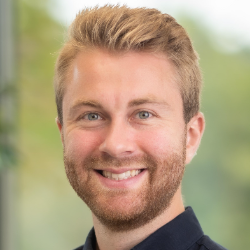 Raphael Reinbold, PhD, Senior Scientist II, Platform, OMass Therapeutics
Sr Scientist II
OMass TherapeuticsRaphael Reinbold, PhD, is a Senior Scientist II at OMass Therapeutics, where he is part of the platform team developing workflows to accelerate small-molecule drug discovery. His work focuses on integrating protein biochemistry, native mass spectrometry, HDX-MS, and structural biology to enable function-first lead generation for challenging targets, particularly in immunology and cytokine signalling. Raphael holds a PhD in Chemical Biology from the University of Oxford and a Pharmacy degree from the University of Freiburg.
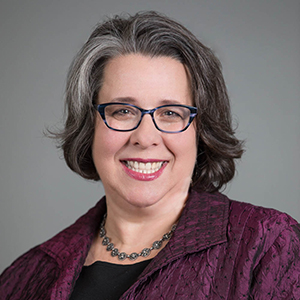 Kathryn Rexrode, MD, MPH, Chief Academic Officer & Chief, Division of Women’s Health, Brigham & Women’s Hospital
Chief Academic Officer & Chief, Division of Women’s Health
Brigham & Women’s HospitalDr. Kathryn Rexrode is the Chief Academic Officer at Brigham and Women’s Hospital (BWH), Chief of the Division of Women’s Health in the Department of Medicine at Mass General Brigham, and a Professor of Medicine at Harvard Medical School. As Chief Academic Officer she supports and advances the research and educational missions of the hospital. Dr. Rexrode has broad and deep research experience in women’s health and is the author of more than 300 research publications. She is also Chief of the Division of Women’s Health and the Director of the Gretchen and Edward Fish Center for Women’s Health which provides comprehensive women’s health services, including 14 specialties and a dedicated clinic for menopause and midlife care. Building on its core mission of leading the field in state-of-the-art care for women, the Division of Women’s Health conducts translational women’s health research and leads innovative education programs for medical students, residents, and faculty to advance the health of women.
 Dominic J. Reynolds, PhD, CSO, R&D, Remix Therapeutics
CSO
Remix TherapeuticsDominic Reynolds, Ph.D., serves as the Chief Scientific Officer at Remix, where he spearheads the discovery and development of small molecules aimed at reprogramming RNA processing for therapeutic applications. With over 20 years of experience in the biotechnology sector, Dominic has a proven track record of building successful biotech companies and advancing innovative drug discovery programs.
Dominic began his career at Millennium Pharmaceuticals, where he developed a strong foundation in medicinal chemistry and drug discovery. He joined Forma Therapeutics and then H3 Biomedicine as a founding member, assuming the role of VP, Head of Chemistry, at H3 Biomedicine, where he was critical in driving their drug discovery initiatives. As a drug discovery consultant for Third Rock Ventures and Atlas Venture, Dominic provided strategic guidance to seed-stage biotech companies, leveraging his extensive experience in oncology and neurodegeneration therapeutics. His leadership and scientific expertise have been pivotal in advancing multiple therapeutic candidates into clinical trials and developing sustainable drug discovery pipelines. Dominic earned his Ph.D. in synthetic chemistry from the University of Cambridge and completed postdoctoral training at Harvard University, focusing on natural product synthesis.
At Remix, Dominic's vision and expertise drive the company's mission to develop novel RNA-targeted therapeutics. His leadership is characterized by confident communication, building high performing teams, and a commitment to delivering innovative science on aggressive timelines. Dominic is dedicated to further developing Remix’s unique and innovative approach to manipulating RNA and translating that science into meaningful treatments for patients.
 Meredith Rickard, PhD, Senior Scientist, Computational and Structural Chemistry, Merck & Co
Senior Scientist
Merck & CoMeredith is a computational chemist whose work focuses on using molecular dynamics to understand crowded cellular environments. She received her PhD in Chemistry from the University of Illinois Urbana-Champaign in 2021 and joined Merck in 2022. In her current role, Meredith provides computational support for internal programs spanning immunology, neuroscience, and oncology.
 Jack Robertson, PhD, University of Dundee
Senior Scientist
University of DundeeJack Robertson is a Senior Scientist at the Centre for Targeted Degradation, University of Dundee. He leads a team working on induced proximity projects looking to target LRRK2 for the treatment of Parkinsons disease. The projects are part of the global LITE consortia funded by the Michael J. Fox foundation. Jack Completed his PhD in Chemical biology under Prof. Glenn Burley at the University of Strathclyde, where he focussed on developing peptidomimetics for application in Cell-Penetrating Peptides which led to founding TargoPep, a company specialising in delivery of oligo therapeutics. Jack then moved to complete a Post-Doc under Prof. Alessio Ciulli to develop in vivo active PROTACs for the treatment of inflammatory skin diseases, before starting his current role as LITE team leader at the Centre for Targeted Degradation.
 Marc S. Robillard, PhD, CSO & Founder, Tagworks Pharmaceuticals
CSO & Founder
Tagworks PharmaceuticalsMarc Robillard, CSO & founder of Tagworks Pharmaceuticals.
Marc is founder and CSO of Tagworks, a pioneer of in vivo click chemistry, and the inventor of the now widely used Click-to-Release approach for improved systemic therapies. He spun the technology out of Philips Healthcare and then drove its development into a broadly applicable platform technology for systemic therapies, while building a broad IP estate, productive partnerships, and a strong team and blue-chip investor base. At Philips Marc worked on molecular imaging and drug delivery programs, eventually focusing on in vivo click chemistry applications in these domains. Prior to Philips, he worked at Kreatech Diagnostics on the development of probes for microarray-based detection of DNA, RNA and proteins. In addition, he was a visiting scientist at the School of Biotechnology and Biomolecular Sciences, University of New South Wales, Sydney. Marc obtained his MSc and PhD in bio(in)organic chemistry at, respectively, the University of Groningen and the Leiden Institute of Chemistry, The Netherlands. He has published 41 peer-reviewed papers and is a co-inventor on 22 patents.
 Matthew Robinson, CTO, PostEra
CTO
PostEraMatt Robinson is currently the Chief Technology Officer of PostEra, working in AI for drug discovery. At PostEra, he helps oversee the development of internal drug discovery technology as well as large drug discovery collaborations with companies such as Pfizer and Amgen. He also helped start the COVID Moonshot initiative for antiviral discovery and is currently on the leadership team of the NIH-funded ASAP Discovery consortium, which develops antivirals to prevent future pandemics.
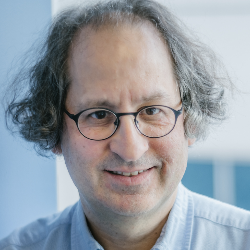 Joseph Rucker, PhD, Vice President, Research and Development, Integral Molecular, Inc.
VP R&D
Integral Molecular IncJoe Rucker is the Vice President of Research & Development, a co-founder of Integral Molecular and an inventor of Integral Molecular’s founding Lipoparticle technology. Since joining the company, he has led the development of new applications for Lipoparticle technology, including its use in generating novel antibodies against membrane proteins. Dr. Rucker earned his PhD from the University of California, Berkeley and completed postdoctoral studies at the University of Pennsylvania.
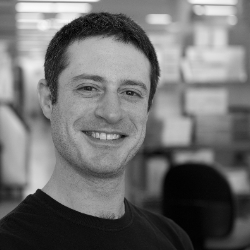 Jason Rush, PhD, Group Leader & Senior Research Scientist I, Center of Development of Therapeutics, Broad Institute
Group Leader & Senior Research Scientist
Broad InstituteJason Rush, Ph.D., is a chemical biologist and Group Leader in the Center for the Development of Therapeutics (CDoT) at the Broad Institute of MIT and Harvard, where he has spent over a decade advancing therapeutic development. Since joining the institute in 2014, his work has focused on translational pharmacology, particularly in high-impact areas such as oncology, inflammatory bowel disease, and targeted protein degradation. As a leader in CDoT, he leverages expertise in molecular biology and cellular biochemistry to bridge the gap between basic research and clinical applications. His career is grounded in a Ph.D. in Chemistry from UC Berkeley, where he conducted research under Carolyn Bertozzi, following his foundational studies at the University of Michigan.
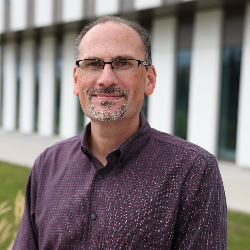 Laurent Sabbagh, PhD, Vice President, Research, Kainova Therapeutics
Vice President Research
Kainova TherapeuticsDr. Laurent Sabbagh is Vice-President Research at Kainova Therapeutics. Based in Montreal, he contributes to determine strategic orientations of the company’s research activities, with a focus on GPCR-related research in immuno-oncology and inflammation. Before joining the organization, Laurent led research projects in small-molecule drug discovery for inflammatory disorders and cancer at Paraza Pharma Inc. in Montreal. Earlier he worked at Vertex Pharmaceuticals (Canada), where he contributed to biomarker discovery in inflammatory bowel disease and small-molecule discovery for polycystic kidney disease.Prior to his industry roles, Laurent was an assistant professor at the University of Montreal, where his research examined the role of TNF receptors in immunological memory, inflammation, and hematological malignancies. He previously completed postdoctoral fellowships at the Ontario Cancer Institute and the University of Toronto. Laurent holds a Ph.D. in immunology from McGill University Montreal Canada.
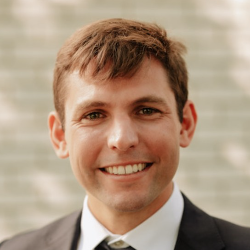 Fredrik Sadler, PhD, Postdoctoral Researcher, Genetics & Cell Biology & Development University of Minnesota Twin Cities
Postdoctoral Researcher
Univ of Minnesota Twin CitiesI am a postdoc at the University of Minnesota in the laboratory of Professor Sivaraj Sivaramakrishnan; I also trained with Prof. Sivaramakrishnan for my graduate work characterizing the roles of disordered regions of G protein coupled receptors in their signaling mechanisms. My current work focuses on how to pharmacologically leverage disordered regions to modulate G protein coupled receptor function.
 Amine Sadok, PhD, Senior Director & Head of Induced Proximity Platform, Amgen Inc.
Senior Director & Head
Amgen Inc.Dr. Amine Sadok is a scientific leader in targeted protein degradation and proximity-based therapeutics, with more than a decade of experience advancing innovative drug discovery strategies across academia, biotech, and the pharmaceutical industry. An expert in building and scaling cutting-edge drug discovery platforms, he has played a key role in developing technologies that enable new approaches to modulate previously undruggable targets.
At Amgen, he leads the Induced Proximity Platform, where he oversees multidisciplinary teams advancing next-generation degraders and proximity-based therapeutics. Prior to this, he helped pioneer molecular glue degrader technologies at Monte Rosa Therapeutics and contributed to early targeted protein degradation efforts at the Institute of Cancer Research in London, helping translate emerging scientific concepts into therapeutic opportunities across oncology, immunology, and rare diseases.
 Jack Sadowsky, PhD, Co-Founder & Vice President Discovery Chemistry, Kimia Therapeutics
CoFounder & VP Discovery Chemistry
Kimia TherapeuticsJack is a co-founder and Vice President of Discovery Chemistry at Kimia Therapeutics, joining the company in April, 2023, bringing over 14 years of experience advancing a range of innovative platform chemistry technologies from ideation to application in drug discovery. At Kimia, Jack leads the development and implementation of novel nanoliter-scale chemistries for hit identification via Kimia’s core platform technology, ATLAS. Prior to Kimia, Jack held research leadership positions at Carmot Therapeutics and Genentech.
 Thomas P. Sakmar, MD, Professor, Chemical Biology, Rockefeller University
Prof
Rockefeller UniversityTom Sakmar is the Richard M. and Isabel P. Furlaud Professor at The Rockefeller University where he heads the Laboratory of Chemical Biology and Signal Transduction and is the founding Director of the Human Subjects Protection Program. The work of his group is focused on a super-family of cell-surface receptors called G protein-coupled receptors, which range from visual pigments, which sense light, to chemokine receptors, which are responsible for chemo-selective cell migration. Dr. Sakmar received an A.B. in chemistry from the University of Chicago and an M.D. from Chicago’s Pritzker School of Medicine. He carried out clinical training at the Massachusetts General Hospital and Harvard Medical School before doing postdoctoral research in chemistry at the Massachusetts Institute of Technology with Prof. H. Gobind Khorana. He has been an investigator of the Howard Hughes Medical Institute and a Senior Scholar of the Ellison Medical Foundation, and has also been the Marie Krogh Visiting Professor at University of Copenhagen, and Guest Professor at the Alzheimer’s Disease Research Center at the Karolinska Institute in Stockholm, where he was awarded an honorary doctorate in 2021. Dr. Sakmar served as acting president of The Rockefeller University in 2002–2003. Before embarking on a career in academic biomedical research, he worked as an arc welder at the Chrysler Corp. where he welded the number 1 frame crossmember on over one-half of all Dodge Aspen’s produced in 1976 – the car that nearly bankrupted Chrysler. He also worked as a telephone cable splicer at AT&T where he was a member of a small team that installed the world’s first fiberoptic telecommunications system in the Renaissance Center in Detroit. Dr. Sakmar is also the co-author of Passport’s Health Guide for International Travelers, a best-selling trade paperback travel guide first published in 1986.
 Anneli Savinainen, Vice President, Head of Preclinical Development, Mariana Oncology, a Novartis Company
VP Head Preclinical Development
Mariana Oncology a Novartis CompanyAccomplished biopharmaceutical executive with deep expertise in preclinical research and development, Anneli Savinainen leads the advancement of innovative therapies from discovery through IND-enabling studies into early clinical development. As Vice President and Head of Preclinical Development at Mariana Oncology (a Novartis company), she directs multidisciplinary teams spanning pharmacology, toxicology, DMPK/ADME, and imaging, with a particular focus on precision radioligand therapies (RLTs). She has a strong track record of successful IND submissions across diverse modalities, including targeted oncology programs.
Anneli has held leadership and scientific roles at Mariana Oncology, Aura Biosciences, Syros Pharmaceuticals, Shire, EMD Serono, Resolvyx Pharmaceuticals, Millennium Pharmaceuticals, and AstraZeneca. She holds a Master of Science in Pharmacology and a Graduate Certificate in Clinical Trial Design and Project Management from Northeastern University, and a Bachelor of Science in Medical Laboratory Sciences from the University of Gothenburg. She is known for building high-performing teams, driving cross-functional collaboration, and delivering high-quality data to enable clinical success.
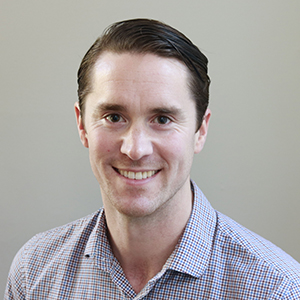 Cody Scandore, Head, Data Science & Machine Learning, InduPro Boston
Head
InduPro BostonCody Scandore is the Head of Data Science at InduPro, where he leads AI-driven target identification and validation efforts leveraging the company's proprietary mass-spectrometry–based proteomics platform. His work sits at the intersection of computational biology and proximity-based drug discovery, supporting InduPro's development of bispecific antibodies, ADCs, and T cell engagers for oncology and autoimmune indications. Cody brings a uniquely cross-disciplinary background spanning econometrics and chemical engineering, with a career that has taken him from the semiconductor industry into AI-enabled drug discovery. He has held scientific and technical leadership roles at several pioneering organizations, including Novartis, Herophilus (organoid-based discovery, acq. Roche), Insitro (AI/ML drug discovery), Strateos (cloud laboratory automation, in collaboration with Eli Lilly), and Insilico Medicine, where he helped design an AI/ML-driven discovery lab in China. This breadth of experience across pharma, automation, and AI-first biotechs gives him a distinctive perspective on how computational approaches can accelerate biologics discovery from target to clinic.
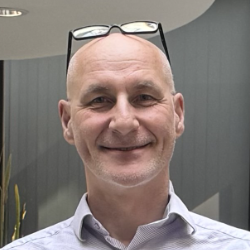 Christian Schafmeister, PhD, Founder & CEO, Ladder Bio
Founder & CTO
Ladder BioI build unnatural molecules that act on disease targets, and I am moving them toward the clinic and the diagnostic bench. My work has centered on a simple problem: many of the proteins that drive human disease, including protein-protein interactions long considered undruggable, cannot be reached by conventional small molecules or by antibodies, which are too large to enter cells. I have spent my career building molecules that can. Two inventions frame this work. As a postdoctoral fellow with Gregory Verdine I co-invented all-hydrocarbon stapled peptides, designing the alpha,alpha-disubstituted amino acids and the crosslinking chemistry that lock a peptide into a protease-resistant, cell-penetrant helix able to disrupt an intracellular protein-protein interaction. That chemistry became the scientific foundation of Aileron Therapeutics, and the stapled peptide ALRN-6924 advanced into human clinical trials. More recently, Parabilis Medicines has carried the technology further and developed Zolucatetide, a peptide that binds beta-catenin and it has advanced into human clinical trials. In my own laboratory I then invented spiroligomers, rigid, fused-ring macromolecules that display functional groups on a preorganized, shape-controlled scaffold and that, at drug-relevant sizes near 1 to 2 kDa, cross cell membranes by passive diffusion because they lack the polar amide hydrogen-bond donors that keep peptides out of cells. Using them, my group built a spiroligomer alpha-helix mimic that binds HDM2 (MDM2), the negative regulator of the tumor suppressor p53, showed that it penetrates human cells, and demonstrated that it engages and stabilizes HDM2 in cell culture. This established that a fully synthetic, non-peptidic molecule can reach and modulate an intracellular oncology target of central therapeutic importance, and it is the direct conceptual ancestor of the therapeutic programs I run today. I now translate this platform into medicines and diagnostics as founder and CTO of Ladder Bio (formerly ThirdLaw Molecular). With $16.9M in Department of Defense funding I scaled spiroligomer synthesis to industrial throughput and built DNA-encoded libraries containing billions of spiroligomer binding molecules. Screening these libraries against high-risk pathogens under BSL-3 containment yielded specific binders against both a BSL-2 bacterium and a BSL-3 virus, which we are advancing into diagnostic devices that use spiroligomer molecular-recognition elements in place of antibodies. On the therapeutic side, with $6.5M in seed investment, our lead programs target CD40L and TL1A with spiroligomer-based therapeutics, and we are pursuing transcriptional regulators such as IRF5 that have long resisted conventional drugs. To design these molecules I created CANDO, an open-source computational environment (github.com/cando-developers/cando) for modeling and designing spiroligomer nanostructures. I have the track record, the platform, and the team to carry this work from molecular design through to therapeutic and diagnostic products.
 Stephan Schann, PhD, CSO, Kainova Therapeutics
CSO
Kainova TherapeuticsStephan Schann is Chief Scientific Officer at Domain Therapeutics. As the leader of Domain’s proprietary programs and collaborations with pharma partners, he oversees the intellectual property strategy for each of the company’s assets. Stephan has been with Domain since its inception in 2008, and his roles have evolved over time, including previous positions as Head of Research, Director of Research & Development and Vice-President of Research & Development. With over 25 years of experience in biomedical research, Stephan has dedicated his career to the development of novel therapeutics addressing unmet medical needs. His significant contributions to drug discovery and development have been instrumental in shaping Domain’s success and its continuous growth. Prior to joining Domain, Stephan established and led the Medicinal Chemistry Department at Faust Pharmaceuticals and was a senior scientist at Evotec. Stephan holds a PhD in Medical Chemistry from University of Strasbourg in France.
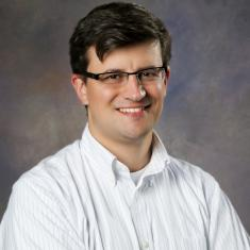 Jay Schneekloth Jr., PhD, Professor, Department of Biological Chemistry, University of Michigan
Professor
University of MichiganJohn Schneekloth Jr., (Jay) received his undergraduate training at Dartmouth College. After receiving a Ph.D. with Craig Crews at Yale University, he pursued a postdoctoral fellowship with Erik Sorensen at Princeton University. He began his independent career at the NIH, where he is a Senior Investigator and Head of the Chemical Genetics Section in the Chemical Biology Laboratory at the National Cancer Institute. Jay's laboratory studies nucleic acids as targets for small molecules, with an emphasis on understanding RNA as a target.
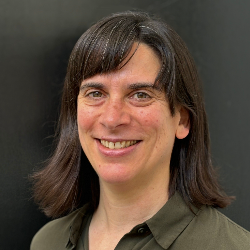 Monica A Schwartz, PhD, Vice President Antibody Discovery, Abalone Bio Inc.
VP Antibody Discovery
Abalone Bio IncMonica Schwartz, PhD, is the Vice President of Antibody Discovery at Abalone Bio, a biotech company focused on developing antibodies that activate hard-to-drug targets. Dr. Schwartz is leading efforts to combine the power of biology and ML/AI to discover agonist antibodies for a wide range of challenging GPCR targets using Abalone Bio’s Functional Antibody Selection Technology (FAST) platform. She joined Abalone Bio from Zymergen, where she led teams focused on platform development and microbial engineering. At Achaogen, she developed a microfluidic platform to screen single B cells to discover antibacterial antibodies to combat multidrug-resistant bacteria. Monica received her PhD from University of California, San Francisco and completed her postdoctoral training at Stanford University.
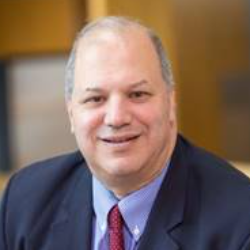 Paul M. Scola, PhD, Senior Vice President, Chemistry, Actithera
Senior Vice President
ActitheraPaul Scola received his PhD from Professor Steven Weinreb and The Pennsylvania State University, and thereafter assumed a postdoctoral position at Harvard University under the tutelage of Professor Yoshito Kishi. Paul then joined Bristol Myers Squibb, where he is currently Senior Director in the department of Discovery Oncology Chemistry. At BMS, Paul’s research efforts have included the discovery of small molecule antiviral agents for the treatment of hepatitis C infection. As part of that effort, Paul had the privilege of co-chairing the HCV NS3 protease inhibitor team which discovered BMS-650032 (asunaprevir), an approved treatment of HCV in combination with BMS’ daclatasvir. More recently, Paul has co-led full-phase discovery teams in oncology. An important outcome of the team’s effort is the discovery of BMS-986189, a macrocyclic peptide that is a potent inhibitor of PD-L1 and which progressed to the clinical stage.
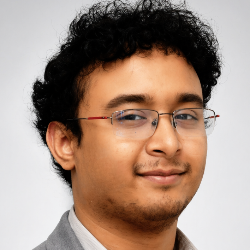 Srijit Seal, PhD, Visiting Researcher, Uppsala University
Visiting Researcher
Uppsala UniversityDr. Srijit Seal is a researcher and visiting scientist at Uppsala University, where he collaborates with the Pharmaceutical Bioinformatics group. He is widely recognized for his work at the intersection of artificial intelligence, chemistry, and biology, specifically in using machine learning to predict drug safety and toxicity.
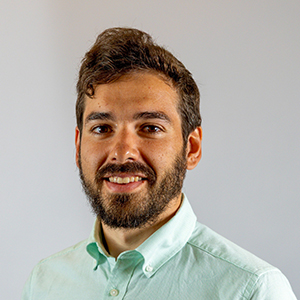 Victor Sebastian Perez, PhD, Head of Computational Drug Design, EMEA, SandboxAQ
Head of Computational Drug Design, EMEA
SandboxAQVictor currently serves as Head of Computational Drug Design at SandboxAQ. He earned his BSc and MSc in Pharmacy, and PhD in medicinal chemistry focused on drug discovery for infectious diseases using ligand and target-based approaches at the Spanish National Research Council (CSIC) and Universidad Complutense (UCM) completing part of his research at the University of Cambridge and Universidad Nacional del Sur (UNS). During this time, Victor participated in multiple CNS and infectious diseases projects including a European Consortium with public and private entities aiming at targeting neglected parasitic diseases.
Victor worked 5 years at Exscientia where he led the computational design strategy for several drug discovery programs, and applied AI tools to advance drug discovery programs at different stages towards lead optimisation and the identification of drug candidate compounds in oncology, immuno-oncology and rare diseases areas.
Victor has received several awards from scientific societies and pharmaceutical companies, including the European Federation of Medicinal Chemistry (EFMC), Spanish Society of Medicinal Chemistry (SEQT), Menarini, Royal Spanish Society of Chemistry (RSEQ) and Eli Lilly.
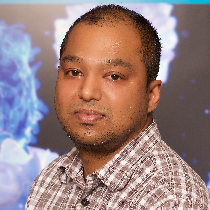 Uthpala Seneviratne, PhD, Associate Principal Scientist, AstraZeneca
Associate Principal Scientist
AstraZenecaI am an Associate Principal Scientist at AstraZeneca (AZ) with a PhD in Organic Chemistry from the University of Minnesota and postdoctoral training in chemical biology at MIT. Before joining AstraZeneca, I worked at Pfizer, contributing critical data to drug discovery programs, including Paxlovid and the JAK3/TEC inhibitor ritlecitinib for alopecia areata. At AstraZeneca, I develop high-throughput proteomics assays within the Chemical Biology group to accelerate drug discovery and enable project decisions across the portfolio.
 Muctarr Sesay, CSO, GBI Biomanufacturing
CSO
GBI BiomanufacturingMuctarr Sesay PhD is the Chief Scientific Officer at GBI Bio. He has over 30 years of biotechnology experience in biologics research and development, process development and manufacturing, bioconjugation, modification and characterization of biological and small molecules. Dr. Sesay also has over 24 years of CDMO experience with bio-conjugates proof of concept, process development, scale-up and manufacturing of numerous bio-conjugate projects including cytotoxic antibody-drug conjugates, radioimmune conjugates (Theranostics), antibody-oligonucleotide conjugates, photo immune conjugates, antibody-peptide conjugates, vaccine conjugates and many other complex bio-conjugates.
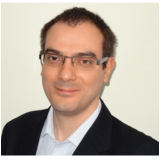 Alex Shaginian, Vice President, Business Development & Chemical Sciences, HitGen Inc.
Vice President
HitGen Inc.Alex is the VP of Business Development and Chemical Sciences at HitGen and has been a DEL practitioner for 15 years. His primary current responsibilities entail negotiating business deals, establishing new partnerships, analyzing DEL selection output, and generating hit proposals. Alex received his PhD in organic chemistry from the University of Wisconsin-Madison and MBA in finance and strategy from Babson’s F.W. Olin Graduate School of Business.
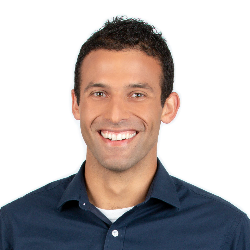 Armon Sharei, PhD, Founder & CEO, Portal Biotechnologies
Founder & CEO
Portal BiotechnologiesArmon Sharei, PhD, is the founder and CEO of Portal Biotechnologies - a platform company focused on enabling a new generation of
cell therapies and analytics. He was previously the Founder and CEO of SQZ Biotechnologies (NYSE: SQZ), a clinical-stage cell therapy company. During his 10 year tenure, the company raised over $300M in equity financing, established a + $1Bn collaboration with Roche, implemented three oncology clinical trials,
and IPOed on the NYSE.
Dr. Sharei’s work on cell engineering has been named as one of Scientific American’s Top 10 World Changing Ideas (2014), Fierce Biotech’s Fierce 15 (2015), and a World Economic Forum Technology Pioneer (2017). He has authored over 20 peer-reviewed publications and is the inventor on over 20 patent families.
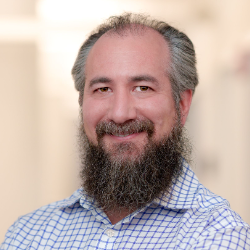 Woody Sherman, PhD, Founder and Chief Innovation Officer, PsiThera
Founder and Chief Innovation Officer
PsiTheraWoody Sherman is Founder and Chief Innovation Officer at PsiThera and a thought leader in molecular simulations and computer-aided drug design, with over 100 peer-reviewed publications covering novel methods and applications. As Chief Computational Scientist at Roivant, Woody oversaw the computational strategy, implementation, and deployment of computational methods. He received his B.S. in Physical Chemistry from the University of California at Santa Barbara where he studied nonlinear optical properties of organic polymers using computational quantum mechanics methods. He completed his Ph.D. at MIT working in Professor Bruce Tidor’s lab where he examined the role of electrostatics in protein-ligand binding and implemented a novel method for optimizing ligand binding specificity across a panel of targets. While in graduate school he worked at Biogen where he developed novel methods to enhance antibody affinity via electrostatic charge optimization, resulting in a publication and patent. As Global Head of Applications Science at Schrödinger, led research, product development, methods development, and the deployment of Python-based tools. He also worked closely with Pharma partners on research projects and collaborations. Woody has published on a broad range of topics, including induced-fit docking, ensemble docking, molecular dynamics, free energy simulations, protein design, small molecule optimization, cheminformatics, hybrid ligand/structure-based methods, charge optimization, pharmacophore modeling, and more.
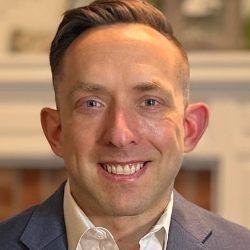 Trevor Sherwood, PhD, Scientific Associate Director, Bristol Myers Squibb
Scientific Associate Director
Bristol Myers SquibbTrevor grew up in New Hampshire and earned his BS in chemistry at Rensselaer Polytechnic Institute in upstate New York in 2008 working with Professor Robert J. Linhardt on the synthesis of carbohydrates. He then traveled south to New York City where he earned his PhD in 2013 in the laboratory of Prof. Scott A. Snyder at Columbia University, where he completed multiple total syntheses of alkaloid and polyphenolic natural products. In 2013, Trevor joined the Bristol Myers Squibb Discovery Chemistry group in Princeton, NJ, where he has performed research on a variety of different targets in immunology, oncology, and neuroscience and has led multiple drug discovery programs. Trevor also researches applications for photoredox catalysis in medicinal chemistry with a particular focus on cross-coupling chemistry. He is passionate about LGBTQ representation in chemistry and co-organized a session at the 2024 Spring ACS National Meeting featuring presentations from LGBTQ medicinal chemists.
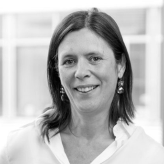 Karen Silence, PhD, Vice President, Head of Preclinical Product Development, argenx
Vice President
argenx BVBAKaren Silence brings more than 25 years of experience in antibody development, from pre-clinical research through to early clinical studies. She was actively involved in the start-up of two successful biotech companies, Ablynx and arGEN-X. At both companies, she was the project manager responsible for advancing the discovery and pre-clinical/clinical development of their products, which eventually led to Sanofi’s acquisition of Ablynx and arGEN-X’s exclusive global collaboration and license agreement with Cilag GmbH International, an affiliate of Janssen in 2018. She also worked for Staten Biotechnology, supporting their product discovery and pre-clinical development.
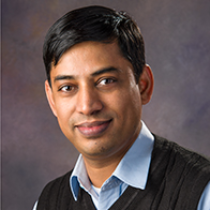 Dhirendra Simanshu, PhD, Senior Principal Scientist, NCI RAS Initiative, Frederick National Laboratory
Senior Principal Scientist
Frederick National Laboratory for Cancer ResearchDr. Simanshu leads the RAS structural biology group of the NCI RAS Initiative program at Frederick National Laboratory for Cancer Research. His research efforts are focused on structural studies on KRAS in complex with various effectors and regulators and on targeting druggable pockets observed in these structures using structure-based drug discovery approaches.
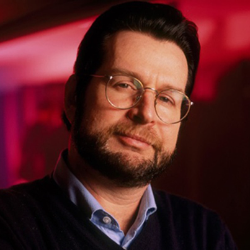 Jeffrey Skolnick, PhD, Professor, Biology, Director, Center for the Study of Systems Biology, Georgia Institute of Technology
Regents Prof
Georgia Institute of TechnologyJeffrey Skolnick is a Regents’ Professor and the Director of the Center for the Study of Systems Biology in the School of Biological Sciences at the Georgia Institute of Technology. He is also the Mary and Maisie Gibson Chair in Computational Systems Biology and a Georgia Research Alliance Eminent Scholar in Computational Systems Biology. He attended graduate school in Chemistry at Yale, receiving a PhD in Chemistry. He then held a postdoctoral fellowship at Bell Laboratories. Next, he joined the faculty of the Chemistry Department at Louisiana State University, Baton Rouge. Then, he moved to Washington University. Following his emerging interest in biology, he joined the Department of Molecular Biology of the Scripps Research Institute, where he held the rank of Professor. Among his awards are the Southeastern Universities Research Association (SURA) Distinguished Scientist Award, the Sigma Xi Sustained Research Award, and an Alfred P. Sloan Research Fellowship. He is a Fellow of the AAAS, the Biophysical Society, and the St. Louis Academy of Science. He is the author of over 400 publications, has an h-index of 92 and has served on 21 editorial boards. Dr. Skolnick’s current research interests are in computational biology and bioinformatics. He has developed AI based approaches to predict disease mode of action proteins, drug efficacy and side effects, diagnostic tools to identify early-stage cancers and a non- Mendelian approach to precision medicine. He has applied these tools to aging, cancer, chronic fatigue syndrome and cancer metabolomics. He has also done substantial research on the possible origins of the biochemistry of life.
 Mikolaj Slabicki, PhD, Assistant Professor, MGH/Broad Institute
Assistant Professor
MGB / Broad InstituteMikolaj Slabicki, Ph.D., is a Principal Investigator at the MGH Krantz Family Center for Cancer Research, an Assistant Professor of Medicine at Harvard Medical School, and an Affiliate Faculty Member at the Broad Institute of MIT and Harvard.
 Jack Sloane, PhD, Principal Scientist, Medicinal Chemistry, Bristol-Myers Squibb
Senior Principal Scientist
Bristol-Myers SquibbJack L. Sloane, PhD, is a Senior Principal Scientist at Bristol Myers Squibb with 7 years of experience in small molecule drug discovery across oncology and immunology. He holds a PhD in Organic Chemistry from Stanford University and a BA from Johns Hopkins University. At BMS, Jack has led hit-to-lead chemistry for 9 programs, discovering novel ligands for previously undruggable targets and developing deep expertise in phenotypic screening and hit deconvolution. He has contributed to multiple full-phase programs, including KRAS G12C, delivering development candidates and in vivo tool molecules. He currently leads oncology efforts against novel targets, employing diverse modalities including degraders, covalent inhibitors, and heterobifunctional molecules. He is a co-author on 17 peer-reviewed publications and holds 6 patents.
 Ernest Smith, CSO, Vaccinex, Inc
CSO
Vaccinex, Inc
 Mette Soendergaard, PhD, Co-Founder & CSO, Cell Origins LLC
Co-Founder & Chief Scientific Officer
Cell Origins LLCFounder and Chief Scientific Officer at Cell Origins with over 15 years of experience in peptide discovery. Her work focuses on phage display–based strategies to develop targeted peptides for oncology, including peptides for radioligand imaging and therapy.
 Mireia Solà Colom, PhD, Investigator and Head, Immunotherapeutics, AI Proteins
Investigator and Head
AI ProteinsMireia Solà Colom, PhD, is a protein engineer, biochemist, and a member of the founding team of AI Proteins. She leads the immune cell engager programs for the company, where she is Investigator, Head of Immunotherapeutics. Prior to AI Proteins, Mireia was a postdoctoral fellow with Dr. Chris Bahl at the Institute for Protein Innovation, Harvard Medical School where she developed novel methods to predict the evolution of viruses. She obtained her PhD in Molecular Biology at the Max Planck Institute for Multidisciplinary Sciences in Göttingen where she developed nanobody discovery methods and used them to investigate the mechanisms of nuclear pore complex assembly. Prior to that, Mireia received her MS in Pharmaceutical Design and Engineering from the Technical University of Denmark.
 Steven Sparks, PhD, Executive Director, Medicinal Chemistry, Arvinas
Executive Director, Medicinal Chemistry
ArvinasSteven Sparks, PhD, is Executive Director of Medicinal Chemistry at Arvinas where he focuses on the development of PROTAC protein degraders for the treatment of cancer and neurodegenerative diseases. Steve’s interest in small-molecule drug discovery was spurred by an internship at Burroughs Wellcome, where he worked on non-nucleoside reverse transcriptase inhibitors for HIV. This experience launched a career spanning more than two decades in both large pharmaceutical and biotechnology companies. He began his industry career at GlaxoSmithKline in Research Triangle Park, North Carolina, where he worked on therapies for metabolic disorders, including GSK1362885, a clinical-stage glycogen phosphorylase inhibitor. Following his tenure at GSK, Steve joined Viamet Pharmaceuticals, where he focused on the development of selective aldosterone synthase (CYP11B2) inhibitors for cardiovascular disease, contributing to the identification of the current clinical asset JX09. Steve then joined Arvinas to develop PROTACs for neurodegenerative diseases, culminating in the identification of a novel investigational oral PROTAC designed to cross the blood-brain barrier and target leucine-rich repeat kinase 2 (LRRK2). After serving as Vice President and Head of Chemistry at Ten63 Therapeutics, where he focused on applying AI-based approaches to challenging oncology targets, Steve rejoined Arvinas in his current role.
 Parthiban Srinivasan, PhD, Professor and Director, Centre for AI in Medicine, Vinayaka Mission's Research Foundation, India
Professor and Director
Vinayaka Mission's Research FoundationParthiban Srinivasan, an experienced data scientist, earned his PhD from Indian Institute of Science, specializing in Computational Chemistry. After his PhD, he continued the research at NASA Ames Research Center (USA) and Weizmann Institute of Science (Israel). Then he worked at AstraZeneca in the area of Computer Aided Drug Design for Tuberculosis. Later, he headed informatics business units in Jubilant Biosys and then in GvkBio before he floated the company, Parthys Reverse Informatics and later an AI consultancy, Vingyani. Then he returned to academia as a Professor of Data Science at the Indian Institute of Science Education and Research, Bhopal. Currently, Parthiban is a Professor and Director at the Center for AI in Medicine, Vinayaka Missions Research Foundation, AV Medical College and Hospital, Puducherry, India
 Edward Stahl, PhD, Assistant Professor, Basic and Translational Research, University of South Florida
Assistant Professor
University of South FloridaEdward Stahl is an assistant professor and pharmacologist at the University of South Florida in Tampa, FL. Ed received his PhD in Pharmacology from Penn State University, located in Hershey, PA, where he studied allosteric modulation of muscarinic receptors. After receiving his degree, he worked at GraphPad Software Inc. in LaJolla, CA, before returning to benchtop research with Professor Laura Bohn at The Scripps Research Institute in Jupiter, FL. The Bohn Lab has since relocated and now studies functional selectivity of G protein-coupled receptors at USF. Ed's research focuses on mathematical models of receptor signaling. This focus emphasizes understanding the mechanisms of receptor action and ligand selectivity. Specifically, Ed’s work on the mu opioid receptor has investigated novel forms of receptor signaling and the biochemistry of active state signaling in both the in vitro and in vivo context. This research has recently been published in Nature as well as Nature Communications.
 Grant Stephen, CEO & Co-Founder, bPrescient, Inc.
CEO & Co-Founder
bPrescient IncGrant Stephen is an entrepreneur, mentor and investor focused on launching and building organizations that improve people's health by leveraging the power of data. As co-founder and CEO of bPrescient, Grant leads a consulting team of over 200 independent experts who work together to accelerate clients' drug research and clinical pipelines. bPrescient is a full-service scientific & technology consultancy that provides a unique combination of advantages to accelerate and de-risk the entire drug R&D process by providing pharmaceutical and biotech organizations with breakthrough solutions to their most intractable R&D problems. Prior to founding bPrescient, Grant was the founding executive and CEO of Tessella, Inc, the US arm of the Tessella Group, where he also served on the global Board of Directors and was one of the three-person team that led the buyout of that company in 2012. Grant is a graduate of the James Watt School of Engineering at the University of Glasgow in the UK. He also holds an MBA.
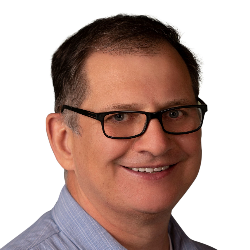 Stefanus Steyn, PhD, Research Fellow, Pharmacokinetics Dynamics & Metabolism, Pfizer
Research Fellow
Pfizer Global R&D Groton LabsI have a Ph.D. in Pharmaceutical Chemistry and completed post-doctoral studies in the laboratory of Professor Neal Castagnoli at Virginia Tech. I have over 20 years pharmaceutical industry experience with over forty co-authored publications. I have spent most of my career at Pfizer in various roles within PDM (DMPK), supporting projects ranging from oncology to neuroscience and currently, Inflammation and Immunology (I&I). I am currently a Research Fellow, and my responsibilities include setting the DMPK research and project strategies within the I&I Research Unit. In addition, my team and I function as Project Representative within I&I while I also have responsibilities as a Research Project Lead for various Discovery programs. My interests include prediction of human ADME as well as exploring physicochemical properties and how they relate to ADME with a focus on absorption. PROTACs are of special interest given their unique beyond Rule-of-5 properties and the ADME challenges they present relative to classical small molecules.
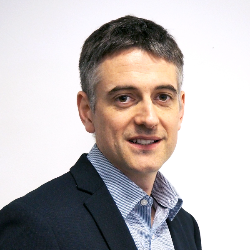 Ian Storer, PhD, Vice President, Hit Discovery, AstraZeneca
VP
AstraZenecaI lead Global Hit Discovery within Biopharmaceuticals R&D at AstraZeneca, accelerating the identification and validation of high-quality starting points for innovative medicines across therapeutic areas. The department is engaged across traditional small molecule therapeutics, peptides and other modalities including covalent, induced proximity, modulation of RNA, and drug conjugates. My mission is to shape and accelerate a scalable, science-led discovery engine that integrates AI-driven predictive hit-finding with automated experimental screening science, biophysics, pharmacology, and medicinal chemistry—delivering robust molecule starting points with precision, speed, and translational relevance. I also oversee AstraZeneca’s Open Innovation platform, enabling external collaborations and resource sharing across the scientific community. With extensive experience across therapeutic areas, target classes and modalities, I have led programmes from early exploratory target validation through to clinical candidate selection. Outside of AstraZeneca, I also serve on various boards, cross-industry committees and consortia.
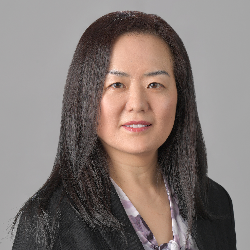 Chaohong Sun, PhD, Senior Director, Target Enabling Technologies, AbbVie, Inc.
Senior Director
AbbVie IncChaohong Sun is a Sr. Research Fellow and Sr. Director in Discovery Research organization at Abbvie, where she leads an organization including protein sciences, different screening platforms, centralized assays and structural biology to support Abbvie small molecule projects. She also heads up the lead discovery strategy team that is responsible to set and execute integrated lead generation strategies (including fragment-based approach, DEL and HTS) for Abbvie’s early portfolio targets. She received her Ph.D. from Dartmouth College in biophysical chemistry and then joined Abbott as a postdoctoral research fellow to study structures and functions of proteins involved in apoptosis pathway before becoming a staff scientist. She is coauthor of over 65 peer reviewed scientific publications and patents.
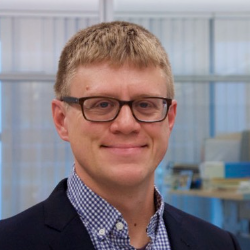 Thomas Sundberg, PhD, Principal Scientist, Immunology Discovery, Janssen Pharmaceuticals
Principal Scientist
Janssen PharmaceuticalsThomas B. Sundberg (Tom), Ph.D., is a Senior Principal Scientist in Immunology Discovery at Johnson & Johnson Innovative Medicine, where he leads teams discovering novel therapies for autoimmune and autoinflammatory disorders. His 15+ years of experience span academic discovery and biopharmaceutical research, including leadership of teams advancing programs from target identification/validation into preclinical development. His training spans synthetic organic chemistry, chemical biology, and immunology with degrees from the University of Texas, Austin and University of Michigan, Ann Arbor and postdoctoral research in targeted protein degradation at Yale University. Prior to joining J&J, Tom held scientific leadership roles with increasing responsibility at the Broad Institute of MIT and Harvard, where he helped discover SIK- and CDK8-linked immunomodulatory pathways and establish therapeutic approaches for inflammatory and oncological disorders. His research has resulted in multiple patents and peer-reviewed publications in leading journals.
 Min Woo Sung, PhD, Senior Scientist, Structural Biology, Pfizer
Senior Scientist
PfizerI earned Ph.D. in electron microscopy at Texas A&M University, where I resolved the structure of a critical plastid protein. As a postdoctoral fellow at Oregon Health and Science University, I deepened my expertise in membrane protein biochemistry by studying pancreatic and vascular KATP channels. Currently, I am a Senior Scientist in Pfizer's Structural & Molecular Science department. My job is to perform structure determination of various targets by cryo-EM technology, including AI-driven construct design, developing a novel “dynamics-facilitated classification†strategy, as well as analyzing structure-ligand interactions. I also contribute to the scientific community as a peer reviewer for journals and grant proposals for the national cryo-EM facilities. Outside of science, I enjoy aggressive inline skating and sketching.
 Rebecca Swett, Director, Computational Chemistry, X-Chem, Inc.
Director, Computational Chemistry
X-Chem, Inc.Dr. R.J. Swett is a Computational Chemist with over a decade of pharma experience. She holds a PhD from Wayne State University and completed a Presidential Postdoc at Novartis partnered with Stanford. Dr. Swett has worked on rare disease and oncology targets at Vertex Pharmaceuticals and Relay Therapeutics. She is currently the Director of Computational Chemistry Innovation at X-Chem.
 Yuki Tachibana, PhD, Vice President & Head, Laboratory for Drug Discovery Chemistry, Shionogi & Co. Ltd.
VP & Head
Shionogi & Co Ltd.Yuki Tachibana, PhD, is Head of the Laboratory for Drug Discovery Chemistry at Shionogi & Co., Ltd. He received his PhD in Chemistry from Hokkaido University, where he studied the structure and function of antifreeze glycoproteins. Since joining SHIONOGI, he has led medicinal chemistry and structure-based drug design programs across antiviral, endocrinology, oncology, and allergy research. Dr. Tachibana has played a central role in the discovery of oral antiviral drugs, including the SARS-CoV-2 3CL protease inhibitor ensitrelvir, and has contributed to multiple clinical candidates. His research interests include structure-based and fragment-based drug discovery, de novo design, and emerging drug discovery technologies. He is a co-author of numerous publications, and a recipient of the Pharmaceutical Society of Japan Award for Drug Research and Development 2025.
 Asad Taherbhoy, PhD, Senior Director, Discovery, Foghorn Therapeutics
Senior Director, Discovery
Foghorn TherapeuticsAsad Taherbhoy is Senior Director of Discovery at Foghorn Therapeutics, where he leads platform and project teams focused on targeting chromatin remodeling mechanisms using diverse small molecule modalities, including enzyme and PPI inhibition, targeted protein degradation, and induced proximity. Previously, Asad worked on E3 ligase-focused drug discovery at Nurix. He completed his postdoctoral training at Genentech and earned his PhD at St. Jude Children’s Research Hospital with Brenda Schulman, studying the ubiquitin pathway.
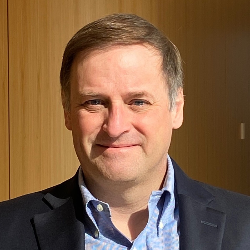 John Tallarico, PhD, Global Head, Discovery Sciences, Novartis BioMedical Research
Global Head
Novartis BioMedical ResearchJohn Tallarico leads Discovery Sciences at Novartis, a global multi-disciplinary team driving innovation at the frontiers of chemistry, biology, and data science. With over two decades of experience in early drug discovery, John has helped shape Novartis’s approaches to bringing together novel biology insights, human genetics data, target discovery tools, phenotypic screening, and emerging therapeutic modalities to invent new medicines across all Novartis therapeutic areas. A former academic and biotech founder, he brings a deep scientific perspective to strategic collaborations that bridge science and business.
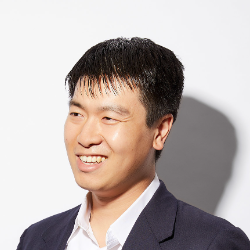 Hok Hei Tam, PhD, Co-Founder and CTO, Montai Therapeutics; Science Partner, Flagship Pioneering
CTO
Montai TherapeuticsHok Hei Tam is Co-founder and Chief Technology Officer at Montai Therapeutics and a Science Partner at Flagship Pioneering. Hok Hei has distinctive expertise in chemical and bioengineering, informatics, and machine learning; he has been a central architect of the Montai strategy to leverage AI to decode untapped, diverse chemistry to develop breakthrough medicines for chronic disease. At Flagship, he has also co-founded four other companies that are using technology to drive solutions across human health and sustainability, including Sail Biomedicines and Invaio Sciences. A named inventor on or author of more than 30 patents and published papers, Hok Hei’s work has been published in top journals including PNAS, Nature Materials, Nature Biotechnology, and Nature Medicine. Hok Hei received a PhD from MIT in chemical engineering and holds BSc degrees in mathematics and chemical engineering from the Ohio State University. Hok Hei’s graduate research was supported by a competitive National Science Foundation Graduate Research Fellowship.
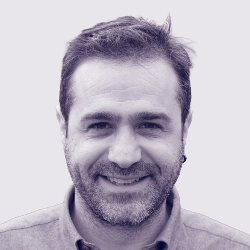 Muhammet Tanc, PhD, CEO, Nuclide Therapeutics
CEO
Nuclide TherapeuticsMuhammet Tanc, PhD, is Co-Founder & CEO of Nuclide Therapeutics, a biotech company developing next-generation radiotheranostic for therapy-resistant cancers. With over 15 years of experience in cancer drug development across academia and translational research, he works at the intersection of drug discovery, radiopharmaceutical innovation, and clinical translation. He is focused on building science-driven programmes into clinically impactful, investable companies.
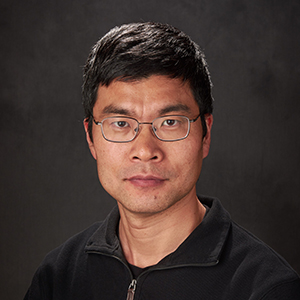 Weiping Tang, PhD, Professor, Pharmaceutical Sciences and Director, Medicinal Chemistry Center, University of Wisconsin-Madison
Professor
University of Wisconsin-MadisonDr. Weiping Tang received his PhD in Chemistry from Stanford University and completed his postdoctoral training in Chemical Biology and Medicinal Chemistry at Harvard University and Broad Institute as a HHMI postdoctoral fellow. He joined the faculty of UW-Madison as an Assistant Professor in the School of Pharmacy in 2007. He is currently Janis Apinis Professor of Pharmaceutical Sciences and Vilas Distinguished Achievement Professor of UW-Madison. He also holds a joint faculty appointment at the Department of Chemistry since 2013. His group currently focuses on targeted protein degradation by developing small molecule and antibody-based degraders for various disease associated proteins.
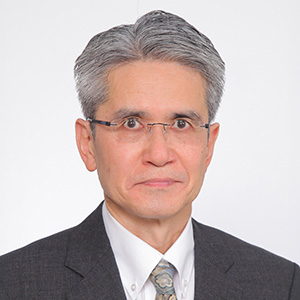 Naoki Tarui, PhD, CEO & Founder, SEEDSUPPLY INC., a spin-off from Takeda Pharmaceutical Company
CEO & Founder
SEEDSUPPLY INC.Naoki Tarui, PhD, is the Chief Executive Officer of SEEDSUPPLY INC., a CRO advancing both client-driven and proprietary drug discovery through the quantitative analysis of protein–ligand interactions. With more than three decades of experience in pharmaceutical research, he built a distinguished career at Takeda Pharmaceutical Company, where he served as Director of Biomolecular Research Laboratories, leading the institute's drug discovery initiatives. Dr. Tarui is a recognized expert in affinity-based screening technologies and has pioneered advances in Affinity Selection Mass Spectrometry (ASMS), enabling direct binding measurements of small molecules to membrane proteins under near-native conditions. At SEEDSUPPLY, he leads the development of large-scale, standardized binding datasets across GPCRs, SLC transporters, and other challenging targets, supporting both experimental drug discovery and AI-driven approaches. He received his PhD for research on microbial applications in drug discovery from Osaka Prefecture University.
 Edward Tate, PhD, Professor, Chemical Biology, Imperial College London
Professor
Imperial College LondonEd is Professor of Chemical Biology at Imperial College London, a Group Leader at the Francis Crick Institute, and academic founder of Myricx Pharma, a spinout developing his lab’s research into clinical applications. Following his PhD (2000) with Steve Ley in Cambridge and postdoctoral research in Paris as an 1851 Fellow and Howard Trust Fellow, he was awarded a BBSRC David Phillips Fellowship in 2006 to start his group at Imperial College. He sits on the advisory boards of several international research institutes and biotechs, and co-develops drug discovery technologies with companies including Pfizer, Merck, GSK, AstraZeneca, Kura Oncology, and ADC Technologies. His research has been recognised by multiple awards and Fellowships, most recently the 2019 Sir David Cooksey Translation Prize, the 2020 Corday-Morgan Prize of the Royal Society of Chemistry and a Cancer Research UK Programme Award.
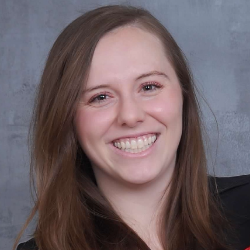 Mallory Tollefson, PhD, Business Development and Project Manager, OpenFold and OpenADMET Consortiums
Business Development and Project Manager
OpenFold and OpenADMET ConsortiumsMallory Tollefson, Ph.D., is Project Manager for the OpenFold and OpenADMET initiatives at the Open Molecular Software Foundation, where she leads global collaborations spanning academia, biotech, and pharmaceutical partners. She directs consortium strategy, partnerships, and technical project management to advance open-source AI platforms for biomolecule prediction and ADMET chemistry. Her work focuses on building sustainable ecosystems in which open science and industry engagement accelerate the translation of AI models into real-world applications.
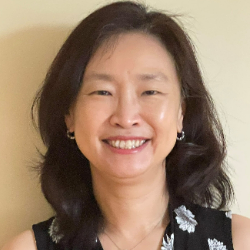 Ching-Hsuan Tsai, PhD, Executive Director, Structure Therapeutics
Executive Director
Strucutre TherapeuticsCurrently, I am Executive Director at Structure Therapeutics, where I am leading a team and effort to leverage high-throughput affinity-based selection technologies to discover novel chemical matters for GPCR targets. Prior to Structure Therapeutics, I was Director of Discovery Technologies at Relay Therapeutics, where I led a group focused on advancing DNA Encoded Library screening to enable the discovery of novel chemical matter via Machine Learning. Prior to joining Relay, I worked at GlaxoSmithKline, where I spearheaded efforts to enable functional DEL screening, DEL screens for lead discovery programs, and the application of DEL for targeted delivery.
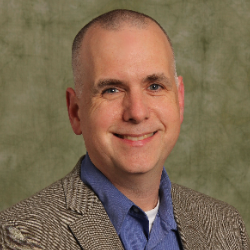 L. Nathan Tumey, PhD, Associate Professor, Pharmaceutical Sciences, SUNY Binghamton
Associate Professor
SUNY BinghamtonL. Nathan Tumey is joined Binghamton University in 2017, following 15 years of medicinal chemistry experience in the pharmaceutical and biotechnology industry. His research focuses on the design of antibody-drug-conjugates (ADCs) for the treatment of cancer, auto-immune disorders, and rare diseases. Specific research projects include immune-stimulating antibody conjugates, glucocorticoid-antibody conjugates, legumain-cleavable linkers, and site-specific conjugation technology. He is a frequent consultant at various biotechnology and pharmaceutical companies, and serves on the scientific advisory board of multiple ADC-related organizations.
Dr. Tumey received his PhD in chemistry from Duke University in 2001, under the supervision of Michael Pirrung. During his years in the pharmaceutical industry, Tumey was a key leader in multiple drug-discovery programs including the development of 5HT2c agonists for obesity, PKC-theta inhibitors for asthma, IRAK4 inhibitors for rheumatoid arthritis and antibody-drug-conjugates (ADCs) for the treatment of cancer.
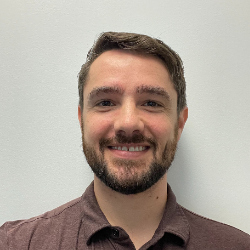 Mark Tye, PhD, Senior Scientist I, Medicinal Chemistry, Revolution Medicines
Senior Scientist I
Revolution MedicinesMark A. Tye, Ph.D., is a medicinal chemist at Revolution Medicines and is the lead chemist on a next-generation RAS program. He received his Ph.D. in Chemical Biology from Harvard University in 2022, where he designed, synthesized, and characterized prolyl-tRNA synthetase inhibitors as potential treatments for malaria and cancer. Dr. Tye received his B.S. in Chemical Biology from the University of California, Berkeley and has authored 7 scientific publications, 1 patent, and 12 patent applications.
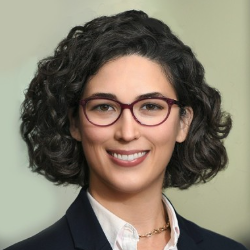 M Nihan Ucisik, PhD, Principal Scientist, Computational Chemistry, Foghorn Therapeutics
Principal Scientist
Foghorn TherapeuticsI received my PhD in Computational Chemistry from the University of Florida in 2014 under the supervision of Professor Kennie Merz, where my research focused on the dynamics and energetics of biomolecular systems. I subsequently completed postdoctoral training with Professor Sharon Hammes-Schiffer at the University of Illinois at Urbana–Champaign, investigating the fidelity and efficiency of DNA repair enzymes and ribozymes.
From 2016 to 2020, I served as a Senior Computational Chemist and project lead in the Center for Drug Discovery at Baylor College of Medicine, where I supported multiple medicinal chemistry projects and contributed to the design of DNA-encoded libraries. In 2020, I joined Foghorn Therapeutics to support various programs and computational platforms.
I currently hold the position of Principal Scientist in the Chemistry Department at Foghorn Therapeutics, where I lead the Computational Chemistry function. In this role, I am involved across multiple stages of the drug discovery pipeline, which ranges from small molecules to targeted induced proximity modalities.
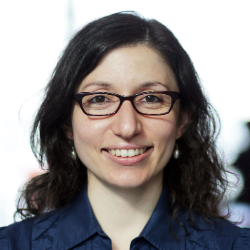 Gozde Ulas, PhD, Principal Scientist, Biochemical and Cellular Pharmacology, Genentech Inc.
Principal Scientist
Genentech Inc20+ years of scientific research experience, spanning the fields of redox biology, metallobiochemistry, biophysics, biochemistry and cell biology. I am a Principal Scientist in the Biochemical and Cellular Pharmacology department at Genentech and act as a functional lead on porfolio projects. Previous roles include Scientist at BioElectron Technology Corp. (Mountain View, CA) and post-doctoral researcher at UCSF.
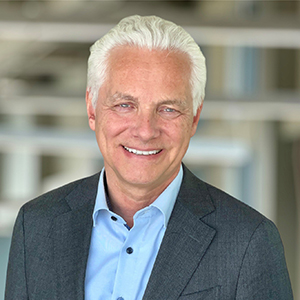 Klaus Urbahns, PhD, Head, Therapeutic Modalities, Biogen
Head of Modalities
BiogenKlaus Urbahns has led research organizations at Bayer, AstraZeneca, EMDSerono and Flagship/ProFound Therpaeutics. Most recently, he joined Biogen as Head of Therapeutic modalities. During his career, Klaus has been instrumental in developing therapeutic platforms across multiple modalities, including small molecules and therapeutic proteins in the areas of inflammation, cardiovascular, oncology and rare diseases. Klaus has also established strategic alliances, linking pharmaceutical firms with ventures, start-ups and academic institutions. Klaus' work is characterized by a commitment to translating complex scientific research into meaningful benefit for patients and fostering collaborative, high-performing teams. A chemist by training, Klaus holds a Ph.D. from the University of Frankfurt, Germany.
 Joseph Vacca, Vice President & General Partner, Radiopharmaceuticals, Perceptive Imaging
Vice President & General Partner, Radiopharmaceuticals
Perceptive ImagingJoe Vacca is a senior leader in the radiopharmaceutical and imaging industry with more than 18 years of experience spanning commercial strategy, scientific collaboration, and operational execution. After 12 years at Cambridge Healthtech Institute supporting commercial efforts for leading life-science conferences focused on biomarkers, diagnostics, and translational research, he joined Perceptive (formerly Invicro) in 2020. He currently serves as Vice President and General Partner for the Radiopharmaceuticals business unit, where he leads overall business strategy and integrates commercial, operational, and scientific capabilities to support global radioligand therapy clinical trials. During his tenure, Joe has led or overseen contracting, account management, and executive delivery for more than 200 preclinical and clinical radiopharmaceutical studies, including programs that have contributed to the regulatory approval of both diagnostic and therapeutic agents, enabling sponsors to advance complex programs from early development through approval.
 Jean-Luc Vanderheyden, PhD, Head, Oncidium Foundation
Executive Director
Oncidium Foundation USAJean-Luc E. Vanderheyden is Chair and Head of Oncidium foundation USA, a 501(c)(3) patient advocacy nonprofit dedicated to improving equitable access to radioligand therapy and radiotheranostics across the United States.
A Belgian-born pharmacist, analytical chemist, radiopharmaceutical expert, and family caregiver, he brings more than 45 years of experience in radiopharmaceutical research, development, commercialization, regulatory strategy, and patient-centered advocacy.
He has held senior scientific and executive roles across leading molecular imaging organizations, authored or co-authored 73 scientific publications, holds 10 issued patents, and continues to lead Oncidium’s U.S. strategy to close educational, clinical, geographic, logistical, and systemic access gaps for patients.
 Camilo Velez Vega, PhD, Associate Director, Novartis BioMedical Research
Associate Director
Novartis BioMedical ResearchCamilo has over 15 years experience as a computational chemist, 11 of those as part of the Computer Aided Drug Discovery group at Novartis. As a modeler he has worked across disease areas and modalities, and for the past few years he's acted as Project Team Lead for a TPD program.
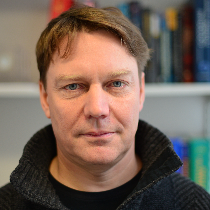 Dmitry Veprintsev, Professor, Molecular & Cellular Pharmacology, University of Nottingham; Co-Founder and CEO, Z7 Biotech Ltd.
Professor
University of NottinghamDmitry is Professor of Molecular and Cellular Pharmacology at the Centre of Membrane Proteins and Receptors (COMPARE), University of Nottingham. Dmitry provides leadership in structural and biophysical pharmacology of G protein coupled receptors. Following a PhD in protein folding at the Russian Academy of Sciences and at the Ohio State University, USA, he joined the MRC Centre for Protein Engineering and later at the RC Laboratory of Molecular Biology in Cambridge, UK as a postdoctoral fellow and as a staff scientist, on the biophysical studies of the tumor suppressor p53. In 2010 he became a group leader at the Paul Scherrer Institute and ETH Zürich in Switzerland where focused his research on G protein-coupled receptors (GPCRs). In 2017 Dmitry joined COMPARE, a joined venture between the University of Birmingham and the University of Nottingham. In 2021 he co-founded Z7 Biotech, a CRO developing and providing innovative GPCR drug screening and precision pharmacology services.
 Fabien Vincent, PhD, Consultant; formerly Pharmacology Lab Head, Pfizer Inc.
Consultant, former Laboratory Head - Pharmacology at Pfizer
Individual ConsultantFabien Vincent is a senior drug discovery scientist with experience as both an in vitro pharmacology group leader and a drug discovery project leader. He gained expertise in pharmacology at Pfizer (2010-2025) as a laboratory head in the Primary Pharmacology Group. There, his laboratory supported the small molecule portfolio of the Immunology & Inflammation research unit, helping deliver 15 clinical candidates with two becoming FDA approved drugs (Abrocitinib, Ritlecitinib). His remit spanned target identification & validation, designing and executing hit identification & validation strategies, structure-activity relationships (SAR) support, mechanistic studies and study reports for the FDA. His main research interests are centered on drugging tough-but-well-validated targets and improving the translation of preclinical research to patients using physiologically relevant assays and phenotypic screening.
 Sebastien Viollet, PhD, Project Manager, R&D, Affilogic
Project Manager
AffilogicSebastien Viollet is a R&D project manager at Affilogic, a biotech company dedicated to the discovery and development of a protein scaffold called Nanofitins for therapeutic applications. He joined Affilogic in 2018 after developing expertise in protein engineering, biochemistry, and display technologies during his Ph.D. and postdoctoral work. He currently leads Nanofitin discovery programs with a particular focus on delivery across the blood-brain barrier
 Alyssa Vito, PhD, President & Chief Development Officer, RAMP
President & CDO
RAMPDr. Alyssa Vito is a translational oncology leader focused on advancing next-generation radioligand therapies from discovery through clinical development. She leads development and strategy for novel oncology programs, with expertise spanning target selection, translational science, and first-in-human execution.
Her work centers on bridging preclinical innovation to clinical impact, with a focus on efficient translation and early clinical decision-making. Dr. Vito holds a PhD in Tumor Immunology and Immunotherapy, an MBA, and an MSc in Radiopharmaceutical Development.
 Rhonda Wallen
CEO
ilerabioRhonda Wallen is an Independent Board Director and Advisor to life science companies, leveraging her 25 years of experience to help founders and CEOs set strategy, navigate financings and plan for growth. She is currently the founding CEO of a clinical stage biotech company (stealth) and was most recently Chief Strategy Officer / EVP of Caresyntax, a VC backed provider of a digital analytics platform for the surgical suite. Prior to this Ms. Wallen was Head of Global Corporate Development at Terumo BCT, the $1 billion biomedical division of Terumo Corporation, a multinational leader in medical technology. In this role, she successfully developed two new lines of business, and led the cross-functional evaluation and negotiation of multiple strategic transactions for blood and cell therapy technologies including the largest deal in the division’s history. Prior to joining Terumo, she served as Chief Operating Officer for Andarix Pharmaceuticals, a clinical stage oncology therapeutics company, Advisor and Director, Strategic Marketing for Biodesix (oncology diagnostics) and founding CEO of Caveo Therapeutics, an early stage biotech (CU spinout) for which she raised seed capital, launched a reagent product line and progressed preclinical candidates towards the clinic. Ms. Wallen was formerly an investment professional with Sequel Venture Partners, a venture fund with > $400M under management. An experienced board Director, Ms. Wallen has served on public and private corporate boards and numerous Advisory boards including EKSO Bionics, A28 Therapeutics, Gigantest, and New West Genetics. Ms. Wallen holds a Bachelor of Science from Stanford University, a Master of Science in Microbiology from the University of Rochester School of Medicine and Dentistry, and a Master of Business Administration from the University of Rochester Simon School of Business.
 Sujata Walunj, PhD, Postdoctoral Researcher, Arun Wiita Lab, Laboratory Medicine, University of California San Francisco
Postdoc Researcher
University of California, San FranciscoSujata grew up in a rural part of India, where access to opportunities was limited. With the support of her family and community, she pursued her interest in biotechnology and continued her education in India and Australia. During her PhD, she worked on discovering new small molecules for malaria and toxoplasmosis by identifying novel drug targets and potential therapeutic compounds against these globally important parasitic diseases. She is currently a postdoctoral researcher at UCSF, where her research focuses on developing protein based immunotherapies and targeted antibodies for blood cancers, mainly for acute myeloid leukemia (AML). Her work combines structural biology, protein engineering, and biophysics to better understand disease mechanisms and design safer and more effective therapies. Through her research, she hopes to contribute to new treatment options for patients with cancers that still have limited therapeutic choices. She is also grateful to have received the prestigious Career Development Fellowship from Blood Cancer United, which supports her research on antibody-based therapies for blood cancers.
Outside of research, she is a volunteer wellness coach and teaches SKY Breathwork and meditation through SKY Campus Happiness at universities, helping students and young professionals improve their mental well-being and overall wellness.
 Yuan Wang, PhD, Head of Research Analytics, UCB Pharma
Head of Research Analytics
UCB IncDr. Wang is heading Research Analytics of UCB Pharma’s Data and Translational Sciences department, based in Cambridge, MA. In her current role she brings computational analytics and data strategy to tackle challenges in novel chemical biology and therapeutic modality in severe diseases. Prior to joining UCB she was working for Novartis Institutes for Biomedical Research in Cambridge, MA, and F. Hoffman La Roche in Basel, Switzerland.
 Shaomeng Wang, PhD, Warner-Lambert/Parke-Davis Professor of Medicine, Pharmacology & Medicinal Chemistry; Co-Director, Molecular Therapeutics Program, University of Michigan
Warner Lambert Parke Davis Professor of Medicine
University of MichiganDr. Shaomeng Wang obtained his chemistry B.S. degree from Peking University in 1986 and his PhD in Chemistry from Case Western Reserve University in 1992 and did his postdoctoral training at NIH. Dr. Wang is currently the Warner-Lambert/Parke Davis Professor in Medicine in the University of Michigan Medical School and professor of medicine, pharmacology and medicinal chemistry. Dr. Wang is the Director of University of Michigan Center for Therapeutic Innovation. Dr. Wang has served as the Editor-in-Chief of the Journal of Medicinal Chemistry, American Chemical Society since 2012. Dr. Wang has co-founded 5 biotech companies to develop novel small-molecule drugs invented from his laboratory and has advanced 7 compounds into clinical development. Dr. Wang has published >300 peer-reviewed papers and is an inventor of 55 issued US patents and hundreds of international patents. Dr. Wang was elected as Fellow of the National Academy of Inventors in 2014, Fellow of American Association for the Advancement of Science in 2019 and was inducted into the Fall of Fame of the Division of Medicinal Chemistry of the American Chemical Society (ACS) in 2020. Dr. Wang was the 2014 University of Michigan Distinguished Innovator and won the 2020 Division of Medicinal Chemistry Award of ACS.
 Jin Wang, PhD, Director, Biochemistry and Molecular Pharmacology, Baylor College of Medicine
Director
Baylor College of MedicineDr. Wang received his B.S. degree in chemistry from Peking University and PhD in physical organic chemistry from the Ohio State University. As a postdoc at the University of North Carolina at Chapel Hill, he worked in the field of drug delivery and nanomedicine. His independent research centers on chemistry and serves biology, spanning from chemical biology tools and method development to rational design of therapeutics, including small molecule inhibitors, protein degraders, and antibody-drug conjugates. His scientific contribution has been recognized by multiple awards including the Distinguished Faculty Award from Chinese-American Chemistry & Chemical Biology Professors Association and Michael E. DeBakey, MD, Professorship in Pharmacology.
 Meng Wang, Solutions Architect, Atombeat, Inc.
Solutions Architect
Atombeat, Inc.Meng is a Solutions Architect at Atombeat and an expert in small molecule SAR, ADMET, structure-based drug design, and targeted protein degradation, including molecular glues and PROTACs. She holds a Ph.D. in Organic Chemistry from Fudan University, and led programs from hit identification to in vivo validation at Dana-Farber Cancer Institute and Harvard Medical School.
 Scott H Watterson, PhD, Scientific Director, Bristol Myers Squibb Co
Scientific Director
Bristol Myers Squibb CoScott Watterson is a Scientific Director at Bristol Myers Squibb with 28 years of experience as a medicinal chemist in small molecule drug discovery. He received a BS in Chemistry from the University of Richmond in 1991 and a PhD in Chemistry from Emory University in 1996, working under the direction of Prof. Albert Padwa. He then conducted postdoctoral research with Prof. Michael Crimmins at the University of North Carolina at Chapel Hill. Since joining Bristol Myers Squibb in 1998, he has contributed to the areas of immunology, oncology, and neuroscience drug discovery.
 Matthew Welborn, PhD, Co-Founder & Vice President Machine Learning, Machine Learning, Iambic Therapeutics Inc.
Co Founder & VP Machine Learning
Iambic Therapeutics Inc.Matt Welborn, PhD, is Vice President of Machine Learning at Iambic Therapeutics, an AI-driven drug discovery company he helped spin out of Caltech in 2019. He leads multiple ML teams focused on developing and translating modern machine learning into practical, scalable systems that support drug candidate design and prioritization. His team's work includes NeuralPLexer, a pioneering cofolding model for protein-drug interactions, and Enchant, a multimodal transformer for molecular property prediction. Matt earned his PhD in Chemistry from MIT and completed his postdoctoral research at Caltech.
 Christopher Wellaway, Director, Medicinal Chemistry, Medicinal Chemistry, Drug Discovery, Pharmaron
Director, Medicinal Chemistry
PharmaronChris is a medicinal chemist who joined Pharmaron in June 2022 as an associate director. Prior to this, he spent 17 years at GSK and completed his PhD at the University of Strathclyde. Over his time in the sector, Chris has led molecular glue and PROTAC projects and worked on a range of target classes including E3 ligases, kinases, bromodomains and GPCRs and using various routes of administration. He has experience in phenotypic screening and target identification, hit identification (e.g. fragments and DEL), lead discovery and lead optimisation. Chris particularly enjoys applying contemporary approaches to drug discovery including machine learning and direct to biology, and has a keen interest in PROTACs and molecular glues.
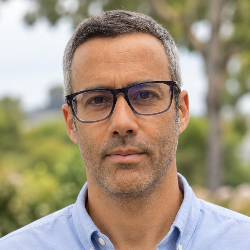 Alon Wellner, Vice President, Biology, Co-Founder, Aureka Biotechnologies
VP of Biology
Aureka BiotechnologiesAlon is the co-founder of Aureka Biotechnologies, where he currently holds the position of Vice President of Biology. With over five years of experience as a senior postdoctoral scholar at UC Irvine, he specialized in developing advanced systems for accelerated antibody engineering. Alon's work involved integrating yeast surface display with orthogonal replication techniques. He obtained his PhD from the prestigious Weizmann Institute of Science in Israel, under the guidance of the late Dan Tawfik.
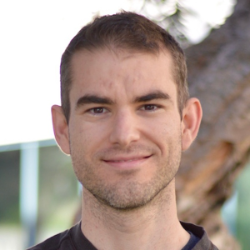 Robert Wells, Associate Director, Denali Therapeutics Inc.
Associate Director
Denali Therapeutics IncRob Wells is a Senior Principal Scientist and Director of Antibody Discovery and Protein Engineering at Denali Therapeutics, where he engineered the TransportVehicle platform to enable the delivery of large-molecule therapeutics across the blood-brain barrier. Rob’s work has advanced the brain delivery of antibody, enzyme, protein and oligonucleotide drugs by innovating novel Fc-engineered platforms for applications in neurodegenerative diseases, including Alzheimer’s, Parkinson’s and lysosomal storage diseases. His efforts have led to the progression of multiple CNS-targeted therapies into clinical trials. Rob has been at Denali Therapeutics for over ten years. Prior to Denali, he was previously a postdoctoral scholar in the laboratory of Dr. Shohei Koide at the University of Chicago. He received his PhD from The Johns Hopkins University.
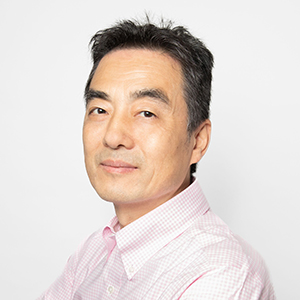 Zhigang Weng, PhD, Vice President & Head, Biology, Mariana Oncology, a Novartis Company
VP & Head of Biology
Mariana Oncology, a Novartis CompanyZhigang Weng is a drug discovery and development leader with more than 20 years of experience in the pharmaceutical and biotechnology industries. He currently serves as VP, Head of Biology at Mariana Oncology, a Novartis company. Previously, Zhigang was Senior Director of Biology at Blueprint Medicines, now a Sanofi company. He has also held leadership and scientific positions at several biotechnology companies, including Forma Therapeutics, Warp Drive Bio, AVEO Pharmaceuticals, and ARIAD Pharmaceuticals.
Zhigang earned his PhD in Molecular Biology from the University of Pennsylvania, an MA in Biology from Mount Holyoke College, and a BS in Genetics and Genetic Engineering from Fudan University.
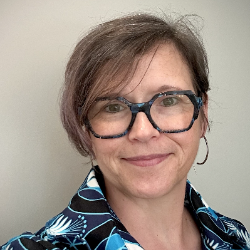 Johnna D. Wesley, PhD, Vice President, Biology & Translational Science, Protagonist Therapeutics
Vice President
Protagonist TherapeuticsDr. Johnna D. Wesley is the Vice President, Head of Biology and Translational Science at Protagonist Therapeutics. She is a strategic and innovative immunologist with over 18 years of research experience, including more than 15 years in drug development across global corporate settings. Dr. Wesley leads early discovery to clinical-stage programs in immunology, metabolism, and hematology, with a modality agnostic mindset. Her expertise includes strategy development and execution, target identification and optimization, and building translational science programs to support all stages of drug development, from discovery to clinical application.
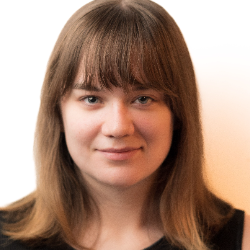 Devany West, PhD, Software Scientist, Open Molecular Software Foundation
Software Scientist
Open Molecular Software Foundation
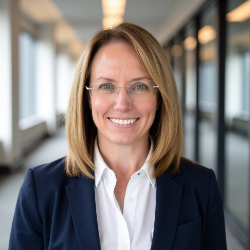 Andrea Weston, PhD, Head of Discovery Biology and Pharmacology, Pfizer Inc.
Executive Director
Pfizer Inc.Dr. Weston is currently the Head of Discovery Biology and Pharmacology at Pfizer where she and her team integrate cutting-edge technologies with deep drug discovery expertise to deliver innovative therapeutics. In this role, she leads various discovery functions that drive Pfizer's small molecule drug discovery portfolio including hit identification (HTS and DEL), pharmacology, functional genomics, and protein homeostasis platforms.
Prior to joining Pfizer in 2016, Dr. Weston was at Bristol-Myers Squibb for 10 years in various roles spanning the areas of cell sciences, lead discovery, and functional genomics. With over 20 years of experience in the pharmaceutical industry, she has been instrumental in advancing discovery biology strategies across a diverse therapeutic area portfolio and a broad class of targets. Dr. Weston obtained a PhD from the University of Western Ontario, Canada, and completed postdoctoral studies at the Institute for Systems Biology and Pfizer.
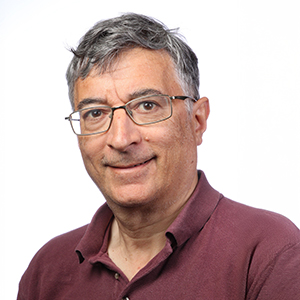 Francis X. Wilson, PhD, CSO, Avacta Life Sciences
CSO
Avacta Life SciencesFrancis Wilson is a medicinal chemist with a PhD from Oxford University and is a chartered chemist and fellow of the Royal Society of Chemistry. He joined Avacta in September 2022, as Vice President of Chemistry and became CSO in 2026. He has been instrumental in the development of novel intellectual property around the pre|CISION platform, notably the sustained-release mechanism that forms the backbone of the FAP-Exd (AVA6103) program. Before Avacta, Francis held various positions over 30 years in pharma and biotech medicinal chemistry sectors and has led multiple programs from discovery into clinical development.
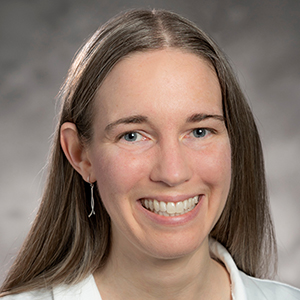 Laura M. Wingler, PhD, Assistant Professor, Pharmacology and Cancer Biology, Duke University School of Medicine
Assistant Professor
Duke University School of MedicineLaura Wingler, Ph.D. is an Assistant Professor in Pharmacology & Cancer Biology at Duke University. Wingler received her Ph.D. in Chemistry from Columbia University and then completed postdoctoral training in the Lefkowitz laboratory in the Department of Medicine at Duke University. In July 2020, she moved to the Department of Pharmacology and Cancer Biology at Duke University to open her independent research laboratory. The Wingler lab studies the molecular mechanisms of G protein-coupled receptors, the largest single class of drug targets, using approaches ranging from biochemistry to cell biology to pharmacology. Wingler is particularly interested in understanding why different ligands for the same receptor evoke different physiological responses, a phenomenon that has major implications for drug design.
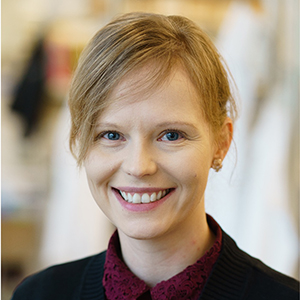 Heike Wobst, PhD, Director, Pharmacology, Jnana Therapeutics
Director
Jnana Therapeutics
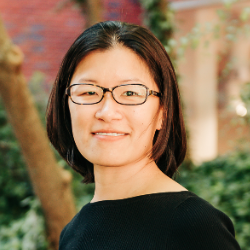 Christina M Woo, PhD, Professor, Chemistry & Chemical Biology, Harvard University
Professor
Harvard UniversityChristina M. Woo is a Professor in the Department of Chemistry and Chemical Biology at Harvard University, and an associate member of the Broad Institute. Research in the Woo lab aims to define and exploit the contribution from protein modifications in cells using the tools of chemical biology. Prior to Harvard, Christina obtained a BA from Wellesley College (2008), PhD with Professor Seth Herzon in Chemistry from Yale University (2013), and completed postdoctoral studies with Professor Carolyn Bertozzi at the University of California, Berkeley and Stanford University in Chemical Biology (2016). Her research program has been recognized by the Cope Scholar Award, David Gin Young Investigator Award, Camille-Dreyfus Teacher-Scholar Award, Sloan Research Foundation, NSF CAREER, Amgen Young Investigator Award, Bayer Early Excellence in Science Award, and the Ono Pharma Foundation Breakthrough Science Award.
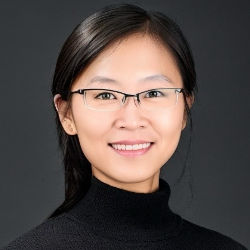 Huixian Wu, PhD, Director, Structural Biology, Medicine Design, Pfizer Research & Development
Director
PfizerHuixian Wu serves as the Director of Structural Biology and Senior Postdoctoral Mentor in Medicine Design at Pfizer Research & Development. Since joining Pfizer’s Groton site in 2016, she has taken on increasing responsibilities within Medicine Design, assuming leadership role in Structural Biology function since 2018. Currently, Dr. Wu oversees the East Coast Structural Biology group, providing critical support for structure-based drug design across all programs within Pfizer Research & Discovery’s East Coast portfolios. In 2023, her group expanded its expertise to include Computational and Artificial Intelligence (AI)-driven Structural Biology and Vaccine Design.
Throughout her tenure at Pfizer, Dr. Wu and her team have elucidated numerous key target structures and made substantial contributions to small molecule and vaccine discovery efforts in multiple therapeutic areas. Dr. Wu earned her Bachelor of Science in Chemistry from Peking University (Beijing) in 2010 and her Ph.D. in Chemistry from Scripps Research Institute (La Jolla) in 2014. Prior to joining Pfizer, she completed postdoctoral research with Dr. Stuart L. Schreiber at Harvard University and the Broad Institute (Cambridge). She is a co-author and co-inventor on more than 30 peer-reviewed publications and provisional patent applications, with her work cited over 5,900 times and an h-index of 17.
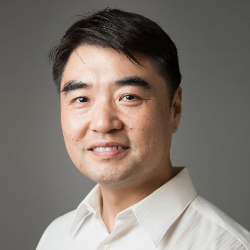 Zhaohui Wu, PhD, Executive Director, Biology, Degron Therapeutics
Executive Director
Degron TherapeuticsDr. Wu is a cancer biologist with 20+ years experience in leading ubiquitin signaling research, and programs in developing protein degraders and DAC for oncology and inflammation. He joined Degron after serving as a senior director at Cullgen. Before joining Cullgen, he was an Associate Professor at the University of Tennessee Health Science Center in Memphis, TN. His research was focused on molecular mechanisms orchestrating drug resistance in cancer cells and preclinical development of therapeutics for antagonizing drug resistance, and he has published more than 40 peer-reviewed articles in these areas.
 Jiaquan Wu, Senior Vice President, Biortus, Pharmaron Company
Senior Vice President
Biortus, Pharmaron CompanyJiaquan Wu, PhD is Biortus’s General Manager and Pharmaron's Senior Vice President of Protein and Structural Biology. Dr. Wu has more than 20 years of experience in protein sciences and biopharma industry experience focused on the application of structural biology in early-stage drug discovery.
Dr. Wu joined Biortus in April 2013 from AstraZeneca R&D Boston where he previously served as the lead enzymologist, responsible for assay development and HTS.
Dr. Wu received his PhD in Chemistry from the Stony Brook University. Dr. Wu has authored more than 30 peer-reviewed publications and 20 patents granted in the small molecule discovery and protein engineering spaces.
 Guido Wuerth, MD, PhD, GFMD, Head of Corporate Development, Radiopharmaceuticals, Affibody AB
Head of Corporate Development Radiopharmaceuticals
Affibody ABGuido Wuerth joined Affibody AB in 2021 and leads Corporate Development for the company’s radiopharmaceutical portfolio, with responsibility for asset strategy and lifecycle management. He previously held senior clinical leadership roles at MorphoSys, where he served as Global Program Head and contributed to the U.S. approval of tafasitamab (MONJUVI®) and several major out licensing transactions. Earlier, Guido led Global Clinical Operations at Sandoz and was Global Program Medical Director for the etanercept biosimilar Erelzi®, with extensive regulatory interactions. He has also held senior roles at Baxter, Antisense Pharma, and Schwarz Pharma (now UCB). Guido is a board certified urologist and holds an MD from the University of Cologne, Germany.
 Yang Xie, Head, Proximity Induced Therapeutics Platform, XtalPi Inc
Head
XtalPi IncDr. Yang Xie is Vice President and Head of Proximity-Induced Therapeutics Platforms at XtalPi, where he leads next-generation drug discovery engines. He received his Ph.D. in Molecular Biophysics and Biochemistry from Yale University and has over 15 years of experience in drug discovery and R&D leadership across biopharma companies, including Novartis, Forma Therapeutics, and Jacobio Pharma. He has advanced multimodal therapeutic programs from target discovery through clinical development. Dr. Xie has extensive expertise in targeted protein degradation (TPD), with a particular focus on molecular glue discovery. At XtalPi, he works at the intersection of cutting-edge drug discovery, AI/ML-driven computational technologies, and robotics-enabled automation to develop innovative therapeutic modalities.
 Hua Xu, PhD, Director, Head of Chemical Biology and Proteomics, AstraZeneca
Director
AstraZenecaHua Xu received his PhD in Chemistry from Stony Brook University. After conducting his post-doctoral research at Albert Einstein College of Medicine, he joined Pfizer in 2013, and later received ACS Young Investigator Award in 2016. He led the chemical biology efforts for a number of Pfizer’s drug discovery programs in several therapeutic areas, such as immunology and inflammation, rare diseases, and cardiovascular & metabolic diseases. Hua then worked as Associate Director of Chemical Biology at Cygnal Therapeutics from 2020 to 2021, and built the chemical biology platform to support small molecule drug discovery programs and facilitate target discovery. Hua currently leads Chemical Biology and Proteomics group at AstraZeneca that leverages chemical tools and proteomics technologies to enable target discovery and supports projects across therapy areas.
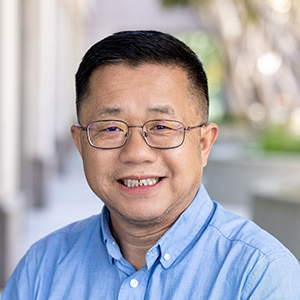 Yiming Xu, PhD, Senior Principal Scientist, Biochemical & Cellular Pharmacology, Genentech Inc
Senior Principal Scientist
Genentech IncI am a seasoned PhD drug hunter with over 25 years of R&D experience working in major pharmaceutical corporations including Schering Plough and Merck. Currently I am a Senior Principal Scientist at Roche/Genentech in the Department of Biochemical and Cellular Pharmacology. My core expertise lies in enzyme kinetics, mechanistic studies of enzyme inhibitors, and, in particular, study of complex systems of enzyme reactions and ligand binding and its application in lead finding and characterization efforts such as DNA Encoded Library screen. I have published extensively with >30 papers in leading journals including Nature, Cell in areas of Biochemistry and Enzymology.
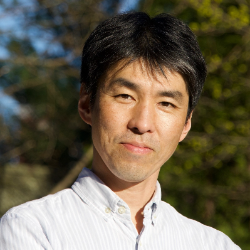 Ken Yamada, PhD, Associate Director, Global Discovery Chemistry, Novartis BioMedical Research
Associate Director
Novartis Institutes for BioMedical Research IncKen Yamada is Associate Director of Frontier Chemistry at Novartis Biomedical Research in Cambridge MA. Ken obtained B.S. in chemistry at Brown University, M.S. in organic chemistry at UCLA, and PhD at University of Tokyo under guidance of Prof. Tohru Fukuyama. He has over 20 years of experience in drug discovery at Novartis and Yamanouchi (now Astellas) combined. Ken has contributed to and led small molecule projects leading to a number of development candidates and clinical stage molecules in cardiovascular, immunology and hematology indications. In the past decade, Ken’s research interests evolved around drugging the undruggables by combination of novel modalities and technologies. In particular, he was an early adaptor of TPD at Novartis and, to harness its full potential, spearheaded an internal incubator project that built microfluidic-based phenotypic DEL platform from ground up. Most recently, Ken is co-leading the efforts to leverage AI/ML to accelerate medicinal chemistry at Novartis.
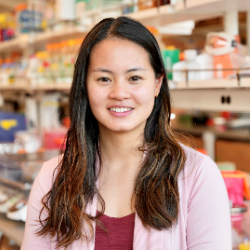 Erin Yang, PhD, Senior Scientist I, Generate Biomedicines
Senior Scientist I
Generate BiomedicinesErin Yang, Ph.D., is a Senior Scientist I in Model-Driven Design at Generate:Biomedicines, where she focuses on applying AI-enabled, structure-based methods to the de novo design and optimization of antibody and antibody-like protein therapeutic modalities. Her work spans multi-parameter optimization, specificity engineering, and geometry-driven assemblies, bridging platform capabilities with preclinical programs. Erin partners closely with experimental teams to translate product concepts into tractable design campaigns and to feed program learnings back into Generate’s computational design stack.
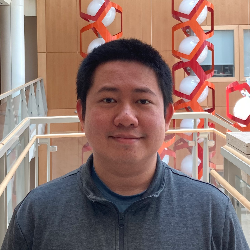 Zi Yao, PhD, Postdoctoral Scholar, Laboratory of Dr. Jim Wells, Department of Pharmaceutical Chemistry, University of California San Francisco
Postdoctoral Scholar
University of California San FranciscoZi is currently a postdoctoral fellow in the Wells lab at the University of California, San Francisco. His work focuses on engineering custom antibodies for protein degradation, cancer therapeutics, and chemical biology applications. Before joining the Wells lab, Zi received his Ph.D. in Chemistry at the University of California, Irvine, where he developed novel bioluminescent enzymes and substrates for in vivo imaging.
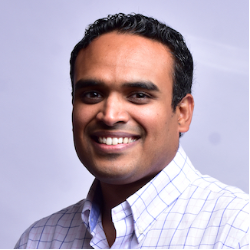 Ajay Yekkirala, PhD, Co-Founder & CSO, Superluminal Medicines, Inc.
Co-Founder & CSO
Superluminal MedicineAjay is an experienced serial entrepreneur who co-founded Superluminal Medicines at RA Capital and built a strong investor syndicate including NVIDIA, Eli Lilly, Insight Partners, Catalio, BVF, and Perceptive Advisors. As Chief Scientific Officer, he directs the AI/ML platform build and all pipeline R&D. Prior to Superluminal, Ajay founded Blue Therapeutics to develop non-addictive painkillers. He trained with Philip Portoghese at the University of Minnesota for his PhD and completed postdoctoral training with Clifford Woolf at Harvard Medical School. He has authored several papers published in high-impact, peer-reviewed journals and advised various committees at the NIH - including EPPIC-NET at NINDS and Medication Development Research Committee at NIDA.
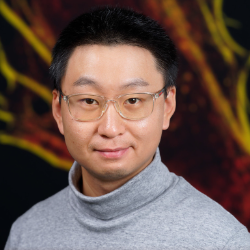 Jiaquan Yu, PhD, Research Scientist, Massachusetts Institute of Technology
Research Scientist
MIT - KIJason Yu is a research scientist at MIT’s Koch Institute. His research integrates tissue engineering, biophysics, and machine learning to advance cell-based therapies and study tumor-T cell immunology. Holding a PhD in Biomedical Engineering from UW-Madison, Jason has over a decade of cross-disciplinary publications spanning materials science, physics, and cell biology. He specializes in the precise ex vivo manipulation of physical and chemical microenvironments to uncover the mechanistic drivers of cell-cell interactions.
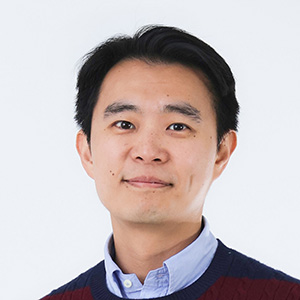 Johnny Yu, PhD, CSO & Co-Founder, Tahoe Therapeutics
CSO & Co-Founder
Tahoe TherapeuticsJohnny Yu, PhD, is Chief Scientific Officer and Co-Founder of Tahoe Therapeutics, where he leads a multidisciplinary team building AI-driven drug discovery platforms from the world's largest single-cell perturbation datasets. His team generated Tahoe-100M — 100+ million single-cell profiles across 50 cancer models and 1,100 drug perturbations — and developed Tahoe-x1, a 3-billion parameter foundation model for predicting cellular drug response. His team has established partnerships with Arc Institute, CZI Biohub, Alloy Therapeutics, and NVIDIA to advance work on frontier virtual cell models. The company has raised $45M to date.
Johnny earned his PhD in Biochemistry & Biophysics from UCSF, where his work on RNA-binding proteins in cancer metastasis was published in Cancer Discovery and contributed to discoveries in Nature Medicine and Nature Cancer. He is an NSF Graduate Research Fellow and previously held research roles at the Broad Institute of MIT & Harvard and Biogen.
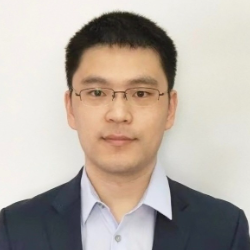 Gengyang Yuan, PhD, Director, Radioligand Therapies, Perceptive Inc.
Director
Perceptive IncI have over 13 years’ experience in radioligand research, with a broad and unique background in organic chemistry, radiochemistry, medicinal chemistry, oncology, and radioligand therapies. I have been serving as a key scientific leader in developing new radioligands for both imaging and therapeutic applications. This work ranges from preclinical ligand design, synthesis, and in vitro/ex vivo/in vivo characterization to the first-in-human and Phase I&II clinical evaluations. As a director in Perceptive, I am serving as a scientific lead and SME for a variety of preclinical projects with a focus on radioligand therapies. My responsivities include study protocol design, data analysis, method development, and technical guidance to project teams, ensuring quality results while meeting client goals.
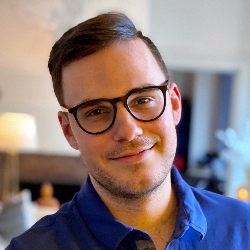 Trevor A. Zandi, PhD, (formerly Novartis), Associate Research Scientist, Craig Crews Lab, Yale University
Associate Research Scientist
Yale UniversityTrevor A. Zandi, PhD, is an Associate Research Scientist in the Professor Craig M. Crews Laboratory at Yale University where he is inventing the next-generation of therapeutic modalities in induced proximity. He completed a degree in computer science/bioinformatics at UC San Diego and earned a PhD in Molecular Biophysics within the lab of Professor Craig A. Townsend at Johns Hopkins University. He discovered and characterized novel molecular glues with advanced DNA-encoded library technology while a Postdoctoral Fellow at Novartis Biomedical Research and Visiting Scientist at the Broad Institute of Harvard and MIT, co-mentored by Professor Stuart L. Schreiber and Dr. Gregory A. Michaud. Dr. Zandi was previously a Senior Scientist I within the small molecular therapeutics group at Arena BioWorks.
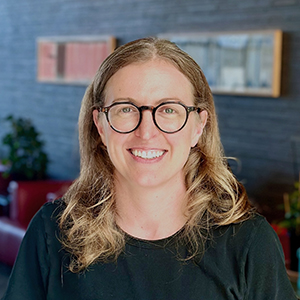 Balyn Zaro, PhD, Associate Professor, Pharmaceutical Chemistry, University of California San Francisco
Associate Professor
Univ of California San FranciscoDr. Zaro is an Associate Professor in the Department of Pharmaceutical Chemistry. She received a BS and PhD in Chemistry from the University of Southern California. As an NSF graduate research fellow, her thesis work involved the development of bio-orthogonal chemical reporters of protein glycosylation with Matthew Pratt. She went on to Ben Cravatt's lab at Scripps Research where she was an American Cancer Society post-doctoral fellow studying the mechanism of action of the immunomodulatory drug Tecfidera and developing methods to improve the selectivity of covalent small molecules. She gained additional training in innate immunity and hematopoiesis with Irv Weissman at Stanford School of Medicine. Dr. Zaro started her independent career in 2019 . Her laboratory leverages chemical biology tools to study innate immunity and to enable the development of next-generation covalent therapeutics. She is a Beckman Young Investigator, Keck Fellow, and Bowes Biomedical Investigator.
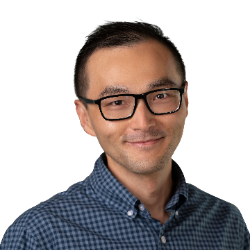 Yuan Zhang, PhD, Senior Principal Scientist, Pfizer Inc.
Senior Principal Scientist
Pfizer IncYuan Zhang, PhD, is a Senior Principal Scientist in the Medicine Design department at Pfizer. Yuan obtained his PhD from University of Utah under Professor Jon Rainier and conducted Postdoctoral research under Professor Timothy Jamison at MIT. Since joining Pfizer in 2016, Yuan has led medicinal chemistry campaigns in projects across multiple disease areas including neuroscience, cardiovascular, renal, and obesity.
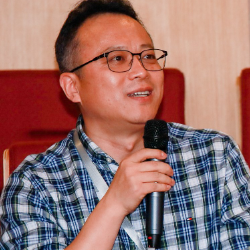 Hailong Zhang, PhD, CEO, Shanghai Yogar Therapeutics
CEO
Shanghai Yogar TherapeuticsDr. Hailong Zhang, Founder and CEO of Yogar Therapeutics; before Yogar, Dr. Zhang worked at Array biopharma. Inc. and Novartis, holding various management positions. Dr. Zhang has published more than 30 research articles in peer-reviewed journals, including Science and Nature. Dr. Zhang was involved in the discovery of many approved drugs such as BRAFTOVI/MEKTOVI(Pfizer), VITRAKVI (Eli Lilly), RETEVMO (Eli Lilly), GANOVO (Ascletis), KRAZATI(Mirati).
 Peichuan Zhang, Director, WuXi Biology, WuXi AppTec
Director
WuXi AppTecDr. Peichuan Zhang, trained as a molecular geneticist and cell biologist, has rich research experience with experimental models. He studied the mechanisms by which cells respond to stress conditions like ER stress and amino acid starvation, as well as their role in diseases including type 2 diabetes during his PhD study. Dr. Zhang received his postdoc training at UCSF, by conducting research on aging in nematode C. elegans, and continued to look for potential translational anti-aging route in the Alphabet company Calico Life Sciences. Since joining WuXi AppTec, Dr. Zhang has been responsible for supervising a team that provides in vitro assay services to support drug discovery.
 HongBo Zhang, CSO, Drug Discovery Svc, HitChem
CSO
HitChemHongbo has over 10 years of experience in drug discovery and project management at leading CROs and top biotech companies. He has successfully led the development of several small-molecule drug candidates into clinical trials. Since joining HitChem in 2019, he has been leading several early-stage small-molecule drug discovery and overseeing external technical consulting.
 Andrew Zhang, Director, Pharma/Biotech Market Segment, Promega Corp
Director, Pharma/Biotech Market Segment
Promega Corp
 Sunny Zhou, PhD, Professor, Chemistry & Chemical Biology, Northeastern University
Professor
Northeastern UniversityProfessor Zhou’s laboratory applies protein chemistry, analysis and engineering to biology and medicine. One program is “Hybrid Modality Engineering of Proteinsâ€â€”a platform to introduce non-canonical chemical moieties and/or scaffolds into peptides and proteins to confer novel functions otherwise unavailable, such as photomedicine. The second is to devise chemo-enzymatic methodologies to characterize protein modifications, such as crosslinking, isoaspartic acid formation (asparagine deamidation) and methylations. In collaboration with biologists and clinicians alike, we also investigate their biological effects, and moreover, as critical attributes in protein pharmaceuticals.
Over the past decade, Professor Zhou has been actively collaborating and consulting with biotech and pharm companies on biotherapeutics, enzymes and protein chemistry. These collaborations have led to the elucidation of product and process-related modifications (many of which were previously unknown). He also developed and now teaches a new advanced course entitled “Chemistry and Design of Protein Pharmaceuticals,†as well as workshops on antibody-drug conjugates (ADC), and training courses for scientists from industry, academia, and regulatory agencies in the US, China, and APEC economies.